


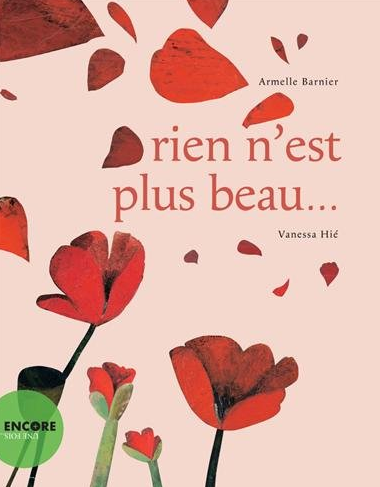
Poetry books for kids can do something remarkable: they make language feel like a game rather than a lesson. One charming picture book builds each double page around a single superlative — the most beautiful, the most frightening, the biggest, the smallest, the warmest, the coldest, the slowest — and illustrates every example with tender, joyful artwork.
Then comes the clever part. The words are shuffled and recombined into soft, funny poems, and children are invited to add their own lines and invent brand-new lists. It is a simple idea that opens a door to creativity, and it works just as well at the kitchen table as it does at bedtime.

Quick takeaways
- The book builds each spread around one superlative, then turns the list into a poem.
- Repetition lets children predict and join in quickly.
- Word play grows vocabulary without formal teaching.
- Invite your child to add one item, then invent a whole new list.
- Keep a word jar or notebook for favourite words.
- Five minutes a day is enough to build the habit.
How the book works: lists that become poems
Each spread of this picture book gathers images and words around one idea: everything that is the most beautiful, the most frightening, the biggest, the smallest, the warmest, the coldest, the slowest. The illustrations are gentle, poetic and cheerful, so even the scary pages stay playful rather than alarming.
Once the list is complete, the words are mixed together to create a tender, funny poem. In one extract, horrible witches, a nightmare in the dark, an angry dragon and a clattering ghost are all folded into a single line about a meeting of a dragon's evening nightmares. The result sounds silly, but it teaches something real: how a list becomes a poem through rhythm and surprise.
A structure children can copy
Because the pattern repeats, children quickly predict what comes next and start offering their own ideas. That repetition is the engine of the whole book, and it is why the format transfers so easily to children's vocabulary building at home.
Why word play matters for young readers
Playing with words is one of the easiest ways to grow a child's vocabulary without any formal teaching. Choosing superlatives forces children to reach for precise adjectives, and combining them into a poem asks them to listen for sound and rhythm. It is creative writing disguised as a game.
The book also invites imagination rather than correctness. There are no wrong answers when you are deciding what is the funniest or the softest thing in the world, which makes it a comfortable entry point for children who are shy about writing. Pair it with rainy day activities and you have an afternoon covered. If you are also dog training with children at home, word games make a calm indoor alternative.
From listening to inventing
Start by reading a spread aloud, then pause and ask your child to add one item to the list. Later, let them choose a new superlative and build a list from scratch. For younger siblings, simple baby stimulation games with sounds and rhymes keep them involved while the older child writes. Busy parents can also request schedule changes to carve out reading time.
| Superlative | Prompt to try | What it practises |
|---|---|---|
| The funniest | A clown, a camel, snow in summer | Silly imagery and rhythm |
| The scariest | Witches, ghosts, a dark room | Naming feelings safely |
| The softest | Pillows, kittens, fresh bread | Precise adjectives |
| The slowest | Snails, traffic, Sunday morning | Comparison and detail |
| The most beautiful | Sunsets, a favourite song | Descriptive language |
Try it yourself: a family word game
The book's own example shows how little you need to begin. A short poem about what is funniest lists a camel without humps, a clown who falls over, and snow in summer — then merges them into one absurd line about a falling camel in summer snow. Read it aloud and watch how quickly children want to add their own entry.
At home, pick a superlative together and take turns adding one idea each. Write the list down, read it back, and then let your child choose two or three items to combine into a final line. Keep the tone light and silly; the point is pleasure, not polish.
Keep a family word jar
A small notebook or jar of favourite words works well alongside this. Whenever a child hears a word they like, it goes in, and later you can pull three out and ask for a poem. It is a lovely companion to improving family life through shared, screen-free time.
Building a poetry habit at home
You do not need a shelf full of poetry to make this work. One well-chosen album, read repeatedly, does more than ten books skimmed once. Keep it somewhere reachable and let your child return to favourite spreads whenever the mood strikes.
Try linking the game to the seasons or to family events: what is the most exciting thing about a first trip, the strangest thing about a rainy afternoon, the coziest thing about winter? These prompts connect language to real experience, which is what makes new words stick.
Making it part of the routine
Five minutes after dinner is enough. Read one spread, invent one line, close the book. For families preparing for outings, baby's first outings can even become a list of what is most exciting, most worrying and most fun. The habit matters more than the length of the session.

Choosing books that invite creativity
Look for picture books where the text leaves gaps for the reader to fill. Rhyme, repetition and open questions are all signs that a book wants a response rather than passive listening. Illustrations that reward close looking help too, because children linger and comment.
It also helps to mix poetry with other kinds of playful reading. A shelf that includes word games, riddles and picture books alongside independent bookstores finds gives children more chances to discover what they love. Ask a bookseller for titles built around wordplay; they usually know exactly what to recommend. For families who enjoy building and storytelling together, a How I Met Your Mother LEGO can spark the same kind of imaginative play.
Read it, then play it
The best test of a book like this is simple: does your child want to make something after reading it? If the answer is yes, you have found a keeper, and the poems you write together become part of the family vocabulary. Quiet reading moments often pair well with everyday care routines, and these pacifier questions answered can help.

My hands-on take
I tried this with my own children after dinner, mostly because I wanted something calmer than screens before bed. The first attempt fell flat — my suggestion of "the most beautiful" was met with blank stares — so I switched to "the most disgusting thing in the world" and suddenly everyone had opinions. We ended up with a list involving soggy cereal and a bin, and a final line that made them laugh for five minutes.
What surprised me was how quickly they started reaching for better words. One of them paused, rejected "yucky" and came back with "slimy", which felt like a small victory. We now keep a page in a notebook for these lists, and some evenings we only manage one. That is enough. The game has become a small ritual, and the poems are terrible in the best possible way.
Frequently asked questions
What age is this book suitable for?
The simple repeated structure suits preschoolers and early readers, while older children can use it as a model for their own poems. Read it aloud first and let the child lead the wordplay.
Do we need the book to play the game?
No. The format works with any superlative you choose. The book simply provides a rich, illustrated model that makes it easier for children to see how a list becomes a poem.
How do I help a child who says they can't write poems?
Take dictation. Let them say the ideas aloud while you write, then read the result back. Hearing their own words in poem form usually convinces them it counts.
Product Reviews
 Best Toys for Dogs With High Prey Drive |
Best Outdoor Toys for 3-4 Year Olds |
Best Outdoor Toys for 6 Year Olds |
Best Harness for Poodle |
Best LEGO Sets for Adults |
Best Travel Toys for 4 Year Olds on Airplane |
Best Toy Stores in Washington DC |
Best Potty Training Toys |
Best Toys for Tripod Dogs |
Maillot equipe de france







