


Quick takeaways
- Frustration is not the damage; the inability to repair it is.
- Anger is a repairing emotion, not violence, when it is welcomed.
- Blocked emotions can show up as physical symptoms or tension.
- Adults often forbid feelings to avoid their own repressed pain.
- "It's for your own good" blurs a child's sense of self.
- Demanded gratitude hides a wound rather than healing it.
Step 1: The Unheard Wound and the Anger It Creates
A wound that goes unheard and feels unjust produces rage, fear, suffering and disgust. Anger has a repairing function: it restores our sense of identity and integrity. Anger is not violence. It is an emotional movement that lasts only a few minutes when it is welcomed — "you are allowed to be angry," "that's true, you are angry," "it's normal to be angry," "it's unfair and it makes you angry," "crying brings relief."
A blow, a criticism, an injustice, a humiliation leave marks on identity. They dent the child, and if the child cannot repair the damage by expressing anger, the wound stays and the dent remains. A certain dose of frustration is structuring and lets a child meet the resistance of reality. Welcoming emotions does not mean granting every wish; it means accepting the anger that follows a frustration. To heal, a child needs an adult who hears the experience and accepts the fear, terror, rage, pain and anger. When expression is accompanied — crying, hitting a cushion, shouting — the child heals.

When emotions stay trapped in the body
If all emotions cannot come out, they may remain as tension: physical symptoms such as eczema, nervous tics or bitten nails, or a weaker sense of identity. Sleep and daily rhythms matter here too, as with childhood fever care and the routines described in kindergarten daily life.
Step 2: When Anger Is Forbidden or Unheard
Adults refuse this repair for complex and multiple reasons. The first is emotional ignorance: many people never learned what a primary emotion is, how to recognize it, what it is for, or how to welcome it. The second is the refusal to see children suffer: to avoid the pain, tears are forbidden, and the child suffers alone and in silence.
The third is the adult's own unconscious, repressed wounds. The intention is rarely to hurt a child; it is to protect ourselves from the emergence of pain tied to our own unheard wound. Listening to our children's emotions would force us to hear ours and to wake repressed feelings in full intensity. A fourth cause is our own emotions: unmanageable guilt, a sense of incompetence, fear of being judged. Finally, society and cultural prejudice add their weight: crying is weakness, fear is for babies, anger is bad.
Why this matters day to day
These blocks show up in ordinary moments — at meals, at bedtime, in sibling conflict — and they shape how a child learns to handle frustration, much as shared routines do in the family book or sitting at the table.

| Stage | What happens | What helps |
|---|---|---|
| Wound | Criticism, blow, humiliation | Stay close, name the injustice |
| Anger | Rage rises | Accept it without taking it personally |
| Blocked | Feelings are forbidden | Look at your own triggers |
| Justification | "For your own good" | Admit the impact honestly |
| Gratitude | Debt is imposed | Allow spontaneous thanks |
| Repair | Adult returns and apologizes | Consistency over perfection |
Step 3: "It's for Your Own Good"
To avoid feeling guilty about hurting a child, the adult builds justifications. The adult reinforces the relevance of the educational methods and becomes convinced that it is for the child's good. The problem with this reasoning is that the child grows up without self-awareness. Not only is the child not allowed to rebel or repair, but the child must consider that what hurts is actually good. The child's reference points begin to blur.
This is where a parent's own regulation matters. Naming your frustration out loud, stepping away for a moment, breathing before responding — these small habits protect the child from carrying an adult's unprocessed tension. Practical supports help too: knowing how to handle a rough day, as in back contractures relief, or feeding the body well with iron rich foods so that irritability is not mistaken for misbehavior.
Step 4: The Duty of Gratitude
Some children are raised with the idea that they owe a debt for the education they received. Yet an absence of spontaneous gratitude points to a wound, a lack, a pain that is worth healing — rather than covering it with a false gratitude demanded by duty, which requires denying the very emotions that form the base of identity awareness.
"You owe me gratitude for everything I did for you!" — was it really so hard, so unpleasant? Through this demand, parents reveal how much their own giving was weighed down by expectation. A child who feels free to say "thank you" spontaneously is a child whose emotions were allowed to exist. Play and shared projects are useful outlets here, whether it is outdoor toys or a simple Father's Day craft made together.
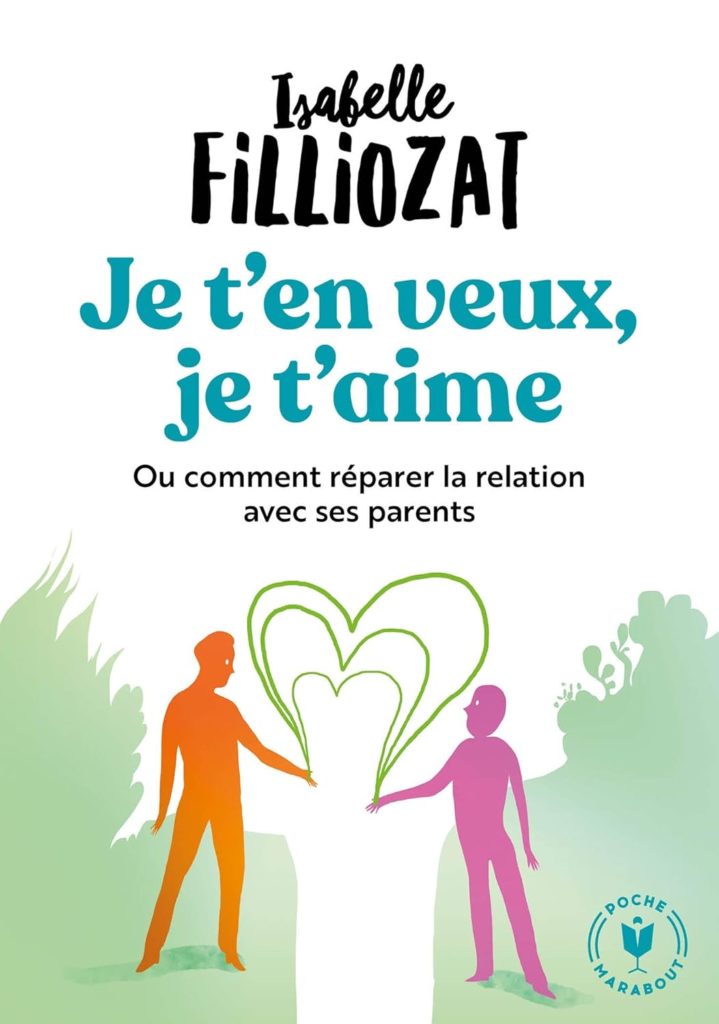
Step 5: From Wound to Symptom
When the wound is never repaired, the body and behavior start to carry it. The child may become anxious, withdrawn, aggressive, or physically tense. The symptom is not the problem itself; it is a signal that something earlier was never heard. Reading the signal correctly is the first step toward repair.
This is also where parents often look for help in the wrong places, buying distractions instead of presence. A calmer home, predictable rhythms and time outdoors do more than a new toy, though a good Montessori climbing toy or a set of kitten toys can support play that releases tension. What matters is the adult staying close and curious rather than corrective.
Step 6: Repairing the Wound Together
Repair begins with the adult's own work. When we recognize our triggers, we can respond to a child's anger without taking it as a personal accusation. We can say, "I see you are angry, and that is allowed," without giving in on every limit. The limit stays; the emotion is welcomed.
Repair also means revisiting the moments we handled badly. A short, honest "I shouted, and that was not fair to you" does more for a child than a perfect record. Children learn regulation by watching an adult come back, apologize and try again. This is the same patient, practical spirit found in Tips for children and in Non-meat burgers — small, repeated adjustments rather than grand gestures.

Step 7: A Solid, Whole Identity
The goal is not a child who never suffers. It is a child who can feel, express and recover. When emotions are heard and expression is accompanied, the child builds an identity that is solid and fulfilled rather than dented and defended. The wound becomes a story the child can tell, not a symptom the child must carry.
That takes time, and it takes an adult willing to look at their own history. The reward is a relationship where the child does not have to choose between being loved and being honest. For families navigating big feelings, support around My partner or Carlos the fourteen-year-old boy admitted can be part of the same conversation about listening well.
My hands-on take
I remember the first time I said "you're allowed to be angry" to my own child instead of "calm down." Nothing dramatic happened. He cried, I stayed, and ten minutes later he was playing again. What struck me was how much energy I had been spending trying to stop the feeling rather than accompany it.
Since then I have tried to notice my own flinch when he raises his voice. That flinch is usually about me, not him. Naming it silently helps me stay in the room. I am not consistent, and some days I still shut things down. But coming back afterward, saying "I got that wrong," has done more for our relationship than any perfect afternoon.
Frequently asked questions
Does welcoming anger mean giving in to everything?
No. You can hold the limit and still accept the emotion. The child can be angry about a rule while the rule stays in place.
How do I know if my child's symptom is emotional?
A symptom is a signal, not a diagnosis. Look at what happened recently and whether the child was allowed to express fear, anger or sadness about it.
What if I was raised without emotional listening?
That is common, and it is not a failure. Start by noticing your own reactions, then respond to your child's feelings without rushing to fix or silence them.
Can repair happen after mistakes?
Yes. A short, honest apology after shouting teaches a child that relationships can be mended, which is itself a healing experience.
Product Reviews
 Best Toys for Dogs With High Prey Drive |
Best Outdoor Toys for 3-4 Year Olds |
Best Outdoor Toys for 6 Year Olds |
Best Harness for Poodle |
Best LEGO Sets for Adults |
Best Travel Toys for 4 Year Olds on Airplane |
Best Toy Stores in Washington DC |
Best Potty Training Toys |
Best Toys for Tripod Dogs |
Maillot equipe de france







