


A calm down bottle is one of the simplest tools you can make with a child to explain what happens inside a busy mind. The idea starts with a plain jar of water and a spoonful of sand, and it ends with a homemade object your child can shake whenever big feelings take over.
Children often cannot describe agitation, but they can see it. When the water turns cloudy, the metaphor does the explaining for you. Then, as the grains drift down and the water clears, the lesson lands without a lecture.

This article walks through the demonstration step by step, connects it to breathing, and shows you how to build a lasting calm down bottle together.
Quick takeaways
- A clear jar of water shows children what a calm mind looks like before anything is added.
- Sand or salt stirred into the water makes the "cloudy mind" visible and easy to name.
- Watching the grains settle teaches that emotions pass if we let them.
- Slow breathing is the practical bridge between the metaphor and real calm.
- A homemade calm down bottle turns the lesson into a tool a child can hold.
- The more floating objects you add, the longer the calming effect lasts.
Start With a Jar of Clear Water
Fill a clear jar or plastic bottle with water and ask your child what they notice. Guide them toward the key observation: the water is transparent, and you can see straight through it. This clear state is the reference point for everything that follows, so let them look closely before you change anything.
If your child enjoys hands-on discovery, this is the same curiosity that makes cause and effect toys so engaging, because a visible result follows every action. You might also compare the clear water to a calm moment after a good nap or a relaxed bath, which is a familiar reference for many little ones.
Why the Clear Water Matters
Naming the clear state first gives children something to return to. Later, when emotions rise, you can simply ask, "Remember the clear water?" and the image does the work.
Add Sand and Watch the Water Cloud
Stir in two generous spoonfuls of sand, salt or baking soda and mix well. Ask your child what they see now: the water is cloudy, blurry, and you can no longer see through the jar. The suspended material has troubled the water, just as a rush of thoughts and emotions can trouble the mind.
This visual works well alongside other everyday teaching moments, much like the small revelations in pacifier questions or the surprises that come with imaginary friend play, where a child's inner world suddenly becomes visible. Keep the tone curious rather than corrective.
Let the Grains Settle
Wait a few minutes and invite your child to look again. As the material sinks to the bottom, the water grows less cloudy and slowly becomes transparent once more. Point out that you did not have to do anything dramatic; the settling happened on its own.

| Liquid option | How to mix it | What to expect |
|---|---|---|
| Hot water and glycerine | 3/4 hot water, 1/4 glycerine | Slow, drifting fall of objects |
| Glucose syrup | Use as the thick base | Heavy, sluggish movement |
| Hair gel | Half bottle of gel, 1 tbsp hot water, shake well | Thick, gluey suspension |
| Plain water | Fill and seal | Fast fall, short calming effect |
| Objects to add | Glitter, stars, hearts, elastic bands | Test first what floats and sinks |
Connect the Metaphor to Breathing
Now draw the parallel out loud. Like the grains in the water, our thoughts and emotions can cloud the mind, and we cannot always see clearly through them. The trick is to focus on the breath, letting emotions pass through like travellers rather than grabbing hold of them.
The more your child practises this connection to the breath, the calmer the mind becomes and the clearer it gets again. Emphasise deep breathing so anger does not take over and lead to a harsh word or gesture. You can also encourage them to picture the grains sinking gently whenever irritation or fear creeps in, a skill that pairs naturally with the patience behind umbilical cord benefits.
Make It a Shared Practice
Breathe alongside your child rather than instructing from above. A few slow breaths together, right after the jar demonstration, anchors the lesson in the body.
Build a Calm Down Bottle Together
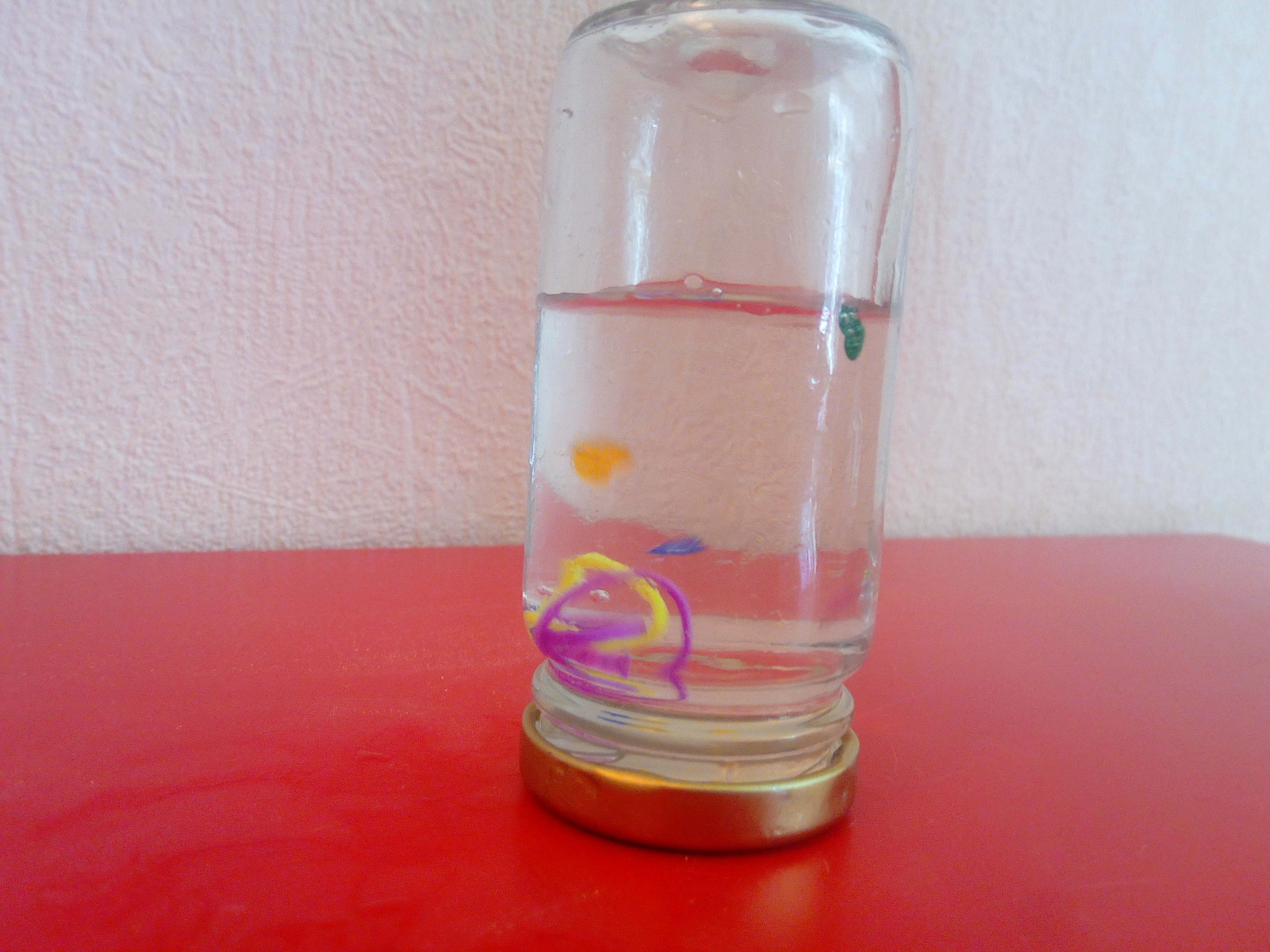
To carry the metaphor further, make a calm down bottle. It works on the same principle as a snow globe you turn upside down so the flakes fall across the scene inside. Fill a clear plastic bottle with a thick liquid and small objects that float, then seal it tightly.
For the liquid, you can use three-quarters hot water and one-quarter glycerine, glucose syrup, or a bottle half filled with hair gel plus a tablespoon of hot water, shaken vigorously. Add glitter, stars, hearts or small elastic bands, testing first what floats and what sinks. The more you add, the longer and more effective the calming effect lasts. This kind of making-and-testing suits children who already enjoy fine motor skill toys, and it is a lovely quiet activity for a rainy afternoon, much like settling in with fun pajamas and a slow craft.
How to Use the Bottle in Real Moments
Tell your child that the floating objects are like thoughts and emotions. When they need a strategy to return to calm, they can turn the bottle over and follow the little pieces with their eyes as they drift back down to the bottom.
Keep the bottle somewhere reachable so it becomes a normal part of the day rather than a punishment tool. Some families pair it with a cozy corner, a cushion and a few quiet minutes. If your child is very young, watch that the cap stays secure, and treat it with the same care you would give any small object, the way you would check teether mold or inspect a gross psychomotor skills toy for safety before handing it over.
Let Them Lead
Invite your child to shake the bottle themselves when they feel ready. Ownership matters more than perfect technique.

My hands-on take
I first tried the jar demonstration on a day when my own patience was thin, and I was surprised by how much it settled me too. We stirred the sand, watched it swirl, and then just sat there waiting for the water to clear. Nobody said much. By the time the last grains dropped, the argument that started the whole thing had lost its grip.
The calm down bottle came a few weeks later, and ours is far from perfect. The glitter clumps a little and the cap needs a firm twist, but my child reaches for it without being asked, which is the whole point. What I have learned is to keep my own voice slow while we watch the pieces fall, because the bottle only works if the adult beside it is calm as well.
Frequently asked questions
What age is this activity suitable for?
The jar demonstration works well with children old enough to answer simple questions about what they see, roughly preschool age and up. The calm down bottle itself can be offered earlier as a soothing visual, with adult supervision.
What can I use instead of glycerine?
Glucose syrup or hair gel mixed with a spoonful of hot water both create a thick liquid that slows the falling objects. Plain water works too, but the effect is much quicker and less calming.
How long does the calming effect last?
It depends on how many objects you add and how thick the liquid is. More objects and a thicker base mean a longer, slower fall, which gives a child more time to watch and breathe.
Can my child help make the bottle?
Yes, and it is worth it. Let them choose the objects and test which ones float, then help with the mixing. The shared making makes the finished bottle feel like theirs.
Product Reviews
 Best Toys for Dogs With High Prey Drive |
Best Outdoor Toys for 3-4 Year Olds |
Best Outdoor Toys for 6 Year Olds |
Best Harness for Poodle |
Best LEGO Sets for Adults |
Best Travel Toys for 4 Year Olds on Airplane |
Best Toy Stores in Washington DC |
Best Potty Training Toys |
Best Toys for Tripod Dogs |
Maillot equipe de france







