


Wellness movements for parents and children turn an ordinary afternoon into a moment of calm sharing. Between yoga, massage, breathing and rocking, you do not need any equipment to slow down together.
These three practices are short, gentle and easy to repeat at home. Each one invites touch, eye contact and laughter, which help a child relax and feel secure.

Below you will find a reflex-point back massage, a family laughter yoga session and the simple rocking chair exercise, with clear steps you can try today.
Quick takeaways
- Massage only with your child's consent and stop when they ask
- Never press directly on the spine; work on either side of it
- Laughter yoga releases the diaphragm and triggers endorphins
- Rocking builds body balance, which supports emotional balance
- Short, repeated rituals beat long, occasional sessions
- Let your child lead the pace and choose the movement
A Gentle Back Massage to Share Well-Being
A friendly massage lets the child freely release emotions: muscle fibres relax, lymph flows more easily and the body gives in to comfort. A back massage supports general recovery, but you should never press directly on the spine itself.
Always massage a child only with their agreement and respect their wishes, stopping the moment they ask you to. This respectful approach echoes the idea that children's gaze and consent matter in every caring gesture.
Following the Reflex Points
Place your thumbs on either side of the spine and travel from the sacrum up to the shoulders, finishing by gently massaging the neck with one palm. With oiled fingers, press both sides of the spine at once, then glide both palms toward the ribs, like the arms in a breaststroke. Move from the top of the spine down, underline each shoulder blade with your thumbs, then reverse toward the neck.
Finish with one palm low and one high on opposite sides, moving back and forth like a cat scratching a mat. For families who also enjoy building toys together, these quiet rituals pair well with LEGO theme play afterwards.
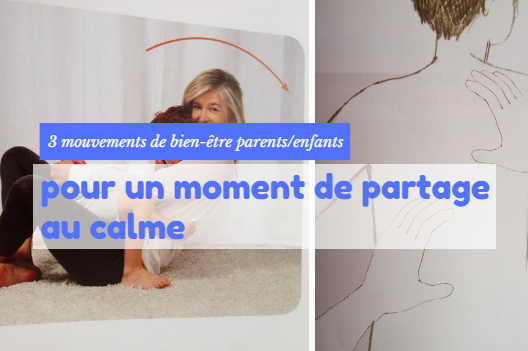
Laughter Yoga: Laughing Together as a Family
Laughter creates a jerky breathing pattern that releases the diaphragm, massages the stomach and intestines and tones the heart. It also triggers the release of endorphins, the hormones that produce a feeling of well-being.
Explain to children that at first you have to exaggerate and “force” a laugh so the face can relax. Sitting in a circle so everyone can look into each other's eyes, breathe in together and laugh at the same time while deliberately pulling faces and making sounds.
The Sound Game
Try the monkey with “Hi hi hi”, the amazed person with “Oh oh oh”, the one surprising a secret with “Hé hé hé”, the simpleton with “Ououou”, the sly one with “Ni ni ni” and the witch with “Yék yék yék”. Then make an “ééééé” sound from the back of the throat, lowering the pitch toward the navel while gently pushing on the diaphragm. Move your eyes around the circle to catch each other's gaze and drift into a fit of giggles.
Laughter is a lovely first step, and calm routines such as toys for newborns help younger siblings join the mood.

| Movement | Best age range | Main benefit | What you need |
|---|---|---|---|
| Back massage | Baby to pre-teen | Relaxation and recovery | Oil, quiet space |
| Laughter yoga | Around 4 years and up | Releases diaphragm, endorphins | A circle, eye contact |
| Rocking chair | Any age | Body balance and bonding | A rocking chair or arms |
| Breathing pause | Any age | Calms the nervous system | A calm corner |
| Sound game | Around 4 years and up | Relaxes the face | Voices only |
The Rocking Chair: Why Rocking Matters at Any Age
Emotional balance needs another balance to build on: that of the body. Marie Claude Maisonneuve, a graduate of the Chester Institute of Neuro Psycho Physiology, writes that parents who keep rocking a child “past the age” are right, not wrong.
She explains that only when a child has been rocked enough can they eventually do without it and gain true autonomy. The same logic applies to the sucking reflex and to the vestibular system: enough stimulation brings security, and constraint is never the answer.
Back-and-Forth Movement
Rocking chair exercise supports physical and emotional development through forward-back and swinging movements, and it strengthens the parent-child bond. A forced child never truly grows up, she notes; only when body and heart have received what they need can the nervous system heal its secret wounds.
If you are preparing a calm space for a baby, our guide to tummy time toys and the teething toys reviews can help you choose gentle, age-appropriate items.

Setting Up a Calm Sharing Routine at Home
These three movements work best when repeated at the same time of day, so the child learns to expect the calm. Choose a quiet corner, dim the lights and put screens away before you begin.
Keep sessions short and follow your child's mood rather than a strict plan. If they refuse the massage or the laughter game, offer the rocking chair instead, and let them lead.
Parents who model slow breathing and soft voices make the ritual easier, and small comforts like protecting little feet from the cold with children's feet care keep the moment cosy.

Adapting Each Movement to Your Child's Age
With babies, keep the massage very light and watch for signs of overstimulation. Rocking is often the most natural entry point, and our toys for 9 month guide shows how movement play fits daily routines.
With older children, laughter yoga becomes a game they can lead themselves, inventing new sounds and faces. The back massage can become a trade, with the child practising on a parent's shoulders.
Teenagers may prefer a short breathing pause to a massage, so stay flexible. For families thinking about the wider picture of raising calm, confident children, the successful education keys offer useful perspective.
My hands-on take
In our home, the back massage became the easiest way to end a busy day. I keep a small bottle of oil nearby and start with the thumbs on either side of the spine, just as described, while my child tells me if the pressure is too much. Some evenings they refuse, and I have learned to simply offer the rocking chair instead.
The laughter yoga session surprised me most. The first time, we all felt a little silly making the monkey sound, but the forced faces quickly turned into real giggles. I now use it whenever the mood in the house feels tense, and it rarely fails to lighten things up.
Frequently asked questions
Can I massage my child's back every day?
Yes, a gentle back massage can be part of a daily routine as long as your child agrees. Keep the pressure light, avoid the spine itself and stop whenever they ask.
What if my child will not laugh during laughter yoga?
That is normal at first, and the point is to exaggerate rather than feel genuinely amused. Model the sounds and faces yourself, and let the real laughter come on its own.
Is rocking a child bad for their independence?
According to the specialist quoted in the source, the opposite is true. A child who has been rocked enough can eventually do without it and build genuine autonomy.
How long should a calm sharing session last?
Keep it short, especially with young children, and follow their mood. A few minutes of massage or laughter is enough to create the calming effect.
Product Reviews
 Best Toys for Dogs With High Prey Drive |
Best Outdoor Toys for 3-4 Year Olds |
Best Outdoor Toys for 6 Year Olds |
Best Harness for Poodle |
Best LEGO Sets for Adults |
Best Travel Toys for 4 Year Olds on Airplane |
Best Toy Stores in Washington DC |
Best Potty Training Toys |
Best Toys for Tripod Dogs |
Maillot equipe de france







