


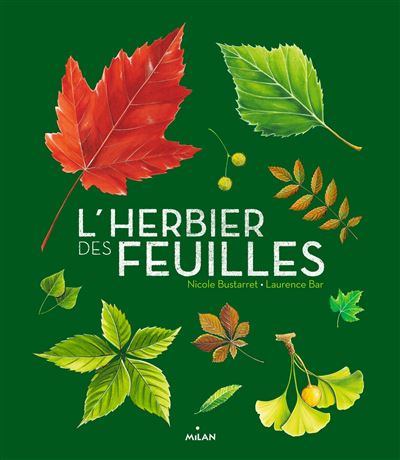
A leaf herbarium is one of the simplest ways to turn a family walk into a project that lasts for months. This particular book is a sturdy, well-documented guide that teaches children how to identify trees, gather their leaves, dry them properly and press them into a collection they build themselves.
Along the way it slips in real botany: why the ginkgo was already around in the age of the dinosaurs, how many leaves make up a cypress, and how willow bark was once used to make aspirin. It is part field guide, part activity book, and it works just as well on a rainy afternoon at the kitchen table.

Quick takeaways
- Thick, rigid cover makes it genuinely usable outdoors
- Clear method for picking, drying and gluing leaves
- One tree per spread, with a blank page to fill
- Fact tables cover height, fruit, season and lifespan
- 31 common species plus 18 extra drawings and blank pages
- Designed to be added to across the seasons
What Makes This Herbarium Book Stand Out
The first thing you notice is the build. The cover is thick and rigid, which matters more than it sounds: a book that goes into a backpack and comes out in a hedge needs to survive the trip. It is a handsome object, but it is designed to be used rather than admired from a shelf.
The opening pages are pure method. They explain how to pick leaves (skip the wet ones), what to carry them in (small plastic bags or envelopes work well), how to dry them, and how to glue them down once they are completely dry. That last warning is repeated for good reason, and it is the single most useful tip in the book.
Observation before collection
Before any gluing happens, there are pages devoted to looking closely. How are the leaves attached to the stem? Can you see the veins where the sap travels? Is the leaf simple or compound? A short glossary covers the words children will meet again and again, including evergreen, deciduous and photosynthesis.

How the Pages Are Organized
Each double-page spread introduces one tree or plant and pairs it with a blank page to fill. On the right-hand side you get a short description of the tree, the etymology of its name, the region it comes from, and the shape of its leaves. At the bottom, a summary table lists the key facts: flowering season, fruit names, height and lifespan.
That table is quietly the best part. Children love comparing lifespans, and the numbers are genuinely startling. An oak can live eight times longer than a human being, and an olive tree can reach two thousand years. Expect a long conversation about which tree wins, and whether an alder outlives a weeping willow.
There is a small box at the foot of each page inviting the child to note the date and place of collection, plus a line for a comment if they want one. Kids who like keeping records will take to this immediately, in the same spirit as the sorting habits behind LEGO sorting projects. The same careful labeling helps when kids build custom LEGO MOCs from their own designs.

| Section | What the child does | What they learn |
|---|---|---|
| Opening pages | Reads the method, prepares bags and paper | How to collect and dry without damage |
| Observation pages | Looks at veins, stems and leaf shape | Simple versus compound leaves |
| Glossary | Matches words to what they have seen | Evergreen, deciduous, photosynthesis |
| Tree spreads | Identifies, dries, glues and labels | Species, origin, etymology, lifespan |
| Fact table | Compares trees with each other | Height, fruit, flowering season, age |
| Blank pages | Chooses their own specimens | Independent collecting and recording |
What Is Inside the Collection
The book presents thirty-one leaves from common trees and plants of European regions, among them the beech, laurel, yew, maple and ivy. A further eighteen species are drawn at the end for anyone who wants to go further, including box, raspberry, walnut and wild cherry. Around ten blank pages are left for whatever the child finds and wants to keep.
This is where the book becomes a long-term project rather than a one-off craft. You can add to it season by season: a leaf gathered in autumn, another picked in spring, and the collection slowly becomes a record of the year. For families who like structured activities, it pairs naturally with the kind of patient, step-by-step making you find in a simple recipe or a quiet afternoon of foam block building.
Children who need a physical, hands-on outlet tend to stay engaged with this far longer than with a screen-based nature app. The appeal is the same one that makes fidget toys work for restless hands: the activity gives the fingers something real to do while the mind quietly absorbs the information.

Getting the Leaves Home in Good Shape
Collecting is half the project, and a little planning saves a lot of disappointment. Take leaves that are dry and intact, avoid the ones already curling at the edges, and carry them flat rather than crumpled in a pocket. Envelopes are gentler than bags for delicate specimens.
Drying takes patience. Press the leaves between sheets of absorbent paper under a heavy book, and give them time, because a leaf that is even slightly damp will go mouldy inside the herbarium and stain the page. Once dry, they can be glued or taped, and older children may want to draw the leaf as well as press it.
Making it a family routine
The best results come from short, regular outings rather than one big expedition. A walk to school, a park bench, a single tree watched across the seasons, all of it counts. Families juggling several children at once will recognise the value of a low-prep activity like this, much like the small systems that keep twins organized without anyone losing their temper.

Why It Works for Curious Kids
There is a particular kind of child who never tires of observing nature, and this book is aimed squarely at them. It rewards attention rather than speed. The child who asks which tree lives longest, or why the willow is connected to medicine, will find something to chase on nearly every page.
It also builds vocabulary without ever feeling like a lesson. Terms like deciduous and evergreen stop being abstract once a child has pressed examples of both into the same book. That gentle, interest-led learning is close to what many parents hope for when they choose toys and books that leave room for children's gaze and their own questions, much like the patience needed when choosing contraceptives after childbirth.
Older siblings can read the descriptions aloud to younger ones, and the blank pages mean a five-year-old and a ten-year-old can work side by side at their own level. It makes a calm, absorbing gift for a birthday or a school holiday, and it sits comfortably alongside the kind of open-ended play toys for 3 year olds are designed to encourage.


My hands-on take
I have pressed leaves with children before, and the mistake I made the first time was rushing the drying. We glued a few specimens while they still felt cool and flexible, and within a week the pages had dark patches that never came out. Now I keep a stack of newspaper and a heavy book by the door, and leaves go straight in when we get home, before anyone loses interest.
What I like about this format is that it gives the walk a purpose without turning it into a lesson. My approach is to let the child choose the tree, even if it is the same one every time, and to read only the fact table aloud if attention is short. The blank pages at the back are the ones that get used most, because those leaves belong entirely to the child.
Frequently asked questions
What age is this herbarium suitable for?
It works best for roughly six to ten year olds, with younger children helping an adult and older ones reading the descriptions themselves. The blank pages let siblings of different ages work at their own level.
Do the leaves have to be completely dry before gluing?
Yes, and the book says so clearly. A damp leaf will mould and stain the page, so press specimens between absorbent paper under a heavy book and give them proper time before sticking anything down.
Can the collection be built over more than one year?
That is one of its strengths. You can add a leaf in autumn and another in spring, and the herbarium gradually becomes a record of the seasons rather than a single afternoon's craft.
Is it a field guide or an activity book?
Both. Each spread gives real botanical information about one tree and then hands the child a page to complete, so reading and doing stay tied together.
Product Reviews
 Best Toys for Dogs With High Prey Drive |
Best Outdoor Toys for 3-4 Year Olds |
Best Outdoor Toys for 6 Year Olds |
Best Harness for Poodle |
Best LEGO Sets for Adults |
Best Travel Toys for 4 Year Olds on Airplane |
Best Toy Stores in Washington DC |
Best Potty Training Toys |
Best Toys for Tripod Dogs |
Maillot equipe de france







