


The continuum concept, as described by Jean Liedloff, argues that a baby deprived of enough carrying and physical contact is cut off from his deepest nature. He will then spend his life searching for the feeling of completeness he should have felt while being held and cuddled as an infant.
Liedloff defines the human continuum as a chain of experiences matching our species' expectations and tendencies, in an environment that follows the same logic in which those expectations were formed. Following our continuum means staying in continuity: answering the deep needs of our human condition without breaking with what biology made of us.

She insists it is not up to our reasoning to decide how to behave with a baby. We had extremely precise instincts, expert in every detail of child-rearing, long before we looked like Homo Sapiens, yet we have arranged to disregard that knowledge.
Quick takeaways
- The continuum concept says babies expect continuous contact, movement and sensory richness.
- Liedloff argues instincts, not reasoning, should guide how we handle a baby.
- Carrying a baby exposes him to voices, textures, temperatures and rhythms all day.
- Prams, cots and static rooms offer far less stimulation than a living body.
- The in-arms phase, from birth to crawling, is when most of this learning happens.
- The theory is a direction to aim for, not a standard that punishes difficult starts.
What the Continuum Concept Says About Babies
In so-called developed societies, parents trust neither their innate skills nor the perfectly clear reasons that push a baby to send signals. The baby becomes a kind of enemy parents must defeat. Yet Liedloff affirms that nature would not have a baby scream in agony if that were not precisely the case: the hour is as serious as it looks.
This view sits close to other gentle approaches to early parenting, such as the debate over whether it is good to use a pacifier to settle a baby, or how parents handle affection and boundaries, as in these greeting without kisses alternatives. The core idea stays the same: read the baby's signals rather than fight them.
Sensory Experiences After Birth
What a baby meets and experiences right after birth shapes his perception of life. Liedloff writes that the baby was not prepared by nature, through his continuum, to find himself in nothingness, in "non-life", lost in a basket full of fabric or a plastic box without movement, sound, smell or any sensation of life.
Under skin exposed for the first time, every nerve ending needs a vital, expected embrace. The baby's whole being indicates that his place is in his mother's or father's arms, skin to skin. That place in the crook of a parent's arm is the expected place, instinctively known as his own.
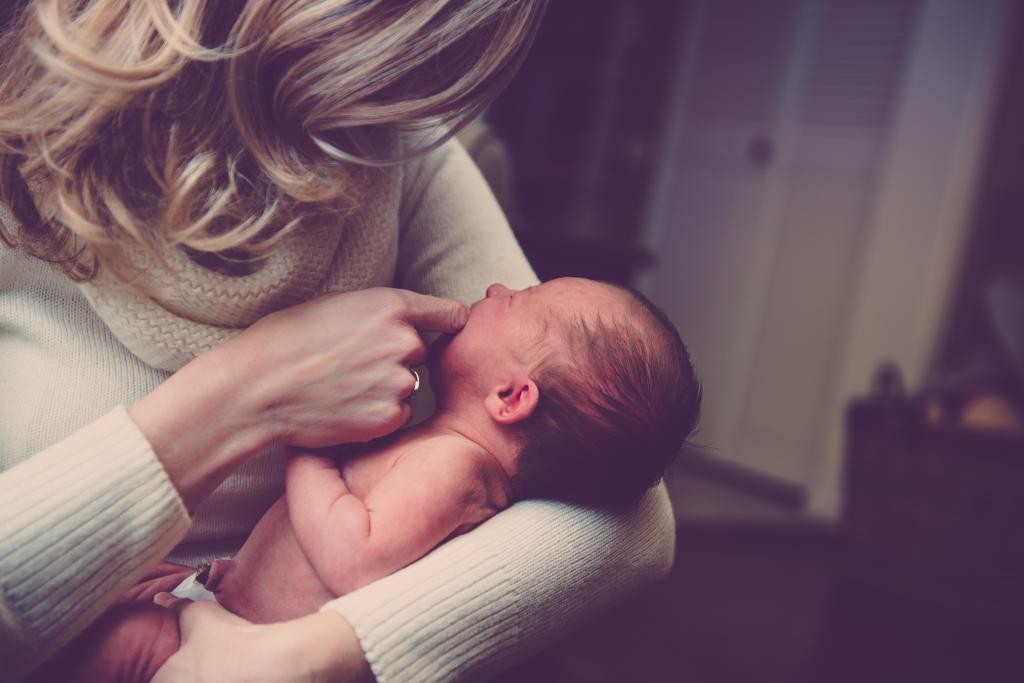
Being Carried: The Baby's First Classroom
Liedloff considers that a continuum baby is taken everywhere, ideally carried by his mother and by any other person around him. Though asleep most of the time, he grows used to the voices of his people, the sounds of their activities, the jolts, movements and unexpected stops.
The caregiver imprints the rhythm of their activity, comfort and day-night cycle on the baby. He is free to get used to changes of texture and temperature. Held by a living body, he feels well and lives experiences as numerous as they are varied.
During the in-arms phase, which Liedloff places from birth to crawling, a baby stores experience and learns what life looks like. Parents who want to prepare a calm space for that exploration often think about how they organise the nursery and store LEGO sets and toys once older siblings arrive, keeping the room uncluttered and easy to move through.
Why the Pram Falls Short
Sights, sounds, movement, tastes and smells experienced in a parent's arms feed the baby's senses, hungry for experience. By contrast, the pram is a lifeless box offering only a large white canvas; the room offers a wall and a ceiling; the cot offers bars and perhaps a mobile that is never changed.
When a baby is left out of his continuum, deprived of the experiences it expects, nothing is acceptable anymore. Awake or asleep, nothing in his ancestors' experience prepared him to stay isolated, and even less to cry without being picked up.

| Experience | In a parent's arms | In a pram or cot |
|---|---|---|
| Touch | Warm skin, hands, heartbeat | Fabric, plastic, bars |
| Sound | Voices, household sounds | Mostly silence or a fixed mobile |
| Sight | Faces, colours, moving scenes | White canvas, ceiling, bars |
| Smell | Parents, people, home, outdoors | Detergent, stale air |
| Movement | Swaying, rocking, jolts | Stillness or jerky pushes |
The Sensory Needs Behind the Theory
The concept lists concrete experiences a baby needs in order to meet his continuum's expectations. These are not luxuries but the raw material of early learning, and they connect naturally to the kind of play that supports development later on, such as sensory toys once the in-arms phase gives way to sitting and grasping.
Warmth and living flesh matter most: hands touching his skin, the heat of a human body. Add auditory experiences like melodies, parents' voices and everyday sounds; visual experiences like colours, household objects and moving trees; tactile experiences with different textures; olfactory experiences with the smells of parents, other people, home and outdoors; and movement through swaying and rocking.
Parents who enjoy this approach often look for everyday objects that support it, from a soft carrier to simple toys, and may browse toy stores or their own local shops for open-ended playthings that reward touch and handling rather than flashing lights.

What This Means for Modern Parents
Liedloff's writing can feel demanding, especially for parents whose start was complicated. A premature birth, a stay in neonatal care or a separation from a partner can make the ideal of constant carrying seem out of reach. Reading about loss before birth or difficult beginnings reminds us that many families carry grief alongside joy, and that the continuum is a direction, not a test.
Practically, the theory invites small, repeatable choices: carry your baby while you fold laundry or cook, talk to him about what you are doing, let him feel the change from warm kitchen to cool hallway. If you are expecting, preparing early helps, whether that means reading about the pregnant belly and rest or planning how hands will be free once the baby arrives.
Seasonal practicalities matter too. Choosing the warmest coats that still allow a carrier to sit safely, or planning gentle outings, keeps the carrying habit alive through cold months. And when visitors arrive, deciding in advance how greetings will work protects a baby's need for calm contact.

Trusting Instincts Over Rules
One of the book's most stirring claims is that babies are not manipulative. A baby cries because something is genuinely wrong, and the adult's job is to respond rather than to schedule or train. This does not mean never putting a baby down; it means treating his signals as information rather than as a battle of wills.
For parents who like structure, this can be balanced with routines that respect the baby's rhythm instead of imposing one. The same instinct-first thinking appears in everyday decisions, from how you handle wash your hands before feeding a baby to how you plan family time, including plans with children that keep a carried baby close to the action.
Liedloff's message is ultimately reassuring: the knowledge is already there. Parents do not need perfect technique, only the willingness to keep their baby in contact with life as it happens around them.
My hands-on take
I came to this book at a difficult moment. My daughter was born premature and spent a month in neonatal care, and I was raising her alone after separating from her father when she was two and a half. Reading about a baby's need for constant holding felt like a reproach at first, because hospital life had put so much distance between us.
What helped was scaling the idea down. I started carrying her during ordinary tasks, narrating what I was doing, letting her feel the change from a warm kitchen to a cool hallway. I stopped treating the pram as the default and used it for longer walks only. The concept did not give me a rulebook; it gave me permission to trust the impulse to keep her close, and that was enough.
Frequently asked questions
What is the continuum concept in simple terms?
It is Jean Liedloff's idea that babies are born expecting the kind of experience human beings evolved with: constant carrying, touch and rich sensory contact. When those expectations are met, the baby feels secure and complete.
Does the continuum concept mean I can never put my baby down?
No. Liedloff describes an ideal of continuous contact, but the practical takeaway is to maximise carrying and closeness rather than to forbid rest. Many parents combine carrying with safe sleep surfaces and short breaks.
Why does the theory criticise prams and cots?
Because they offer little movement, sound, smell or texture compared with a living body. Liedloff argues a baby left in them is deprived of the experiences his development expects.
Is it too late if my baby spent time in neonatal care?
No. The concept is best read as a direction rather than a pass-or-fail test. Resuming close carrying, skin-to-skin contact and everyday sensory exposure still supports your baby's sense of security.
Product Reviews
 Best Toys for Dogs With High Prey Drive |
Best Outdoor Toys for 3-4 Year Olds |
Best Outdoor Toys for 6 Year Olds |
Best Harness for Poodle |
Best LEGO Sets for Adults |
Best Travel Toys for 4 Year Olds on Airplane |
Best Toy Stores in Washington DC |
Best Potty Training Toys |
Best Toys for Tripod Dogs |
Maillot equipe de france







