


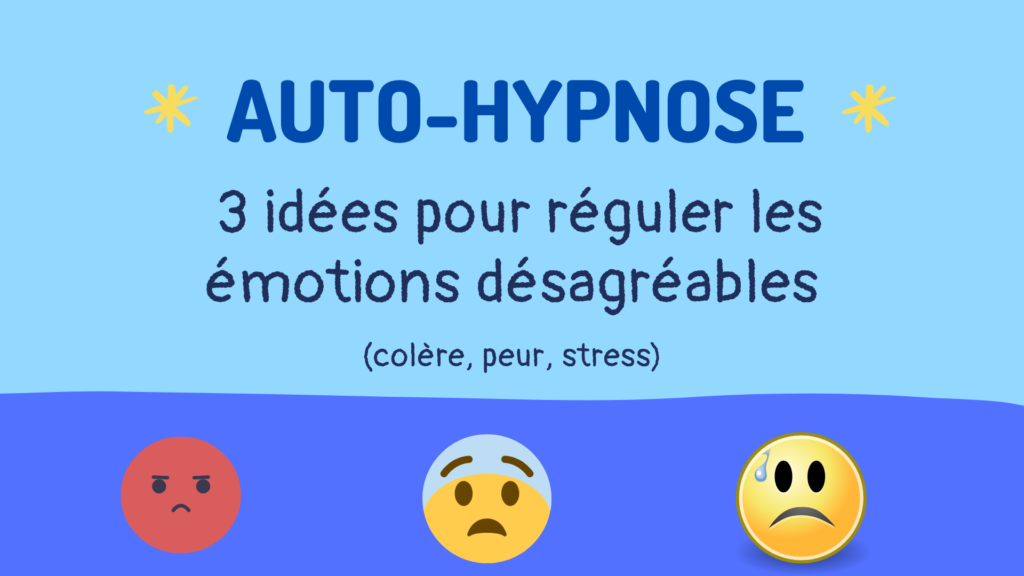
Self-hypnosis is a state of modified consciousness in which you can imagine a solution drawn from your own personal resources. In this state you can, in a sense, "see" yourself doing things, and the approach becomes a lever for putting a solution into place in waking life.
Here are three self-hypnosis ideas to accompany and regulate difficult emotions. They work for children, teenagers and adults alike, and they need nothing more than imagination and a few quiet minutes.

Quick takeaways
- Self-hypnosis uses imagination to rehearse calm responses in daily life.
- A detailed safe place can be revisited whenever fear, stress or anger rises.
- The armour protects against hurtful words; richer images work better.
- A personal stop button gives children a concrete way to pause anger.
- Naming body sensations helps children recognise tension before it overflows.
- Short, regular practice beats using these tools only in a crisis.
The Safe Place: A Mental Refuge
Your imagined safe place is somewhere that means well-being and serenity. It is personal and takes different forms for different people: a beach, a forest, a room from a childhood home. Each person can take time to think about what their safe place would be, a spot where they feel truly good, soothed, confident and calm. It can be a real, known location or an entirely imaginary one.
The place should be imagined in as much detail as possible: the colours seen, the sounds heard, the light, the textures to touch, the smells, the temperature. This imagining should last a few minutes so you soak up the serenity that radiates from the place, until you feel that calm in body and mind. You can then return to this safe place in imagination whenever you feel overwhelmed by fear, stress or anger. Parents who want gentle tools for the earliest months might also enjoy our toys for newborns, while older children benefit from a small fidget toys kept nearby.
Making the Place Feel Real
Ask your child to describe one sound and one colour from their place out loud. Naming details anchors the image and makes it easier to return to later.
The Armour: Protection From Hurtful Words
The imagined armour serves to protect you from hurtful, annoying or stressful remarks. Imagine the armour around yourself — its shape, colour, material, temperature, patterns and other details — then put it on in imagination, seeing yourself wrapped inside it. Regularly, practise reactivating this armour mentally: feel its weight on the skin, feel every limb wrapped and protected.
The armour can take different personal forms: a shield in front of the chest, a protective cape or a bubble all around the body, or any other shape you prefer to invent. What matters is representing this protection clearly, with its defensive effect. You might imagine, for example, that hurtful remarks bounce off the armour or slide along it, or that words burst on the protective bubble. The richer the representation and the more it comes from personal imagination, the more effective it will be. For children who respond to touch and play, a favourite cuddly companion or a baby shower gift blanket can become part of the ritual.
| Tool | Best for | How to practise |
|---|---|---|
| Safe place | Fear, stress, overwhelm | Imagine colours, sounds and textures for a few minutes |
| Armour | Hurtful or stressful remarks | Picture the shape, then feel it wrapped around you |
| Stop button | Rising anger | Draw it, place it on the body, rehearse pressing it |
| Body vocabulary | Recognising early signals | Name tension and release in simple words |
| Family routine | Making it a habit | A short daily pause, kept playful |
The Stop Button: A Strategy for Anger
Drawing on the self-hypnosis technique, you can imagine a stop button to regulate the emotion of anger. This technique can be used by parents and children alike. Close your eyes and imagine a stop button precisely and concretely: its colour, shape, material, weight. Children can even draw it on paper first.
Once the button is clearly visualised in the mind, give it a dedicated location somewhere on the body. With practice, each person can "see" themselves pressing their stop button during moments of crisis, before the anger overflows. Drawing the button is a lovely creative task that pairs well with the kind of hands-on making you will find in our Christmas tree drawings or a set of Father's Day crafts — the point is simply to make the invisible button visible and familiar.
Practice Before the Storm
Rehearse pressing the button on calm days so the gesture is automatic when emotions rise.
Learning to Identify the Body's Emotion Signals
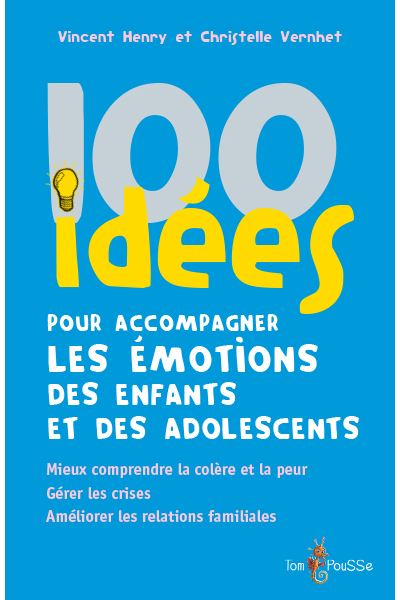
It is also valuable to begin work on bodily sensations, both in terms of vocabulary and of felt experience. A rich vocabulary for sensations helps children understand the messages the body sends, recognise their influence and use them wisely to make decisions. Being able to put words to the tension that announces and accompanies anger means knowing it is time to pause before exploding and to activate a calming technique like the three above.
In the same way, really feeling the contrast of sensations (tension and release) shows that sensations are not dangerous and always pass. You then avoid becoming disorganised or overwhelmed — collapsing, panicking or turning to violence. When we adults can feel this fluidity in our own bodies, the shift from tension to release, we become more able to understand what children are going through and to accompany their emotions. A calm, well-rested parent is a little like the mirror in which children see themselves each morning, so tending to your own state matters too.
Building a Family Calming Routine
These three tools work best when they become part of ordinary family life rather than an emergency measure. Try a short daily pause — a few minutes before bed or after school — to visit the safe place, check the armour or press the stop button. Keep the tone playful, never a punishment or a test.
Some families like to pair the routine with a quiet activity: colouring, a story, or simply sitting together. Our round-up of children's apps and our stories about autumn can offer gentle, low-key moments to settle before practising. If a child is unwell or recovering, calm rituals also help; even something as simple as choosing sunglasses for children for a sunny walk can be framed as caring for the body. And when siblings are involved, shared practice supports the bonds you may already be nurturing, as in our guide on sibling bonds during pregnancy.

My hands-on take
In our house, the stop button was the one that stuck. My youngest drew a big red circle on a scrap of paper, taped it to the fridge, and for weeks announced "I'm pressing it" whenever a game went wrong. It did not magically end every tantrum, but it gave us a shared word for pausing, which was more useful than any lecture I had tried. The safe place took longer. We built it slowly over several bedtimes, adding one detail each night — the sound of waves, then warm sand, then a particular smell. Now, when a day has been too much, I only have to ask where they would like to go, and the answer is often that same imaginary beach. My own version is a quiet forest path, and I have learned to visit it before I respond to a difficult moment rather than after.Frequently asked questions
What age can children start these techniques?
Most children can join in from around school age, when they can follow a simple imagining exercise. Younger children do better with drawing the button or describing the safe place out loud with an adult.
How long should a session last?
A few minutes is enough for the safe place or the armour. The goal is regular, brief practice rather than long sessions, so keep it short and stop while everyone is still comfortable.
Can parents use these tools too?
Yes. The same three ideas work for adults, and practising yourself helps you stay calm enough to guide a child. It also makes the routine feel shared rather than something imposed.
Do these techniques replace professional help?
No. They are everyday calming tools. If a child's emotions are intense, persistent or distressing, speak with a health professional for proper guidance.
Product Reviews
 Best Toys for Dogs With High Prey Drive |
Best Outdoor Toys for 3-4 Year Olds |
Best Outdoor Toys for 6 Year Olds |
Best Harness for Poodle |
Best LEGO Sets for Adults |
Best Travel Toys for 4 Year Olds on Airplane |
Best Toy Stores in Washington DC |
Best Potty Training Toys |
Best Toys for Tripod Dogs |
Maillot equipe de france







