


Playful parenting is one of the most reliable tools a family has for releasing tension, and shared laughter does more for the relationship than most lectures ever will. Play between a parent and a child builds emotional connection, fills the emotional tank on both sides, redirects inappropriate behaviour and gives children the attention they crave.
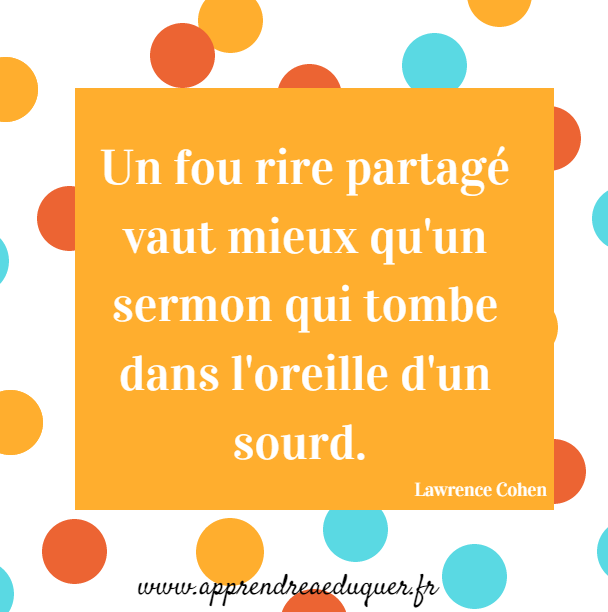
Laughter works as an emotional discharge, and it can be as balancing for a human being as a good cry. That is the whole principle behind the playful approach described by Lawrence Cohen in his book on play, and it is something any parent can put into practice today.

Quick takeaways
- Play and laughter build connection and release tension for both parent and child.
- Always ask before touching and stop the moment a child says stop.
- Exaggeration, silly voices and mock clumsiness are what trigger the laughter.
- The stop game teaches children that their refusal is heard and respected.
- The listening game gives one child your full, undivided attention for a set time.
- Tears after laughter can signal safe emotional release, not failure.
Why play and laughter release family tension
Play between parents and children, and the laughter that comes with it, is a dependable way to connect emotionally and create a bond. It fills the emotional reservoir of adults and children alike, redirects an inappropriate behaviour, releases tension in the relationship and gives genuine attention. It also helps everyone relax.
Laughter is an emotional discharge that can do as much for a person's balance as a good crying session. This is the whole principle of playful parenting as proposed by Lawrence Cohen in his book Qui veut jouer avec moi? (Playful Parenting).
Two ground rules keep the games safe. Always ask the child whether they agree to be touched before starting a game that involves contact, and respect their request if they want to stop. Then lean on exaggeration: a terrified voice, a disproportionate reaction, simulated facial expressions, bewildered looks, falls and clumsiness, cries of distress. Exaggeration is a precious attitude that triggers laughter and lets tension drain away.
1. The pizza maker game
The adult is the pizza maker and the child is the pizza dough. The adult kneads the dough (without violence or unwanted tickling), then spreads tomato sauce by running hands over the child's belly, adds cheese with little pokes across the body, then herbs and hot oil. Ask whether the oil is too spicy, whether it prickles too much, whether a little more can go on.
Let inspiration carry you as you add ingredients and invent new gestures that strengthen the bond. To finish, rub the child to simulate the heat of the oven, and the dish is ready. Who wants some?
Why it works
This game is a gentle, predictable way to offer warm physical contact on the child's terms, which is often exactly what a wound-up child needs. If your child enjoys building and collecting as much as rough-and-tumble, LEGO Warthog can inspire calmer shared projects for another day. For families thinking about growing, these facts about fertility are worth a read, and these autumn stories make lovely shared reading.

| Game | Best for | Contact needed |
|---|---|---|
| Pizza maker | Warm reconnection after a hard day | Yes, ask first |
| Magic shampoo | Bath and hair-time battles | Yes, light touch |
| Stop game | Nail cutting, nose blowing, hair washing | Yes, brief |
| Catch-me | Burning off energy, silly mood | No |
| Listening game | One child needing attention | Depends on child |
2. The magic shampoo game
Invite children to style your hair, or even wash it, following their own inspiration, over a sink or basin, or outside in summer. They can invent crazy hairstyles, put accessories in your hair, sculpt it with styling gel or water, or make foam to give you a Father Christmas beard. Play along with faces and exaggerated surprise or outrage, and take photos.
Then swap roles. Hair and bath routines can be a real flashpoint for little ones, so it helps to know bath products for little ones before you turn the bathroom into a game. For a seasonal twist, try scary Halloween hairstyles once autumn arrives.
3. The stop game for parents
The stop game lets children experience power, because they are heard in their refusal. When you have to do something the child dislikes (cutting nails, washing hair, blowing a nose), offer to stop completely whenever they say "stop". Stop at the first stop in an exaggerated way: a stupid expression, freezing like a statue, moving only your eyes.
After a while, judged by the situation, resume the task while keeping in mind that you must always interrupt at the first stop. Add another dimension by pretending to mishear while still stopping your gesture without freezing: what did you say? you said to keep going, is that right? can you repeat, I didn't hear? ah, you said stop… oh, I must freeze veeeery quickly!
This game also strengthens the trust children place in us, because they learn we are capable of stopping when they ask. It pairs well with the respectful routines in baby's own space as children grow.
4. The catch-me game
Simply move towards the child as if you are about to catch them, but never succeed. Put in the necessary enthusiasm, letting the child escape and wearing the crestfallen look of someone who cannot understand what just happened.
It is a simple chase with no winner and no loser, and that is precisely the point: the child gets the thrill of the pursuit without any real fear. It works beautifully outdoors, and it also fits the spirit of time spent together that children remember long after the game ends.
5. The listening game
Set aside a limited time for one child alone and do exactly what they want. They are the guide, and this time feeds their need for attention, belonging and unconditional love while leaving them the initiative over activities linked to their current needs, whether emotional discharge or filling the emotional tank.
They may suggest games we do not like, and we play them anyway, because it is a way for them to check that we keep our word. Use a timer to frame the time given to the listening game. Deep tensions may surface during this kind of parent-initiated play: children can cry after laughing, a sign that they feel safe enough to release emotions such as sadness, anger or fear.
Reading together afterwards is a calm way to close the session; Julia Donaldson on books offers a thoughtful perspective on choosing stories. It also pairs well with understanding how they learn step by step. And if a child is unwell after a big emotional day, knowing how to treat bronchitis helps you stay calm.

My hands-on take
I started with the stop game during nail cutting, mostly because that particular battle had worn us both down. The first time I froze mid-movement with a ridiculous expression, my child laughed so hard that the whole task suddenly stopped feeling like a fight. What surprised me was how quickly they began to trust the "stop" itself, and how much calmer the next attempt was.
The listening game took more discipline. Sitting back while my child chose an activity I did not enjoy was harder than it sounds, but the timer helped me stay honest. Some sessions ended in tears, and I learned to simply stay nearby rather than fix anything. Over time, those short, undivided moments did more for our connection than any elaborate outing.
Frequently asked questions
What if my child does not want to play?
Never force it. Offer the game lightly and let them decline; the invitation itself signals that you are available. Try again another time, perhaps when the mood is already light.
Is it normal for a child to cry after laughing?
Yes, this can happen, especially during the listening game. It usually means the child feels safe enough to release emotions such as sadness, anger or fear, so stay close and calm.
Do these games work with teenagers?
The spirit of play still matters, but the form changes. Older children often prefer humour, shared jokes or one-to-one time doing something they choose rather than physical games.
How long should the listening game last?
Use a timer and keep it short enough that you can genuinely follow through. A brief, reliable slot that you honour every time is worth more than a long session you cancel.
Product Reviews
 Best Toys for Dogs With High Prey Drive |
Best Outdoor Toys for 3-4 Year Olds |
Best Outdoor Toys for 6 Year Olds |
Best Harness for Poodle |
Best LEGO Sets for Adults |
Best Travel Toys for 4 Year Olds on Airplane |
Best Toy Stores in Washington DC |
Best Potty Training Toys |
Best Toys for Tripod Dogs |
Maillot equipe de france







