


Fabu Mélo is a magical creatures book that invites children aged six and up to mix and match the heads and tails of mythical beasts from around the world. You have probably heard of the griffin and the unicorn, but what about the grifforne?
This spiral-bound bestiary gathers magical and mythical creatures from many cultures and lets young readers combine them into their own wonderful animals. From the wolpertinger to the bakeneko, by way of the kraken and the qilin, the book offers more than a thousand possibilities for fascinating, spellbinding creations.

It is a hands-on volume rather than a story to read from start to finish, which makes it a natural fit for curious kids who like to build, invent and tell their own tales.
Quick takeaways
- Split pages mix any head with any tail for over 1,000 creature combinations.
- Names are built from swappable syllables, quietly supporting reading and spelling.
- Descriptions and artwork are designed to stay coherent whatever the mix.
- Creatures draw on world mythology, from the kraken to the qilin.
- Great for reluctant readers because every flip gives an instant result.
- Works as a shared game, a drawing prompt or a story-starter.
How the Split-Page Book Works
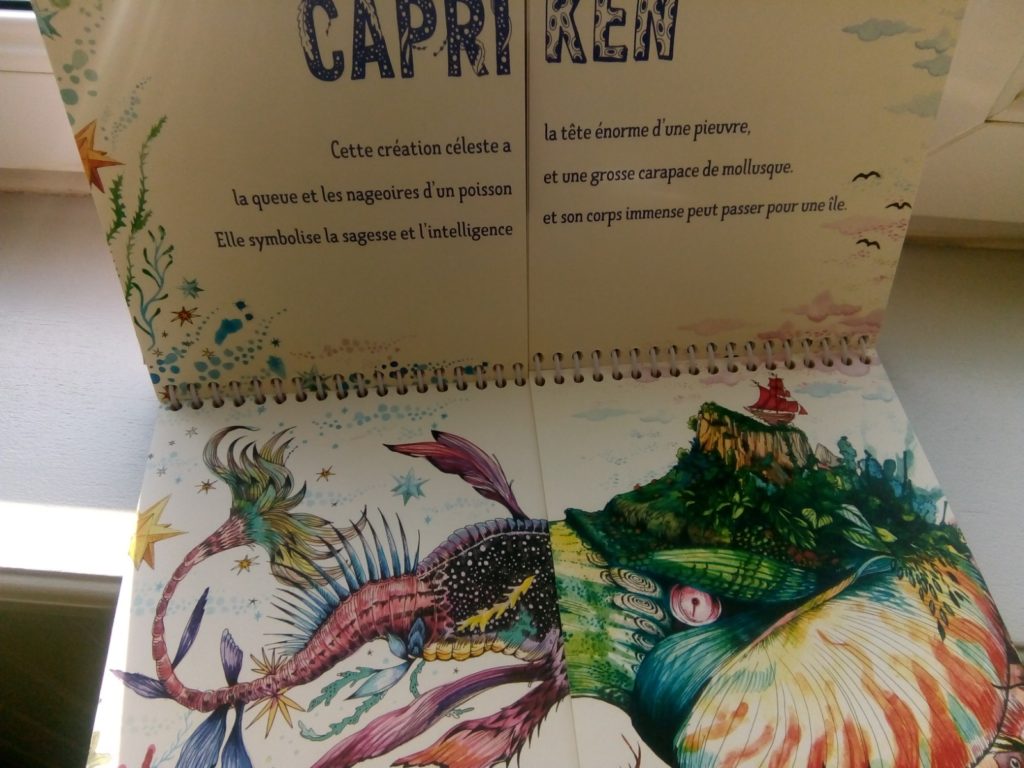
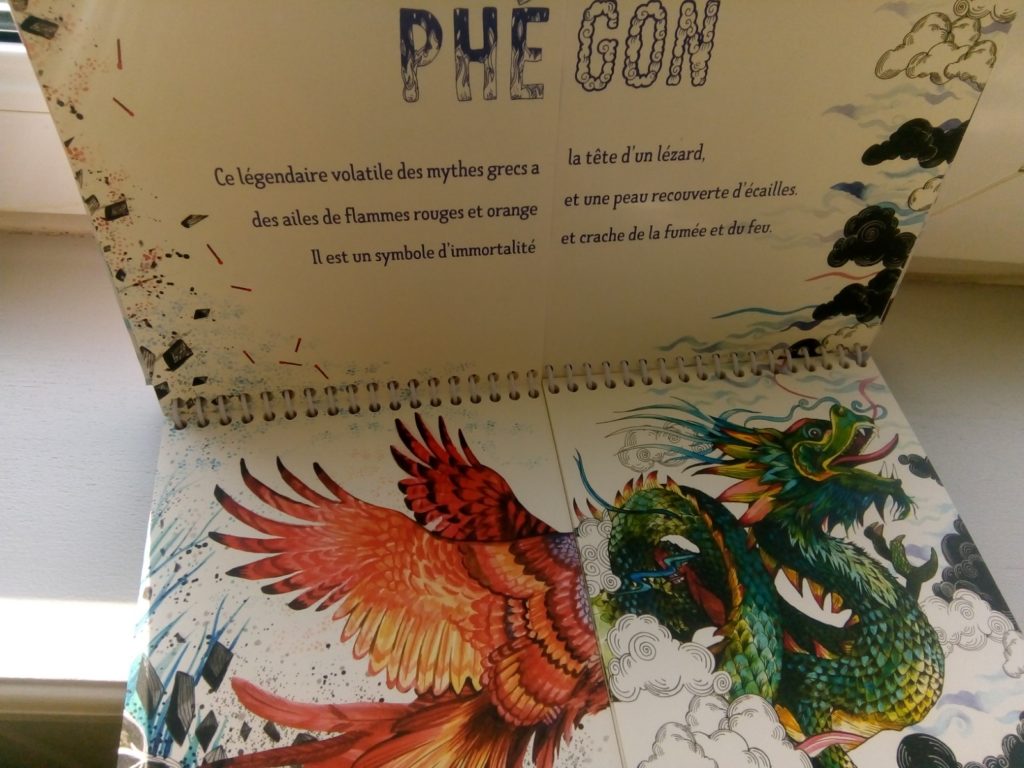
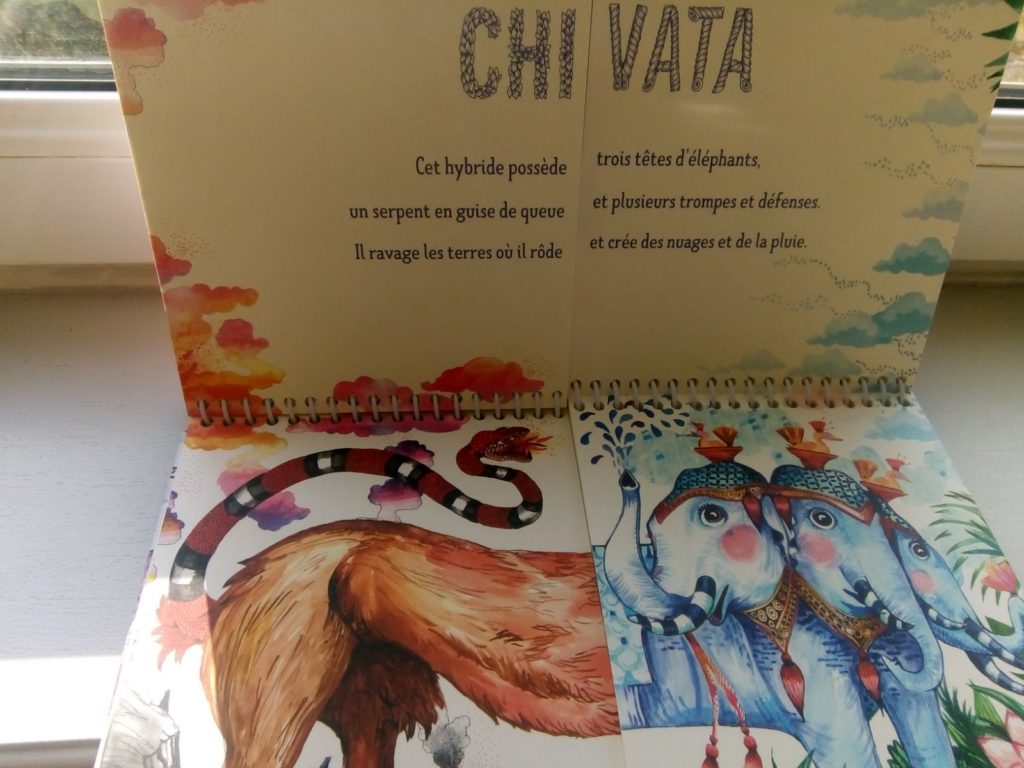
The book is built from horizontal double pages designed to be manipulated. The top half presents the name of a fantastical creature along with its description, while the bottom half offers illustrations.
The real originality lies in the cut: every page is divided in two, and each half can be mixed with any other half in the book. Children simply turn the page halves to create brand-new creatures, complete with a new name, a new description and a new illustration.
Each creature name is made of two syllables that can be swapped around, and the descriptions are worded so they still make sense when combined. The artwork is likewise designed so the top and bottom of the body always stay unusual, funny, imaginary and yet coherent.

Examples of Creatures Children Can Invent
Children will love spending hours turning the pages to invent new creatures. They might meet an itzpapagon, an Aztec creature with a lizard's head, or a cargon, a beast with a shell-shaped body and a dragon's head.
Others include a kenku, son of the god Loki with a wolf's body and an elephant's trunk, or a skolobaena, a Greek sea monster with a serpent's head and a crayfish's rear. Each combination is a small prompt for a story, and pairing the book with toys for 3 year olds can spark even more imaginative play.
From Reading to Inventing
From these fantastical creatures, children can imagine any number of stories, and even create their own creatures by imitating the principle of the book. That step from consuming to creating is where the real value lies, much like the hands-on discovery in Google augmented reality.

| Child's age | What they can do | Adult role |
|---|---|---|
| 4-5 years | Flip halves and laugh at the pictures | Read descriptions aloud |
| 6-7 years | Invent names and simple stories | Ask about habitat and diet |
| 8-10 years | Write creature profiles and compare myths | Supply reference books |
| Mixed ages | Take turns in a family game | Keep score and referee |
| Solo play | Draw and label new creatures | Leave paper and pencils nearby |
Mythology and Language Behind the Names
The creatures draw on mythological references, ancient gods and legends from around the world. The names bring a dreamlike touch and invite children to play with letters and words.
Because each name is built from syllables, the book quietly supports early reading and spelling. A child who sounds out "grif-forne" is practising phonics without noticing it, and comparing real myths with invented hybrids is a gentle introduction to cultural literacy.
The illustrations, with Asian-inspired touches, free up children's creativity. Page after page, the book strings together the wildest images and most improbable creatures for the pleasure of both children and adults.
Why It Suits Creative and Reluctant Readers
Not every child wants a linear story, and a book you can physically manipulate lowers the barrier. Turning half-pages gives immediate feedback, so a child who is hesitant about reading still gets a rewarding result within seconds.
It also works well as a shared activity. An adult can read the descriptions aloud while the child flips the halves, or two children can take turns inventing a creature and describing it to the other. For quieter moments, pair it with simple routines that help a child wind down, such as the positive sleep phrases many families use at bedtime.
If you are looking for more ways to nurture imagination at home, our ideas on children self-improvement and on whether rewarding good actions helps or hinders are useful companions to this kind of open-ended play.
Practical Tips for Using the Book at Home
Keep a small notebook and pencils beside the book so invented creatures can be drawn and named straight away. Ask your child to give each new beast a habitat, a diet and one weakness, which turns a flip of the page into a tiny world-building exercise.
You can also turn it into a family game: everyone invents a creature, then votes on which one would win a race or survive a desert. For children who enjoy building, the same creative muscle shows up in construction play, much like the story of how bricks helped one child through a difficult time.
Older siblings can write short profiles of each creature, while younger ones dictate theirs aloud. It is a flexible format that grows with the child rather than being outgrown in a week.
Who It Is For and Where to Find It
Fabu Mélo is aimed at children aged six and up, though the humour and wordplay will amuse adults too. It is available in libraries, bookshops and online retailers, so borrowing it first is an easy way to test whether it clicks with your child.
It makes a strong gift for a child who already loves myths, dragons or drawing, and a good companion to other screen-free activities. Families who enjoy making things together might also like our Christmas nougat recipe for a calm kitchen afternoon, or browsing toys for nine month olds if there is a younger sibling in the house. If a new baby is on the way, our guide on building sibling bonds can help prepare everyone.
For a wider gift list, our teenager Christmas gifts ideas help when the household spans several ages.


My hands-on take
I tried this book with a child who usually resists anything that looks like reading, and the difference was immediate: the flipping itself was the reward. Within ten minutes we had invented a shell-bodied dragon and argued about whether it could swim, which led to a drawing session that lasted most of the afternoon.
What I appreciated most was that I did not have to orchestrate anything. The book does the prompting, and my role shrank to asking one or two questions. If you keep a notebook nearby, the invented creatures tend to come back in later stories, which is a quiet sign that the format is doing its job.
Frequently asked questions
What age is Fabu Mélo suitable for?
It is recommended for children aged six and up. Younger children can still enjoy flipping the pages with an adult reading the descriptions aloud.
How many creature combinations are there?
The book offers more than a thousand possible combinations, since any top half can be paired with any bottom half.
Does it require reading ability?
No. The illustrations and the physical flipping work on their own, and the short descriptions can be read aloud by an adult.
Can it be borrowed rather than bought?
Yes, it is available in libraries and bookshops as well as online, so you can try it before committing.
Product Reviews
 Best Toys for Dogs With High Prey Drive |
Best Outdoor Toys for 3-4 Year Olds |
Best Outdoor Toys for 6 Year Olds |
Best Harness for Poodle |
Best LEGO Sets for Adults |
Best Travel Toys for 4 Year Olds on Airplane |
Best Toy Stores in Washington DC |
Best Potty Training Toys |
Best Toys for Tripod Dogs |
Maillot equipe de france







