


Dyslexia-friendly Greek mythology books give young readers a real chance to finish a whole book on their own, even when decoding letters still feels like hard work. This collection of short mythology novels is designed exactly for that: genuine stories, controlled layouts and adaptations tested by speech therapists.
Each title is a proper little novel, with real vocabulary and sentence structure, told across several chapters so a child can pause between them. The episodes come from classical Greek myth, aimed at readers from about seven or eight years old.

Below you will find what makes the series work, which adaptations matter most, and how to use these books at home without turning reading into a test.
Quick takeaways
- Short chapters let a child pause and return without losing the thread
- OpenDyslexic font helps distinguish easily confused letters like p/q and d/b
- Alternating coloured lines make it easier to keep your place
- Unjustified text and one short paragraph per double page reduce visual strain
- Large illustrations on every spread give the eyes regular rest points
- Nine titles in the collection let a child follow their own interest
A mythology series built for young readers
The collection presents each myth as a short novel rather than a picture book, with chapters that let a child stop, breathe and come back later. The language is adapted for younger readers but keeps the shape of a real story, so the child meets richer vocabulary and longer sentences than in a simple early reader.
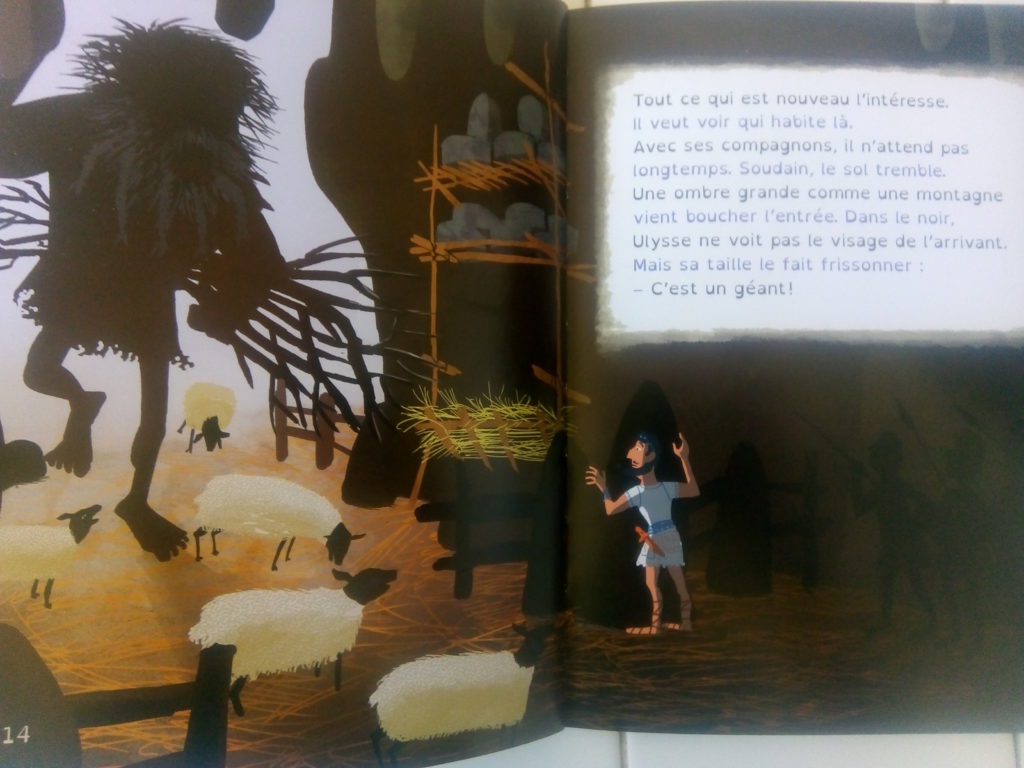
Every volume follows one classical episode. In one title, Ulysses and his men are trapped in the cave of a monstrous cyclops, and the question is whether Ulysses' trick will be enough to save them. That kind of cliffhanger gives a struggling reader a reason to keep going, which matters as much as the layout.
If you are choosing books alongside other developmental decisions, our piece on brain changes pregnancy is a reminder of how closely a child's environment and development are connected.

What makes these books work for dyslexic children
The adaptations are practical, not decorative. Chapters are short. The typeface is OpenDyslexic, designed to help children tell apart letters that are easily confused, such as p and q, or d and b. Every other line is printed in colour, which makes it easier to keep your place on the page.
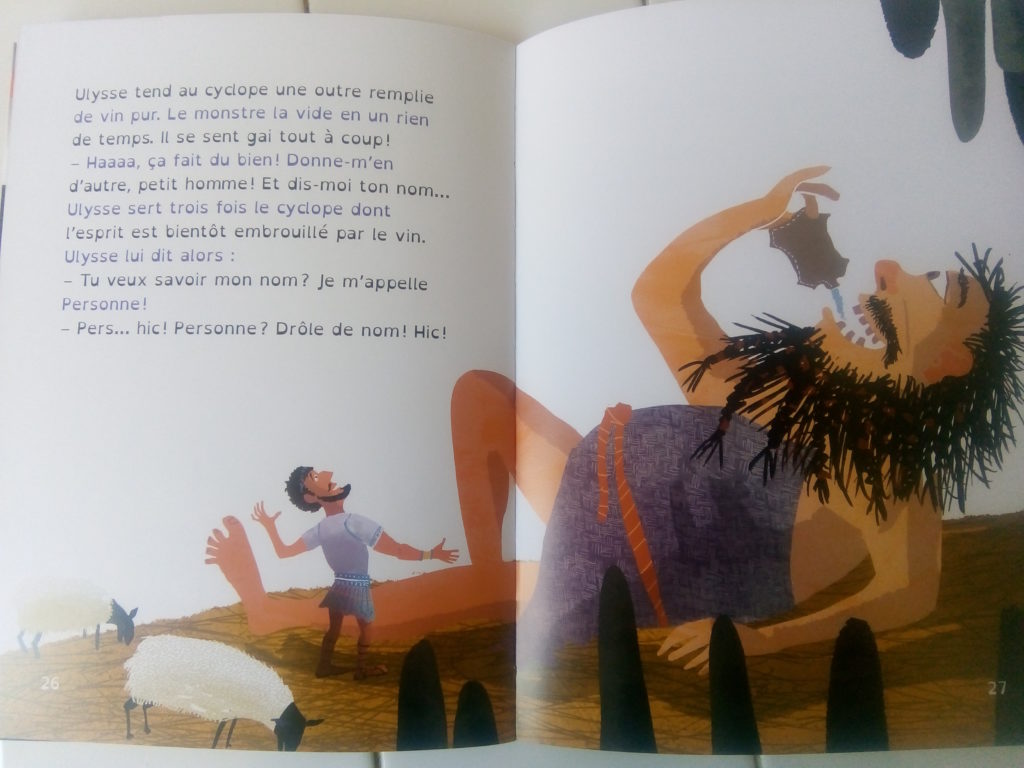
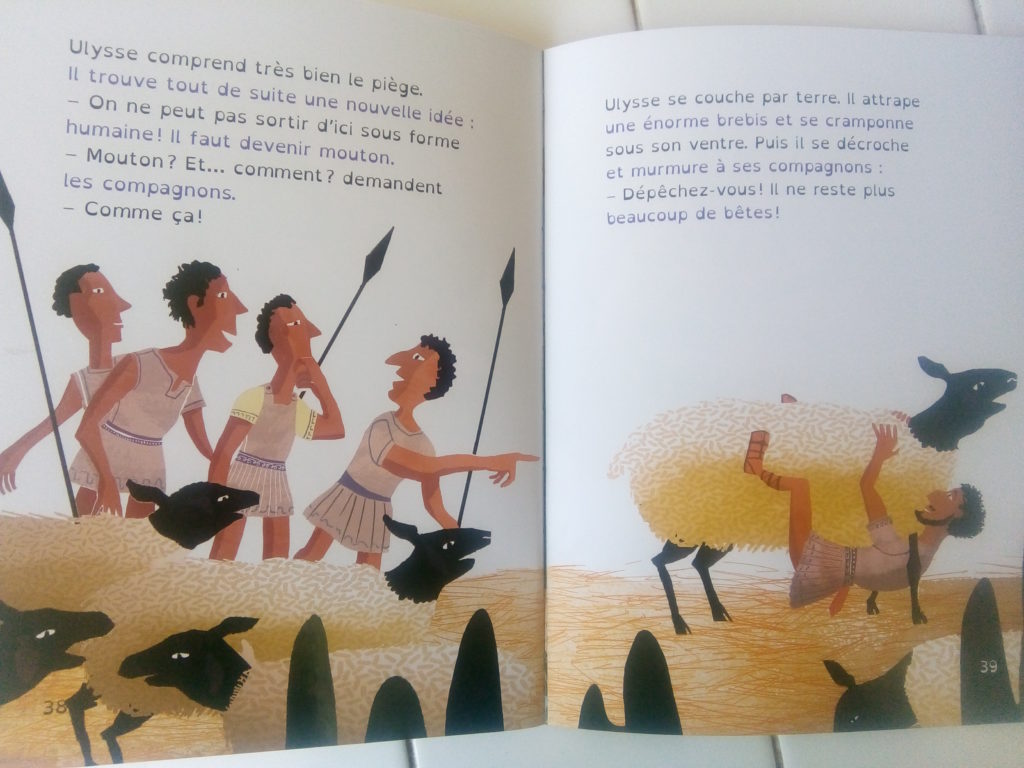
The text is not justified, so word spacing stays even instead of stretching into rivers of white space. Each double page offers one fairly short paragraph of text and a large illustration, giving the eye regular rest points.
Reading for pleasure, not for performance
These details matter because they lower the effort of the mechanical part of reading, leaving more attention for meaning. A child who can follow the story is a child who wants to read the next chapter. For more ideas on keeping pressure low at home, see parenting without fear.
| Feature | What it changes | Best for |
|---|---|---|
| Short chapters | Clear stopping points | Children who tire quickly |
| OpenDyslexic font | Distinct letter shapes | Letter confusion (p/q, d/b) |
| Coloured alternate lines | Stronger line tracking | Losing place on the page |
| Unjustified text | Even word spacing | Visual crowding |
| One paragraph plus image per spread | Less text per view | Building reading stamina |
Stories that carry real values
The content introduces children to a founding myth of Greco-Roman civilisation while carrying values children respond to: courage, solidarity and creativity, all set against Homeric adventure with a welcome touch of humour. The text is a version for younger readers but stays faithful to the message of the myths.
Those stories highlight the adventurous spirit of Hercules, which sometimes leads him into danger and sometimes gets him out of the most perilous situations. That ambivalence is useful: it gives you something to talk about after the last page, beyond who defeated whom.
Reading aloud together remains valuable even when a child can read alone, and our selection of Benji Davies books offers gentle titles for those shared sessions.
The titles available in the collection
The volume described here is Ulysses Prisoner of the Cyclops, adapted for dyslexic readers by Helene Kerillis and published by Hatier. It is available in libraries, bookshops and online retailers. Eight other titles sit in the same collection, including The Horse of Troy, The Return of Ulysses, King Midas' Gold and Achilles' Heel.
That range means you can follow a child's interest rather than a fixed order. A child drawn to monsters can start with the cyclops; one drawn to treasure can start with Midas. For younger siblings not yet ready for chapters, our guide to the best toys covers the earlier stage.
How to use these books at home
Offer the book without an agenda. Let the child choose the title, hold the book, turn the pages, and stop wherever they like. If they want to read one page and hand over to you, that is still reading, and it still builds stamina.
Keep sessions short and end on a good moment rather than at a wall. Rereading a favourite chapter is not a step backwards; it is fluency practice that feels like pleasure. A calm, predictable routine helps, much like the steady presence described in funny fatherhood tweets.
If reading fatigue is part of a wider picture, including ear pain or hearing worries, our article on child ear infection explains when to seek advice. And if a child needs a screen-free break after reading, the screen free toys selection offers quiet alternatives.

Choosing the right next step
Not every struggling reader has dyslexia, and not every dyslexic reader needs the same support. These books are a tool, not a diagnosis. Watch what your child does with them: do they reach for the book, do they talk about the story, do they ask for one more chapter?
That said, a book a child can actually finish changes how they see themselves as a reader. Pair chapter reading with other low-pressure activities, such as the tummy time toys for a baby in the house, so reading is one pleasant part of family life rather than the only focus.
My hands-on take
I have used this kind of layout with a child who could decode words but lost the line constantly. The coloured alternate lines were the detail that changed things: instead of my finger tracking the page, the page did the tracking. We started with one chapter a night and often stopped mid-chapter, which felt wrong to me at first and completely normal to him.
What I would do differently is hand over the choice of title earlier. Once he picked the story himself, the negotiation about reading time mostly disappeared. My advice is simple: keep the sessions short, let the child hold the book, and never turn the last page into a comprehension quiz.
Frequently asked questions
At what age can a child start this collection?
The series is aimed at readers from about seven or eight years old. That is a guide rather than a rule, so a younger fluent reader or an older child who is still building confidence can both use it comfortably.
Do these books replace reading support?
No. They are a reading tool that lowers the mechanical difficulty of the page. If you suspect dyslexia, speak to a professional; these books work well alongside support, not instead of it.
Can a child read them alone?
The adaptations are designed so that a child who struggles can get through a whole book independently. Many families still alternate pages at first, which builds stamina without pressure.
Are the stories faithful to the myths?
The language is simplified for younger readers, but the episodes and their messages stay true to the classical tales, including the courage, solidarity and humour of the originals.
Product Reviews
 Best Toys for Dogs With High Prey Drive |
Best Outdoor Toys for 3-4 Year Olds |
Best Outdoor Toys for 6 Year Olds |
Best Harness for Poodle |
Best LEGO Sets for Adults |
Best Travel Toys for 4 Year Olds on Airplane |
Best Toy Stores in Washington DC |
Best Potty Training Toys |
Best Toys for Tripod Dogs |
Maillot equipe de france







