


Sending the message of love between parents and children is not automatic, especially when worry and anger speak first. Many of us lead with our fears when our child misbehaves, and the love we feel gets buried under reproaches and suspicion. The result is distance instead of cooperation.
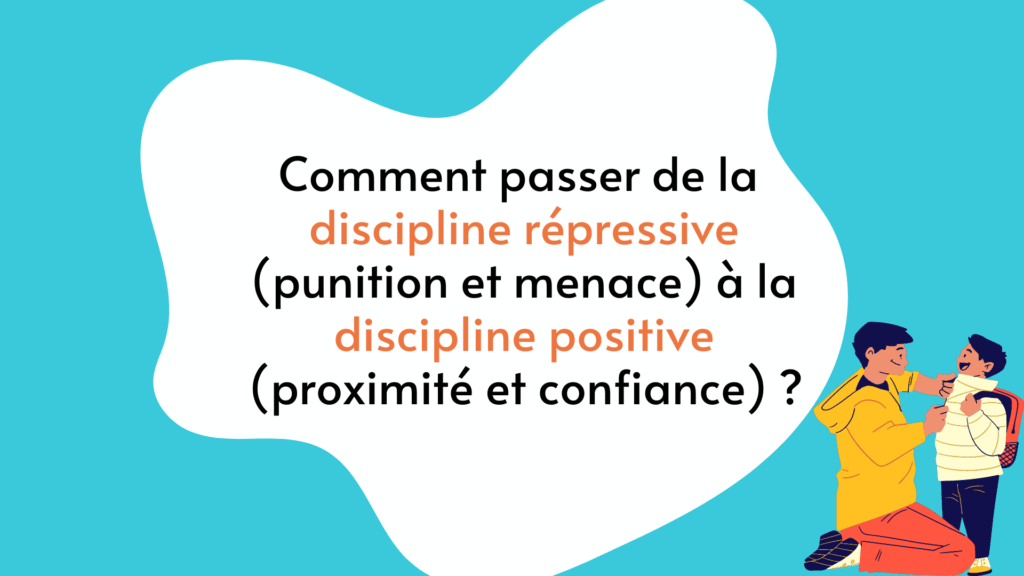
Positive discipline, the approach developed by Jane Nelsen, invites parents to step into the child's world and try to understand what the child might be feeling, rather than trying to shame or trap them. The shift is from punishment and threats toward closeness and trust. It is not about being permissive; it is about making sure the child hears the love underneath the limit.

Quick takeaways
- Lead with curiosity about your child's feelings before you correct behavior.
- Separate the limit from the love: hold both at the same time.
- Repair quickly with a sincere apology when your anger speaks first.
- Build trust in small daily moments, not only during conflict.
- Invite your child to solve the problem with you instead of against you.
- Remember that when the adult changes attitude, the child often follows.
Why Worry Often Replaces the Message of Love
When a child does something that frightens us, our first reaction is often anxiety dressed up as anger. We raise our voice, we interrogate, and the child hears accusation rather than care. Nelsen points out that it is far more effective to imagine what the child might be feeling than to try to make them feel guilty.
This matters because children read tone before they read words. A parent who is genuinely curious about a child's world builds a bridge; a parent who is trying to catch them out builds a wall. Small daily habits help, such as sitting together at meals and giving children undivided attention, which is the same principle behind baby at table.
Two ways to answer the same problem
Nelsen illustrates this with a mother who finds a pack of beer hidden in her teenage daughter's room. The same situation produces two completely different conversations, depending on whether the mother leads with hostility or with connection.
The Hostile Exchange: Distance and Suspicion
In the first version, the mother holds up the pack and demands, "What is this?" Her daughter answers sarcastically, "It looks like a pack of beer, Mom." The mother snaps back, "Don't play smart with me," and the daughter insists she does not know what her mother means.
The mother announces she found it in the closet and that the girl had better have a good excuse. The daughter claims she forgot and is keeping the beers for a friend. The mother replies that nobody would believe that, and the daughter ends with, "Believe me or not, I don't care."
Notice what happened: nobody listened, nobody felt understood, and the real issue was never addressed. The daughter learned to defend herself rather than to trust her mother. This is the trap of discipline built on distance, much like the postpartum struggles that quietly strain family bonds.
| Element | Hostile exchange | Trusting exchange |
|---|---|---|
| Opening line | "What is this?" | "Could we talk for a moment?" |
| Focus | Catching the child out | Understanding the child |
| Child's response | Sarcasm and defensiveness | Tears and honesty |
| Adult's move | Threats and suspicion | Apology and empathy |
| Outcome | Distance and distrust | Repair and cooperation |
The Trusting Exchange: Proximity and Repair
The next day, the same mother simply asks, "Could we talk for a moment?" Her daughter, still guarded, wants to know about what. The mother says, "When I shouted at you last night about the beer, I bet you thought I didn't care about you at all."
The daughter, feeling truly understood, begins to cry. She says she feels like a burden and that only her friends really count on her. The mother answers that when her fear and anger speak instead of her love, it is normal for her daughter to feel unimportant, and she apologizes for how she handled the night before.
The daughter reassures her that the beers really were for a friend. The mother hugs her and suggests a fresh start, solving problems together while paying attention to each other's needs. Nelsen's conclusion is hopeful: when the adult changes attitude, the child can change too. Repair like this matters at every age, whether you are navigating fear of water or bigger teenage storms.
Practical Habits That Carry the Message of Love
Connection is built in ordinary moments, not only in crisis. A few minutes of real attention each day, without a screen competing, tell a child they matter more than any lecture could. Shared routines, from a calm bedtime to reading together, do more for trust than grand gestures.
It also helps to keep the wider context in mind. Children are managing school, friendships, and their own worries, and sometimes behavior is a signal rather than an attack. Knowing what is going on in their world, including practical concerns like preventing head lice or choosing warmest children's coats, keeps the relationship grounded in daily care. The same steady presence matters when relatives overstep, so it helps to know how to stop family interference calmly. Play is part of that care too, and fine motor skill toys support a child's growing independence.
Apologize and start again
When you get it wrong, say so plainly and without excuses. An honest "I'm sorry I shouted" models the very repair you want your child to learn.

Shifting From Punishment to Cooperation
Positive discipline asks parents to hold the limit and the relationship at the same time. Instead of threatening a consequence in the heat of the moment, name the problem and invite the child to solve it with you. This turns a confrontation into a shared project.
Curiosity is the key tool. Asking "What happened?" and "What do you need?" opens a conversation that blame closes immediately. The same respectful tone works when you explain something new, whether it is phones in schools or why a family routine matters.
Children also learn from what we show them about the world. Curiosity, patience, and care for others are caught more than taught, and the way we speak at home shapes how children speak to themselves. Even choosing a family outing or a gift becomes a chance to listen to what a child actually wants, as when picking Christmas gift ideas.
Making the Message of Love a Daily Practice
You do not need perfect words. You need consistency: a warm greeting in the morning, a genuine question about the day, and a calm presence when things go wrong. Over time, these small signals become the child's inner voice of being loved.
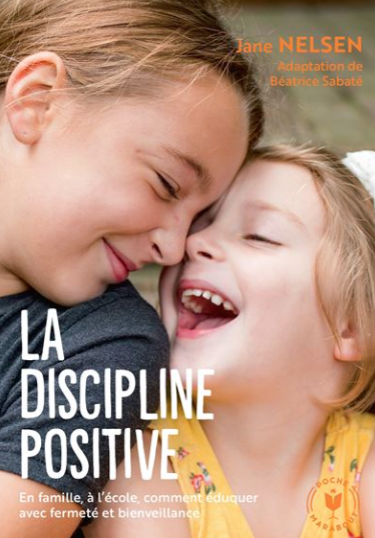
Keep expectations realistic, for yourself and for your child. Some days will be messy, and that is fine; what counts is returning to connection. If you want to deepen the approach, look for the book Positive Discipline by Jane Nelsen in your library, bookshop, or online.
Finally, remember that the goal is not a child who never makes mistakes, but one who knows they are loved even when they do.

My hands-on take
I have tested this more times than I would like to admit. My instinct when something goes wrong is to ask a sharp question, and I can hear my own voice turn into the mother with the beer pack. What has worked better, again and again, is pausing and guessing out loud what my child might be feeling. Sometimes I get it wrong, but even a wrong guess usually starts a real conversation instead of a fight.
The other habit I rely on is apologizing quickly. I used to think an apology undermined my authority; now I see it as the fastest way back to connection. A short "I'm sorry I snapped, let's try again" has done more for trust in our house than any consequence ever did.
Frequently asked questions
Does positive discipline mean there are no rules?
No. Positive discipline keeps the limit but changes how you communicate it. The goal is cooperation built on trust rather than obedience built on fear.
What if my child refuses to talk?
Start with a low-pressure invitation rather than an interrogation. Naming what your child might be feeling often opens the door, as in the example of the mother who guessed her daughter felt uncared for.
How do I repair after I have shouted?
Apologize plainly and describe what went wrong without excuses. Then suggest a fresh start and ask what your child needs from you.
Is it too late if we have been in conflict for years?
Nelsen's point is that when the adult changes attitude, the child can change too. Change usually starts with one calm, honest conversation.
Product Reviews
 Best Toys for Dogs With High Prey Drive |
Best Outdoor Toys for 3-4 Year Olds |
Best Outdoor Toys for 6 Year Olds |
Best Harness for Poodle |
Best LEGO Sets for Adults |
Best Travel Toys for 4 Year Olds on Airplane |
Best Toy Stores in Washington DC |
Best Potty Training Toys |
Best Toys for Tripod Dogs |
Maillot equipe de france







