


Quick takeaways
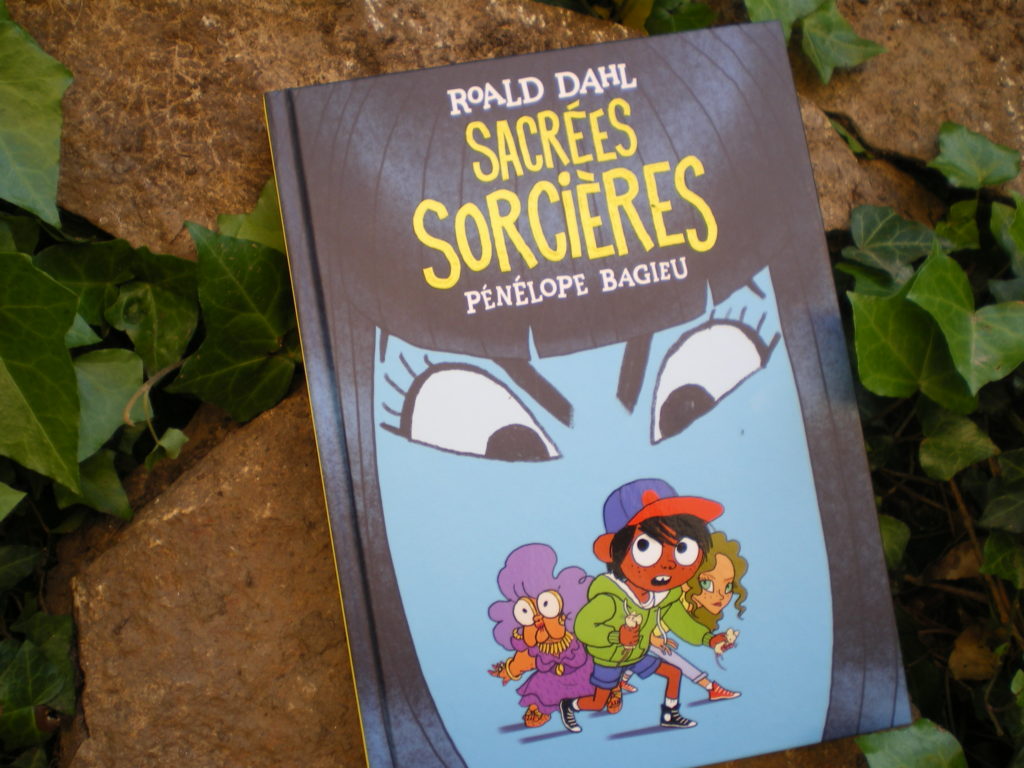
- A graphic novel adaptation of Roald Dahl's witch story, illustrated by Pénélope Bagieu.
- Keeps the humour, invented words and larger-than-life characters of the original.
- Best read aloud from around six or seven, then independently later.
- Witches can be scary; read the first chapters together to judge readiness.
- Artwork underlines pace and tone without making reading heavy.
- A handsome hardback that works well as a gift.
A World of Wicked Witches and Wordplay
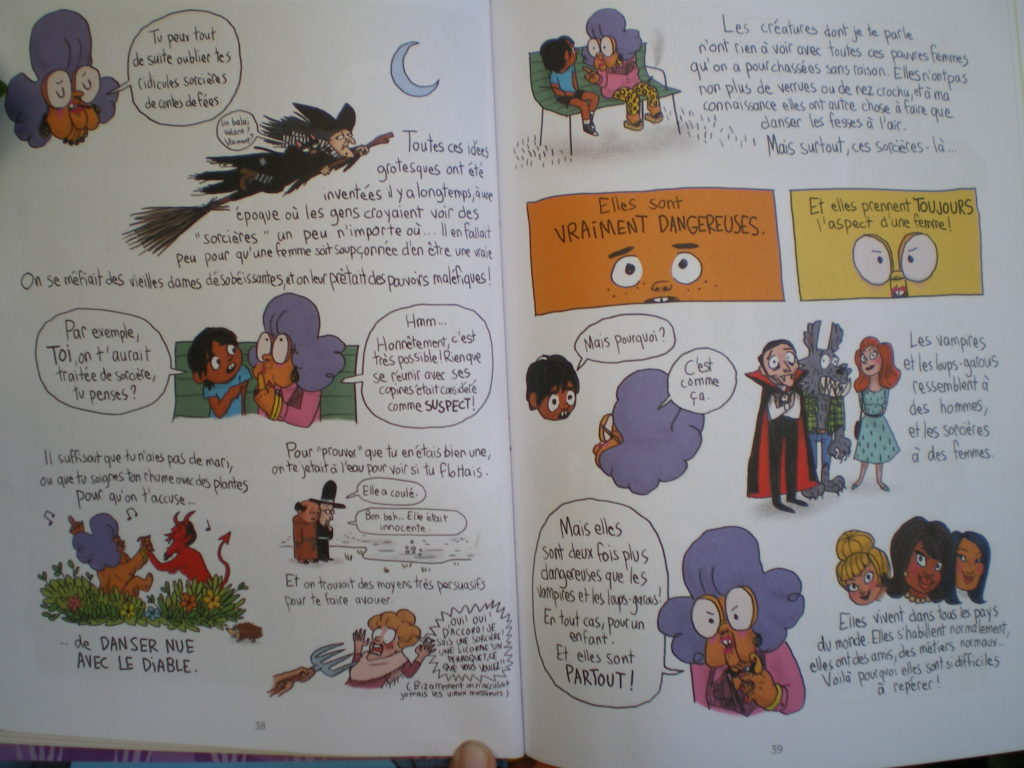
What we enjoyed most is the universe Dahl invented: the famously wicked witches, and above all the terrifying Grand High Witch. Add the delayed-action potion, the eccentric grandmother with her violet hair and her exaggerations, and you have a cast that is impossible to forget. The language is peppered with funny expressions and word games, both from the witches ("Well then, my little pet, are we playing spies?") and from the grandmother ("Nothing but old crusts!"). As usual, Dahl builds a gleefully absurd world with invented words and larger-than-life characters. If your family enjoys that kind of humour, a LEGO Harry Potter set can extend the magic into playtime. For families who love discovering new places together, these natural Europe routes are worth a look.
Mischief, Love and Teamwork
The plot is full of mischief, such as the grandmother being stared at because she seems to talk to herself while her grandson hides in her hair. Friendship and love take centre stage: it is through mutual help and trust that the children and the grandmother outwit the witches' diabolical plan to wipe children off the face of the Earth. The witches can be a little frightening, but the children triumph in the end and beat them at their own game by being far cleverer than they are. That message lands well with young readers, who like seeing the small and the clever win. Parents of little ones may also find our guide to baby hiccups useful.

Pénélope Bagieu's Art Brings the Story to Life
Bagieu's drawings highlight the strong personalities of the characters, the many twists and Dahl's zany descriptions. I especially loved the illustrations of Formula 86, the top-secret anti-child potion made from brown mice, a roast alarm clock baked in the oven, a crab's pincer and a chameleon's tongue. The layout underlines changes of pace and the tones used by each character, without ever making the reading heavy for children. Panels vary in size to slow down a scary moment or speed up a chase, which helps a child follow the rhythm. If you are building a home library, a kindergarten graduation gift of a first graphic novel like this one is a lovely milestone. For families who enjoy creative hobbies together, it is also fun to learn how much a master builder makes, and parents dealing with sciatica in pregnancy will appreciate a calm, read-aloud chapter at the end of the day.
| Reader | Best approach | What to watch for |
|---|---|---|
| Age 6-7 | Read aloud, one chapter at a time | Scary witch scenes |
| Age 8-10 | Shared or independent reading | Wordplay and jokes |
| Reluctant readers | Start with the pictures | Following panel order |
| Adults | Read and admire the art | Nothing, just enjoy |
| Gift givers | Choose the hardback edition | Age of the child |
Reading It Aloud, Then Reading It Alone
This is a book to read aloud from around six or seven, and later to read independently. Adults, you will want to read it as much as look at it. We found it works best in short sittings, one or two chapters at a time, with a pause to talk about the scarier pages. The grandmother is a wonderful character to voice, and children love spotting the jokes in the drawings that the text does not spell out. For families who enjoy talking about feelings and behaviour after a story, conscious parenting offers a gentle framework for those conversations. A big, beautifully bound hardback with a sturdy cover, it also makes a satisfying gift.

Who It Suits and How to Share It
The witches are genuinely creepy in places, so sensitive children may prefer to wait a little. Read the first chapters together and watch for questions; that is usually enough to judge whether your child is ready. The humour and the clever, resourceful children keep the tone from tipping into real fear. Grandparents often make ideal reading partners for this one, since the grandmother is the heart of the story, and a stay at grandparents is a natural moment to share it. Pair the book with drawing sessions, where children invent their own potion ingredients.
Building a Reading Habit Around Favourites
Graphic novels are a great bridge for children who find dense text daunting, and a well-loved author helps. Once a child has finished this one, keep the momentum going with other illustrated stories and a regular library visit. A family plan for May can include a trip to the library or bookshop. If you are expecting another baby, a sibling bond can start early with shared story time, and a new reader in the house is a good excuse to slow down together. Our copy now lives on the shelf next to our other Dahl books, and it gets picked up again and again.

My hands-on take
We read this one over several evenings, and it quickly became a request at bedtime. My favourite part was voicing the grandmother, with all her exaggerations, while my child hunted for the tiny visual jokes hidden in the background of the panels. The Formula 86 page stopped us both in our tracks; we spent a good while naming the ingredients and inventing a few more of our own afterwards.
What surprised me was how the pictures opened up conversation. Instead of racing through, we paused to talk about why the witches were frightening and why the children were brave. That made the scary moments feel manageable. If you are unsure whether your child is ready, read the opening chapters together first and let them lead the questions.
Frequently asked questions
Is Sacrées Sorcières suitable for a six-year-old?
Yes, as a read-aloud, provided you read together and pause on the scarier pages. The witches are creepy in places, so judge by your own child's sensitivity.
Do we need to have read the original novel first?
Not at all. The graphic novel stands on its own and is often a child's first encounter with the story. Readers who love it can move on to the prose version later.
Is the artwork too busy for young children?
The layout is clear and the panels guide the eye well. Children quickly learn to follow the order, and the varied panel sizes help signal changes of pace.
Can it work for a child who dislikes long books?
Yes. The comic format breaks the story into short, visual chunks, which suits readers who find dense text intimidating.
Product Reviews
 Best Toys for Dogs With High Prey Drive |
Best Outdoor Toys for 3-4 Year Olds |
Best Outdoor Toys for 6 Year Olds |
Best Harness for Poodle |
Best LEGO Sets for Adults |
Best Travel Toys for 4 Year Olds on Airplane |
Best Toy Stores in Washington DC |
Best Potty Training Toys |
Best Toys for Tripod Dogs |
Maillot equipe de france







