


Repairing anger is the name for the emotional surge a child needs in order to heal a frustration or a wound. It is not a whim, a manipulation or an attempt to shame you in public. It is the natural movement that restores a child's sense of integrity after something has hurt or blocked them.
Many adults were raised to believe that big feelings are misbehaviour. In reality, it is rarely the frustration itself that damages a child's developing identity. What lingers is the ban on expressing the emotions that the frustration triggered.

This article looks at what parental abuse of power is, why physical or psychological violence never works as education, and how to welcome a child's anger so it can repair rather than fester.
Quick takeaways
- Repairing anger is a healing emotion, not a tantrum or manipulation.
- Abuse of power starts where a child's needs or dignity are disrespected.
- Violence teaches fear and revenge, never understanding.
- What harms identity is forbidding the emotion, not the frustration itself.
- Welcome anger while holding the limit and refusing hitting or insults.
- Name feelings out loud so they do not stay stored as tension.
What parental abuse of power looks like
Abuse of power begins wherever a child is not respected, either in their needs or as a person. Needs here are simple and human: attention, a cuddle, being listened to, being valued. As a person, a child needs freedom, their own judgement and basic dignity.
It is not normal for a parent to obtain obedience by any means available, such as fear, threats, emotional blackmail, deprivation or smothering control. Nor is it acceptable to dispose of a child's body through smacking or other physical punishment. One patient quoted in parenting literature described her own strict upbringing in a single line: "I wasn't well brought up, I was afraid."
Parents who correct children "for their own good" often fail to see the harm. The child cannot be themselves, drifts toward despair and slowly erases their own sense of identity. "It's for your own good" becomes the supreme argument of a parent who cuts off all dialogue, and it is often the dishonesty of that argument, rather than the refusal itself, that provokes opposition.
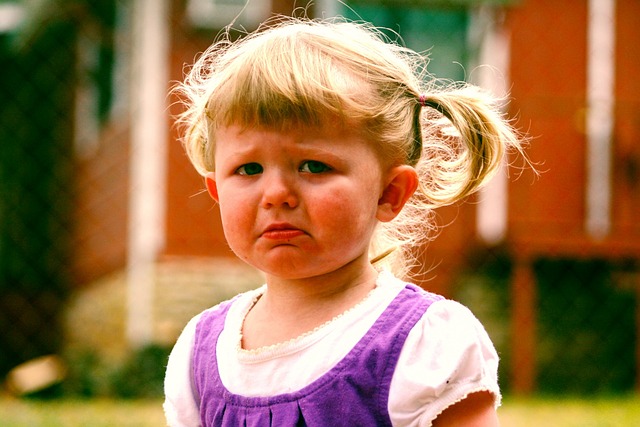
Why violence is never a valid method of education
Violence, even something as "moderate" as a tap on the fingers, damages a child deeply. Whether physical or psychological, through humiliation, blame, criticism or insults, it teaches a child to see themselves as an object rather than a person. It also plants a desire for revenge. It is fair to ask what educational value a smack really has when adults remember the beating but not what justified it.
Violence relies on fear and submission; it never calls on intelligence or on understanding the rules. It also legitimises violence itself as an acceptable way to settle conflict, and it violates children's fundamental rights. Emotional violence such as blackmail, forced isolation or humiliation works the same way. If you want to raise a child who can reason rather than simply obey, the daily climate at home matters more than any single rule. Even small routines, like a calm start to the morning with healthy breakfast routine, shape how safe a child feels. The same principle runs through how to educate children, where respect for the child's pace replaces control.

| Instead of... | Try... | Why it helps |
|---|---|---|
| "Stop crying" | "That's really frustrating" | Names the feeling and validates it |
| Threatening punishment | Holding the limit calmly | Keeps the boundary without fear |
| Smacking or shaming | Staying close and steady | Avoids fear, revenge and humiliation |
| Mocking tears | Allowing the cry to finish | Lets emotion release instead of storing |
| Giving in to end anger | Accepting anger, keeping the no | Frustration stays structuring, not harmful |
What repairing anger actually is
Repairing anger describes the importance of emotional expression in building a child's personality. Anger is an emotional movement. A child's anger should be heard for what it is: a personal affirmation and a repair of integrity, not an accusation against the parents and not a childish whim. It expresses a frustration or a wound.
It is not a wish to test you, push you to breaking point or embarrass you in public. What damages identity is not the frustration itself but the impossibility of expressing the emotions tied to it. If an adult can welcome the anger, the child can heal the wound. Because the anger is heard, recognised as legitimate, accepted and accompanied with words of understanding, the child learns that they can want something without getting it, and keep existing despite the lack.
A simple way to grant the right to desire while putting feelings into words: "It's true, it's really frustrating not to have the sweet you wanted." The same patience applies to everyday care, from growing healthy hair to handling a scraped knee with calming breastfeeding comfort. The same calm attention helps when you keep toys organized at home.

What repairing anger is for
Listening to an emotion is not the same as satisfying every demand. A certain dose of frustration is structuring for identity. But a child who is refused something and is also forbidden to express anger will develop a sense of powerlessness. Parents must recognise fear, sadness, rage and pain so these emotions do not stay stored as tension in the body.
Many symptoms affecting children, teenagers and adults, such as psychosomatic illness, escape into drugs, tics or obsessive patterns, often originate in emotions that were forbidden or unheard. Crying relieves and should never be banned, belittled or mocked. Emotions need to be released or they oppress. They can and should be expressed respectfully, and you can tell a child: you are allowed to be frustrated, and I will not let you hit or insult me.
Anger is not a reaction to be rid of at all costs. It is information. Reading it well helps you respond to what a child truly needs, whether that is reassurance during infant development stages or practical help during a long journey, as with childhood car sickness.

How to welcome anger without giving in
Welcoming an emotion does not mean surrendering the limit. You can hold the boundary and still make room for the feeling. Name what you see, keep your voice steady and stay close. A child who is allowed to be angry without being shamed learns that relationships survive conflict.
This is also why the words adults use matter so much. Casual remarks can wound far more than we intend, which is why it helps to know the things never to say to a tired parent or child. And when the day has been hard, small comforts and honest repair go a long way, much like the relief of grandparent support on a difficult afternoon.
Practical outlets help too. Offer a cushion to squeeze, paper to scribble on or a walk to burn off the surge. Movement gives the body somewhere to put the energy, while your calm presence tells the child the feeling is safe.

My hands-on take
In my own home, the shift came when I stopped treating anger as a behaviour to shut down and started treating it as information. I remember standing in a shop doorway while my child raged about a toy I had refused. My first instinct was embarrassment. Instead I crouched down and said, "You really wanted that, and it's hard." Nothing dramatic happened. The storm passed faster than it usually did, and we walked out together.
What helped most was practising a few steady phrases before difficult moments, so I was not inventing words while my own patience drained. I also learned to check my tone, because a calm limit lands very differently from a sharp one. I am not always calm, and I repair that too. Welcoming anger is a skill you build slowly, and children forgive the imperfect attempts far more readily than we expect.
Frequently asked questions
Is repairing anger the same as letting a child do whatever they want?
No. Welcoming an emotion is different from satisfying every demand. You can keep the limit firmly while accepting the frustration and anger that come with it.
Why is a child's anger not a caprice?
A caprice implies manipulation or a wish to test you. Repairing anger is a genuine emotional response to a wound or frustration, and it helps the child restore their sense of integrity.
What happens if anger is always forbidden?
Emotions that are never heard can stay stored as tension. Over time this may contribute to psychosomatic symptoms, tics or other difficulties, which is why expression matters.
How do I set limits on aggressive behaviour?
Accept the feeling but stop the action. Tell the child they may be angry and that you will not let them hit or insult you, then offer a safer outlet for the energy.
Product Reviews
 Best Toys for Dogs With High Prey Drive |
Best Outdoor Toys for 3-4 Year Olds |
Best Outdoor Toys for 6 Year Olds |
Best Harness for Poodle |
Best LEGO Sets for Adults |
Best Travel Toys for 4 Year Olds on Airplane |
Best Toy Stores in Washington DC |
Best Potty Training Toys |
Best Toys for Tripod Dogs |
Maillot equipe de france







