


Punishments and rewards are often treated as the two default tools of parenting, yet they tend to undermine the very relationship they are meant to protect. When a child is punished or bribed, empathy and personal growth take a back seat, and what remains is a quiet failure of connection.
This article looks at why these old habits persist, what they cost us, and how to respond to difficult behaviour in ways that build trust, cooperation and a genuine sense of "we" rather than "me against you".

Quick takeaways
- Punishments and rewards humiliate and divide, while trust and empathy build connection.
- Every behaviour is an attempt to meet a need, so look for the need first.
- Threats create resistance; encouragement builds competence and belonging.
- The right-or-wrong mindset keeps children dependent on external approval.
- Rules work best when everyone has helped shape them.
- Play and shared routines reduce the friction that triggers punishment.
Why Punishments and Rewards Harm More Than They Help
Trainers in Nonviolent Communication point out that punishments and rewards humiliate, divide and degrade, while reconciliation, cooperation and trust remain within reach. The key insight is that every behaviour, however clumsy or inappropriate, is an attempt to take care of a fundamental need. Once you see the need behind the act, the uselessness of punishment becomes obvious.
When we live alongside children, at home or at school, what we really want is a shared sense of well-being together. Children and teenagers thrive on feeling trusted in their competence, and trust feeds trust just as empathy feeds empathy. Punishments, by contrast, rest on a domination-submission system that quietly teaches violence as an unavoidable ingredient of life.
Love Without Conditions
Every child needs to feel loved without doubt, without condition and without apprehension. How we transmit that love at home carries a social dimension that reaches well beyond the family.
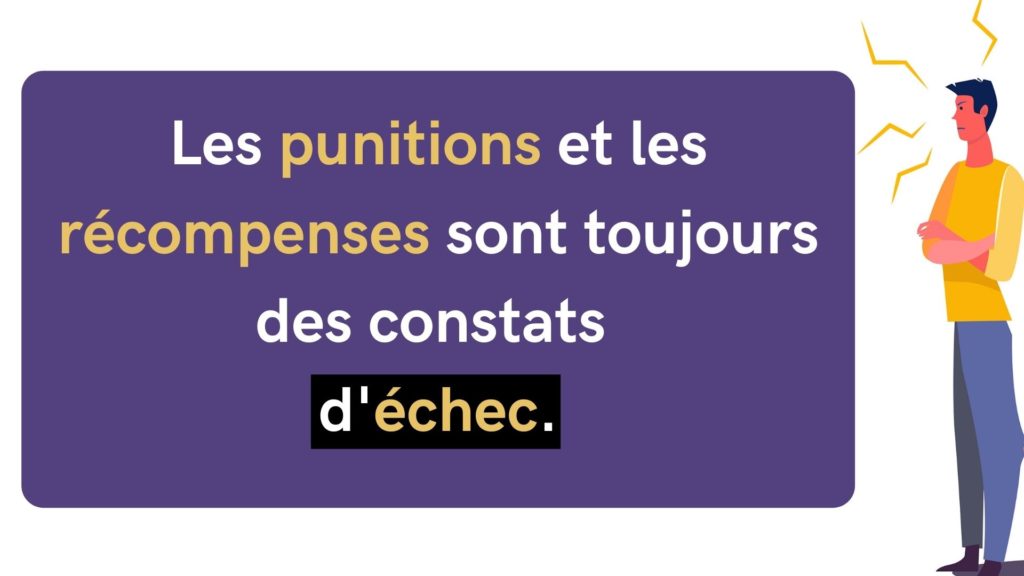
A Punishment or a Reward Is Always a Sign of Failure
This very old system is, in most cases, a tragic admission that the relationship has broken down and a loud signal that the "we" has gone missing. Threatening or punishing children creates tension, resistance and even rebellion, meaning they act against us or outside us. Encouraging them and recognising their competence, whether already acquired or still developing, feeds their sense of belonging to the family, the class and humanity.
That is why they begin to act with us rather than against us. Adults know this instinctively: we all prefer to be treated with empathy, dignity and trust rather than control, threats and moral lessons. Enormous energy is wasted enforcing rules nobody has agreed to, because many dysfunctions grow from a glaring lack of consultation. Without a solid and fruitful "we", people quickly turn on each other.
| Approach | What it teaches | What to try instead |
|---|---|---|
| Threatening a child | That power decides who is right | Name the need behind the behaviour |
| Offering a reward | That effort needs external payment | Recognise effort and progress honestly |
| Enforcing rules alone | That rules are imposed, not shared | Discuss rules and agree together |
| Excluding after a mistake | That mistakes mean rejection | Repair the situation together |
| Moralising after conflict | That the child is the problem | Listen, then problem-solve side by side |
An Ancient System That Is Hard to Outgrow
We struggle to abandon punishment-and-reward thinking because it expresses deeply rooted beliefs. Almost all of us were raised in power struggles built around one question: who is right and who is wrong? Adults generally win, while children, being small and inexperienced, are wrong by default. This disrespectful psychological game creates division and rejection, and it only allows two binary outcomes.
If you are wrong, you deserve to suffer, so you are punished and excluded, since suffering is treated as redemptive. If you are right, you deserve a reward, which feeds the hunger for external recognition and keeps motivation outside the child rather than inside. Both paths pull children away from their own inner drive and joy.
A Better Way to Handle Disagreement
Punishments and rewards damage the bond and sabotage the chance to meet inside a disagreement, to understand one another, to learn and to feel valued in the other's eyes. Punishments simply add exclusion to exclusion and suffering to suffering.
What Punishments Really Teach Children
Punishments illustrate a culture of unhappiness, the idea that we are not here to enjoy ourselves and that learning only happens through pain, rather than a culture of joy. They also normalise power struggles, as in the phrase "it is for your own good that I hurt you". Over time, children absorb the message that relationships are about control rather than cooperation.
For parents looking for calmer routines, small changes matter. Choosing children's clothing choices together, or setting up quiet toys for winding down, gives children a sense of agency without confrontation. Even a calmer bedtime routine reduces the daily friction that so often triggers punishment in the first place.
Building Cooperation Instead of Control
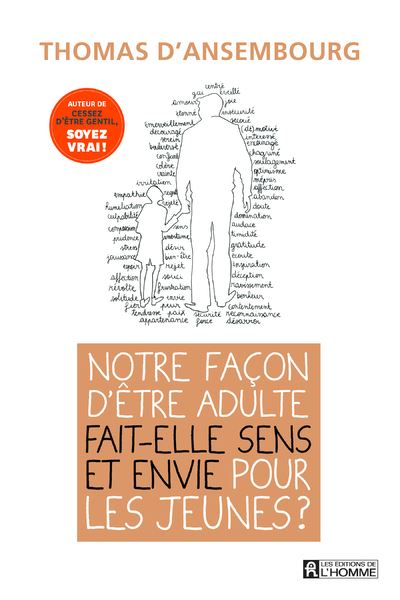
Cooperation grows when rules make sense to everyone and have been discussed rather than imposed. Invite children into the conversation, name the need behind the behaviour, and offer choices you can both live with. This is how trust replaces surveillance and how children learn to act with us rather than against us.
Play is a powerful ally here. Visual acuity games and shared board games teach turn-taking and frustration tolerance, while simple tummy time toys support the earliest stages of focused, calm play. For older children, screen free toys create space for the kind of deep engagement that external rewards can never buy, and vocabulary building books open conversations about feelings and needs.
Structure helps too. A predictable school uniform routine removes one daily battle, and understanding approaches like the Waldorf method can reshape how you think about discipline altogether. Remember that adult authority can be held firmly without threats, and that 10 Best Stocking Stuffer Toys Under offered freely, not as payment, keep the relationship warm.

My hands-on take
I remember the day I stopped using sticker charts. My child had started asking, before doing anything, whether it would earn a sticker, and I realised the joy had quietly drained out of the task. What had begun as encouragement had turned into a transaction, and I was the one holding the purse.
Since then I have tried to slow down and ask what was really going on when behaviour went sideways. It is not always easy, and I still lose my temper sometimes. But naming a feeling, offering a genuine choice, or simply sitting on the floor to play for ten minutes has done more for cooperation in my home than any reward ever did.
Frequently asked questions
Are rewards always harmful?
Rewards are not evil in themselves, but when used to control behaviour they shift motivation outward. A surprise gesture of appreciation is different from a payment for compliance.
What can I do in the moment when I am furious?
Pause and name your own feeling before reacting. Regulating yourself first makes it far easier to respond to the child's need instead of punishing the behaviour.
Does this mean no limits at all?
Not at all. Limits are essential, but they work best when they are explained, discussed and held with respect rather than enforced through fear.
How do I handle repeated misbehaviour?
Look for the unmet need and the missing skill behind the pattern. Then co-create a plan, and repair the relationship when things go wrong.
Product Reviews
 Best Toys for Dogs With High Prey Drive |
Best Outdoor Toys for 3-4 Year Olds |
Best Outdoor Toys for 6 Year Olds |
Best Harness for Poodle |
Best LEGO Sets for Adults |
Best Travel Toys for 4 Year Olds on Airplane |
Best Toy Stores in Washington DC |
Best Potty Training Toys |
Best Toys for Tripod Dogs |
Maillot equipe de france







