


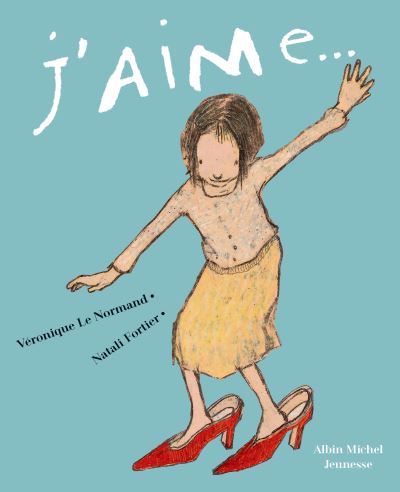
J'aime, written by Minne and illustrated by Natali Fortier, is a children's picture book that celebrates the small, everyday things children love most, the ones that make them feel warm inside.
Each double page pairs a short poetic anecdote with an illustration, moving from tiny pleasures to the great happiness they add up to. The tone is tender, playful and often funny, and it invites readers to recognise their own favourite moments.

Beyond the charm of its pages, the book works as a gentle conversation starter: naming what we love helps children notice good memories and draw strength from them, now and later in life.
Quick takeaways
- J'aime is a picture book by Minne and Natali Fortier celebrating small everyday pleasures.
- Each double page pairs one short poetic anecdote with an illustration.
- The tone is tender, poetic and gently funny, ideal for reading aloud.
- The book invites children to name what they love and share memories.
- Families can collect their own "I like" lists, organised by the five senses.
- Naming small joys helps children build a store of positive memories.
What Makes J'aime So Special
The book is built on a simple idea: little joys, the almost invisible ones, add up to a much bigger happiness. Listing them gives children a store of positive memories they can return to whenever they need a lift.
Because every double page offers one short anecdote and its illustration, the reading rhythm stays light and unhurried. There is no plot to follow, so a child can dip in anywhere and stop whenever attention wanders.
The writing is full of poetry and tenderness, but humour keeps it from feeling sugary. That balance makes it an easy read-aloud for bedtime, and a natural companion to other children's movies that teach gentle lessons about feelings.

A Collection of Joys, Big and Small
The publisher's summary captures the spirit well: it is a collection of joys and pleasures, of great and small happiness, of good memories and emotions renewed at every page. One example has a child climbing onto a chair at the end of dinner to announce, "Be quiet everyone, I'm going to recite a poem."
Other pages are just as recognisable. A child likes pressing their face against the cold window and drawing a heart in the condensation with their nose. Another likes collecting shells on the beach while a parent invents playful roles. Someone likes stroking behind their ear and gently pulling the lobe, or keeping a photo of their dog hidden in a pencil case and glancing at it during class.
These are not grand adventures; they are the texture of ordinary family life. Reading them aloud often triggers the same quiet recognition you get from a familiar family photo album, and it pairs beautifully with our illustrated books for shared reading.
Sometimes the simplest moments are the hardest to put into words, which is why it helps to remember why easy things can feel so difficult.

| Sense | Prompt to ask | Example answer |
|---|---|---|
| Sounds | What noise makes you happy? | Rain on the window |
| Tastes | What food do you love? | Warm bread |
| Touch | What feels nice to touch? | A soft blanket |
| Smells | What smell feels good? | Fresh laundry |
| Sight | What do you like looking at? | Clouds shaped like animals |
Why Children Respond to This Book
Every child, and every parent, will find something here that speaks to them. A page may make you smile without noticing, or prompt a story of your own. You may hear "Oh yes, me too, I love that!" or "I used to do that when I was little."
Sometimes the reaction goes the other way: "No, I don't do it like that, I prefer this instead." That is just as valuable, because it shows a child comparing their own habits and tastes with someone else's, a small step in building a sense of self.
The book also opens the door to trying new things: "What if we tried that?" It works best when read together, slowly, with room for interruptions, much like sharing a fun family afternoon rather than rushing through a task. Children often ask big questions about growing up, just as one little girl did when she wrote to Zara, and they notice affection too, much like the celebrities who kiss their children on the mouth.

Turning the Pages into a Family Conversation
The simplest use of J'aime is as a prompt: and you, what do you like? Each person contributes a small anecdote or memory, and the family goes on a hunt for more "I like" moments. Why not write them down and create a "J'aime" book for every member of the family?
One way to organise the hunt is to go by the senses. List the sounds and noises you love, the tastes you enjoy, the materials and objects that feel good to touch, the smells that make you feel well, and the things that are pleasant to look at.
This sense-by-sense approach keeps the conversation going and gives quieter children a structure to lean on. It pairs nicely with other reflective rituals, such as a good father moment at the end of the day when each person names one thing they loved.
A Gentle Tool for Everyday Wellbeing
Naming small pleasures is not just a game. It trains attention towards what feels good, which can be a steadying habit on harder days. A child who knows how to notice a warm jacket, a favourite sound or a friendly message has a resource they carry with them.
Parents can model this by sharing their own examples first, including ordinary ones. There is no need for big events; the book shows that a heart drawn in window condensation counts just as much as a holiday.
Keep the tone light and never turn it into a test. If a child shrugs, offer one of your own memories and move on. The point is connection, not performance, and the same relaxed spirit helps with everyday routines like choosing a children's comb or getting ready for bed.

Reading It Aloud: Practical Tips
Read one or two double pages at a time rather than the whole book in one sitting. Pause after each one and ask an open question, then let the answer go wherever it leads.
Keep a small notebook nearby so you can jot down the "I like" statements that come up. Later, you can revisit them together, which turns a single reading into an ongoing family project.
The book also makes a thoughtful gift for grandparents, who often enjoy sharing their own childhood memories. Pair it with a simple craft or drawing activity, or with a Montessori climbing session afterwards so children can move after sitting still.

My hands-on take
When we first read this book together, I expected a quick bedtime story. Instead, we stopped on nearly every page because my daughter wanted to tell me about the things she loved, and I found myself doing the same. We ended up with a messy list on the back of an envelope: the sound of the kettle, the smell of rain, a particular soft jumper.
What stayed with me was how easily the conversation moved from the book to our own lives. We did not need any preparation or special materials, just a few minutes and a willingness to listen. Since then, we occasionally add a new "I like" to the envelope, and reading it back has become a small ritual of its own.
Frequently asked questions
What age is J'aime suitable for?
It suits young children who enjoy picture books and short read-alouds, and it works well as a shared reading experience with a parent. Older children can use it as a prompt for their own lists.
Is the book a story or a collection?
It is a collection rather than a single narrative. Each double page presents one short anecdote with an illustration, so it can be read in any order.
How can I use it at home?
Read a page or two together, then ask your child what they love. Write down the answers and build a family "I like" book over time.
Does it need to be read in one sitting?
No. Reading one or two pages at a time keeps attention fresh and leaves room for conversation, which is where much of the value lies.
Product Reviews
 Best Toys for Dogs With High Prey Drive |
Best Outdoor Toys for 3-4 Year Olds |
Best Outdoor Toys for 6 Year Olds |
Best Harness for Poodle |
Best LEGO Sets for Adults |
Best Travel Toys for 4 Year Olds on Airplane |
Best Toy Stores in Washington DC |
Best Potty Training Toys |
Best Toys for Tripod Dogs |
Maillot equipe de france







