


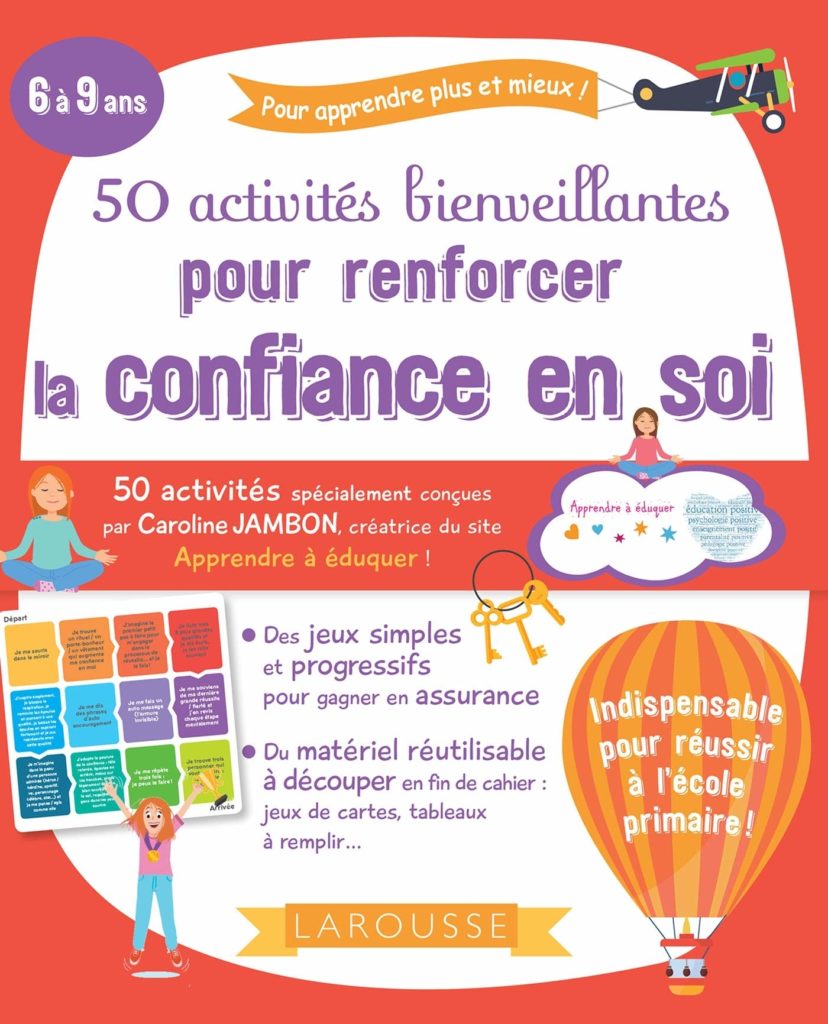
Confidence-building activities for kids are one of the most requested topics among parents, and a well-made activity book can make the job easier. This one gathers games and exercises designed to help children from around age 6 develop trust in themselves, and it has kept earning a warm welcome from families since it first appeared.
The collection is aimed at children roughly 6 to 9 years old, yet most of the activities stretch comfortably up to age 12 with a little adaptation. The book is organised around five clear pillars, from knowing your strengths to leaning on outside support.

Quick takeaways
- Aimed at roughly ages 6 to 9, with most activities adaptable up to 12
- Built around five pillars: strengths, body awareness, capability, failure, outside support
- Short games that need no special equipment or preparation
- Best used in short sessions the child chooses, never as homework
- A supplement to family life, not a replacement for professional support
Why a confidence activity book still earns its place
A good activity book is not a workbook to be filled in and forgotten. It is a set of small, repeatable experiences that let a child practise being capable in a low-pressure setting. That is why a title like this one keeps circulating by word of mouth long after its release: parents pass it on because the exercises are easy to slot into an ordinary afternoon.
The format matters too. Short games suit short attention spans, and a child who finishes one small challenge carries a bit of momentum into the next. If you are building a shelf of resources for family time, it sits naturally beside other hands-on picks such as the best toddler toys for younger siblings or a rainy-day screen time limits plan for the evenings.
What makes it usable at home
No special equipment, no long preparation, and no need for a parent to become a therapist. You open a page, read the prompt together, and let the child lead.

Knowing your strengths
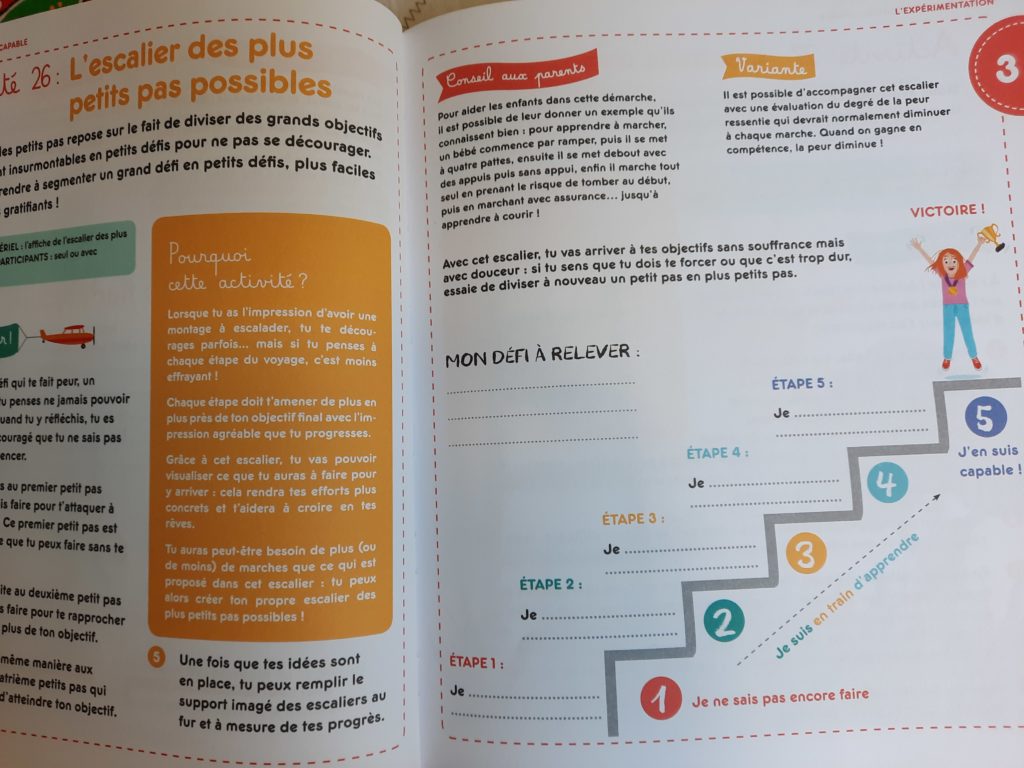
The first pillar asks children to notice what they are already good at. Naming a strength out loud is surprisingly hard for a child who has learned to focus on mistakes, so the activities break it into small, concrete steps: a skill, a moment, a person who noticed.
This pairs well with everyday conversation. Asking a child what went right today is a tiny habit, and it works alongside other reflective moments, such as explaining why siblings' names get mixed up in a busy house — see confusing children's names — because both remind a child that adults are paying attention.
Listening to and using the body
The second pillar turns attention to physical sensation: breathing, posture, movement, rest. Children who can read their own body signals cope better with big feelings, and the games here make that reading feel like play rather than instruction.
| Pillar | What the child practises | Simple at-home version |
|---|---|---|
| Knowing your strengths | Naming skills and good moments | Ask what went right today |
| Listening to the body | Reading physical signals | Breathing and movement games |
| Feeling capable | Doing something unaided | Give one real household job |
| Facing failure | Trying again after a miss | Talk through a small mistake |
| Using outside support | Knowing who to turn to | Name three trusted people |
Knowing you are — and making yourself — capable
The third pillar is about agency. A child who has experienced “I did this myself” has evidence to draw on the next time something looks difficult. The activities are deliberately small: a task completed, a decision made, a problem solved without an adult stepping in.
Outdoor and practical moments are ideal for this. Preparing for the walk to school, for instance, gives a child a real job to own — the ideas in school route preparation fit neatly here. Physical play does the same work, and pool games for children, as gathered in pool games children, let a child test their own limits with an adult nearby.
Getting past the fear of failure
This is often the section parents turn to first. The message is not that failure does not matter, but that it is information rather than a verdict. Trying, missing, adjusting and trying again becomes a routine the child can recognise.
Leaning on outside resources
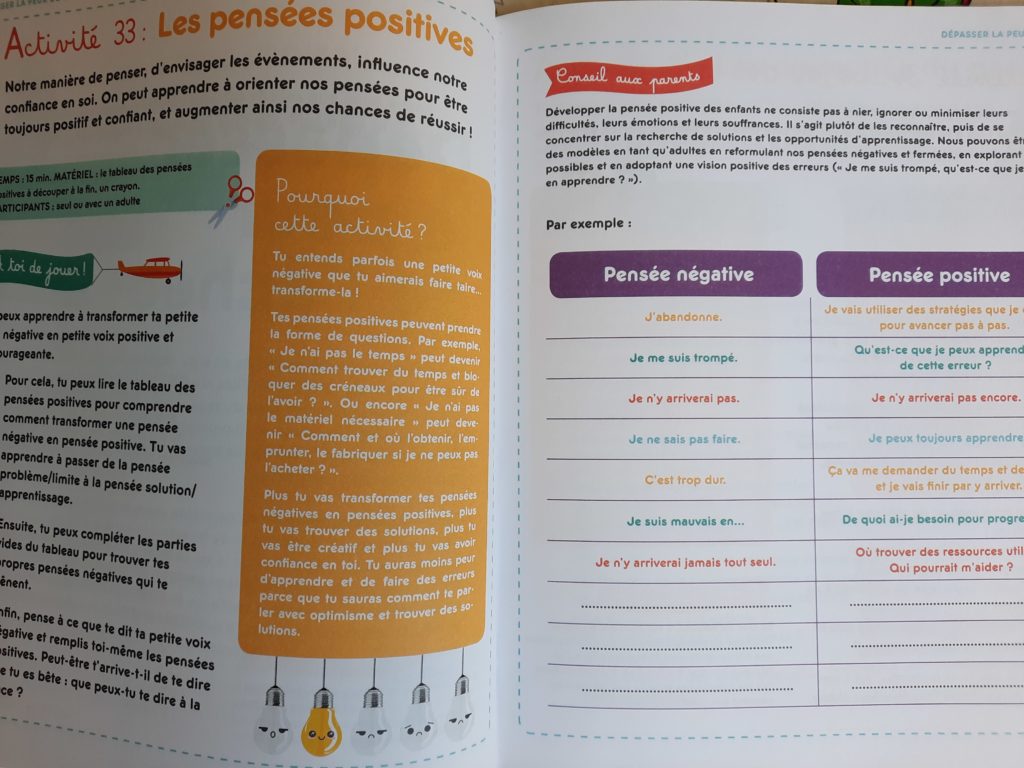
The final pillar widens the frame: confidence is not built alone. Children are encouraged to identify the people, places and routines that steady them — a grandparent, a teacher, a favourite corner of the house. Knowing where to turn is itself a skill.
This connects to the wider world of family life. Outings are a good training ground, and the practical advice in baby's first outings translates well to older children who are learning to handle new places. Language practice offers the same lesson in miniature: online games and activities in English for children online reward a child for trying out loud, mistakes included.
Using the book without turning it into homework
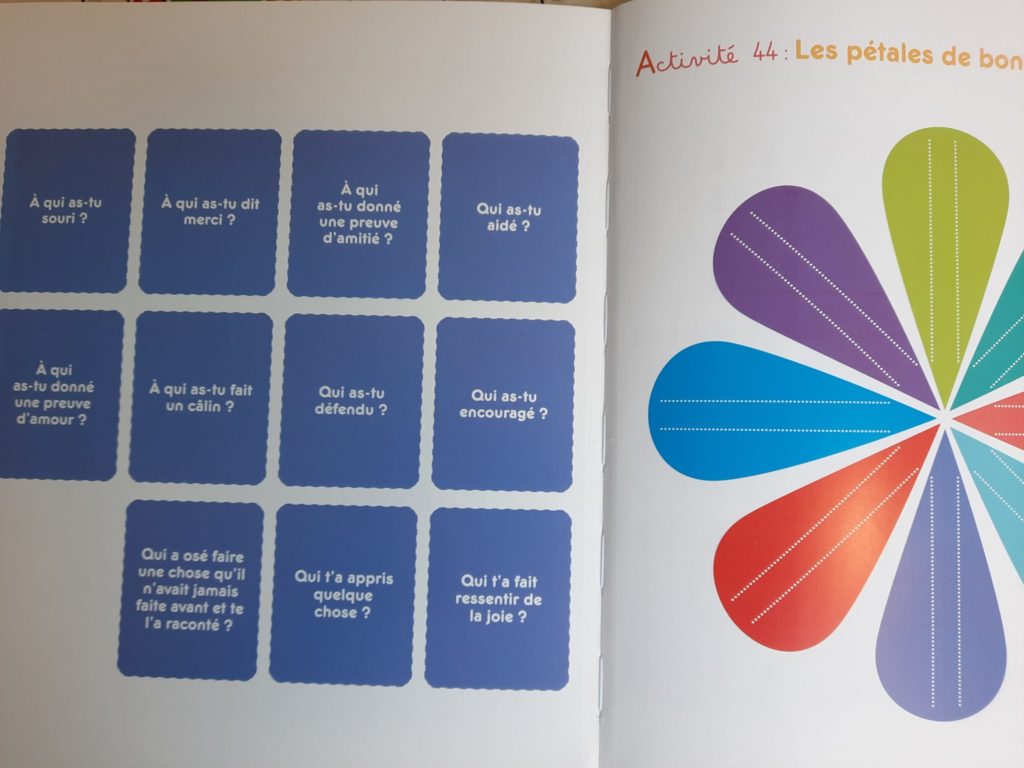
Keep sessions short, let the child choose the page, and stop while it is still fun. A book about confidence should never become one more thing to be graded on.
Choosing activities that suit your child
Not every page will fit every child, and that is fine. A child who is cautious physically may take to the body-awareness games slowly, while a child who is hard on themselves may want to skip straight to the failure section. Follow the interest rather than the table of contents.
It also helps to think about the wider balance of play. A shelf that mixes open-ended toys, creative prompts and a few guided activities gives a child more than one route to feeling competent — the kind of mix you would look for in Christmas gifts or when browsing toy stores San Jose for something that will actually get used.
When to bring in more support
An activity book is a supplement, not a substitute. If a child's anxiety or self-criticism is persistent and affecting daily life, speak with a paediatrician or school counsellor.


My hands-on take
I have used this kind of book at home with mixed results, and the difference always came down to timing. When I sat down with a plan and a page number, my child lost interest within minutes. When I left it on the table and waited for a curious look, we often ended up talking for half an hour.
The section on failure was the one that landed. We started using a small phrase at dinner — “what did you try and miss today?” — and I answered first with something of my own. That seemed to matter more than any exercise in the book. My advice: treat the pages as prompts for conversation, not tasks to complete, and let the child set the pace.
Frequently asked questions
What age is this activity book for?
The collection targets children around 6 to 9 years old, but most of the games and exercises can be adapted for children up to about 12 with a little adjustment.
Do I need any special materials?
No. The activities rely on conversation, movement and everyday objects, so a parent can open a page and start without preparation.
Can it help a child who is very hard on themselves?
It offers gentle, repeated practice at seeing mistakes as information rather than failure, which many parents find useful. If self-criticism is persistent and disruptive, seek advice from a professional.
How often should we use it?
Little and often works better than long sessions. A few minutes when the child is willing, with the child choosing the page, keeps it enjoyable.
Product Reviews
 Best Toys for Dogs With High Prey Drive |
Best Outdoor Toys for 3-4 Year Olds |
Best Outdoor Toys for 6 Year Olds |
Best Harness for Poodle |
Best LEGO Sets for Adults |
Best Travel Toys for 4 Year Olds on Airplane |
Best Toy Stores in Washington DC |
Best Potty Training Toys |
Best Toys for Tripod Dogs |
Maillot equipe de france







