


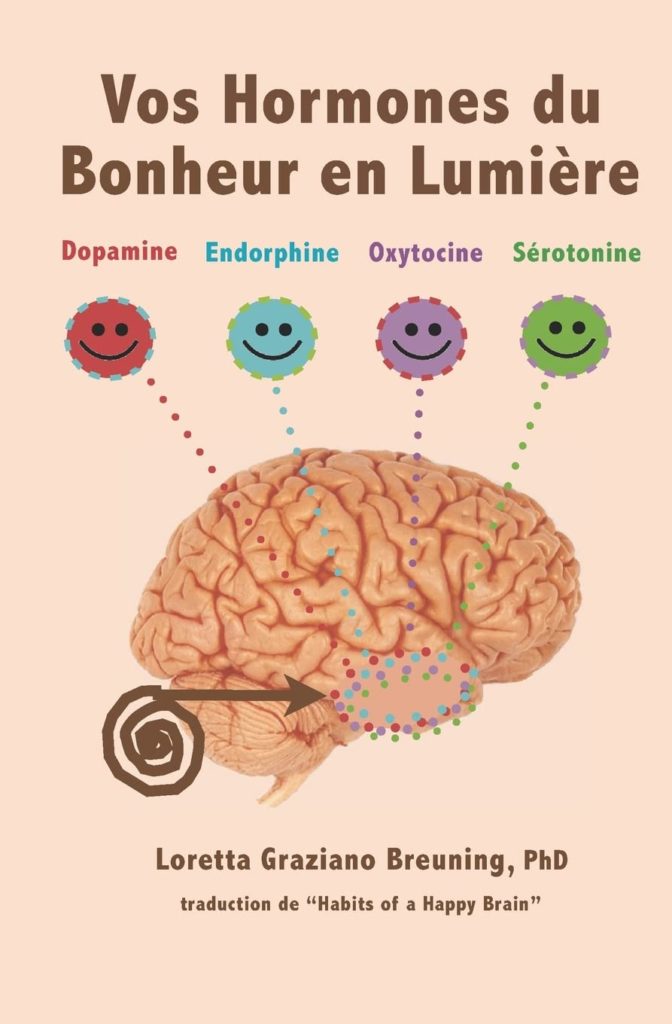
The four happiness hormones are dopamine, endorphins, oxytocin and serotonin, and understanding them can change how you support your child's emotional wellbeing. These molecules are called "happiness hormones" because they come with pleasant sensations and emotions, yet their deeper purpose is to increase our chances of survival.
Your feelings are unique, but the molecules carrying them are the same in everyone. Once you understand how these hormones work, you can build new circuits of wellbeing through simple, repeated habits, both for yourself and for the children you raise.

Quick takeaways
- The four happiness hormones are dopamine, endorphins, oxytocin and serotonin.
- Dopamine responds to small, frequent wins rather than one big success.
- Ten minutes a day on a realistic goal turns dreams into action.
- Endorphins come from movement and shared laughter.
- Oxytocin grows through touch, eye contact and belonging.
- Serotonin rises when effort is noticed and children contribute.
What the happiness hormones actually do
According to Loretta Breuning, professor emerita of management at California State University, human happiness hormones exist to boost our survival odds. They feel good because they reward behaviours that kept our ancestors alive, such as finding food, bonding with a group or recovering from effort.
Every brain works toward its own survival, even though each life experience is unique. That shared machinery means you can deliberately shape new habits, and the same is true for children learning to communicate effectively their needs and feelings.
Why habits matter more than moods
Because the molecules are universal, the levers are too: small repeated actions, not occasional treats. Keep that principle in mind as you read about each hormone below.
Dopamine: the hormone of reward and achievement
Dopamine evolved to release energy when we are about to meet a vital need. Our ancestors moved slowly while searching for food until they spotted something interesting, and that "I search, I find" process triggered dopamine and gave the signal to act, whether picking, hunting or fishing.
Mammal brains constantly scan the environment for potential rewards, and dopamine is the signal that one has been found. It also stores the information that led to the pleasant feeling, so the hope of a reward drives the search next time. Solving a maths problem works the same way: when the answer is right, you feel "I did it!", which momentarily cancels the effects of distress hormones like cortisol.
Building dopamine circuits
Say "I succeeded" as often as you can. Find one small win each day and celebrate it, even mentally, staying in touch with the positive emotion. For young people, wins can be at school or outside it, such as sport, art, helping at home or friendship, which is why encouraging creativity and solid learning strategies both pay off.
Celebrating each step releases more dopamine than saving everything for one big success. You will not open champagne daily; you simply allow yourself the feeling that comes with scoring a goal. Celebrate what you create for yourself rather than beating someone else.

| Hormone | What it rewards | Simple daily action |
|---|---|---|
| Dopamine | Reward and achievement | Celebrate one small win out loud |
| Endorphins | Effort and recovery | Move, walk or laugh together |
| Oxytocin | Trust and bonding | Hug, greet and share a meal |
| Serotonin | Respect and calm | Notice effort and give responsibilities |
Turning dreams into decisions and action
Instead of dreaming about a goal from afar, gather the information needed to set up a realistic project. Devote ten minutes a day to a realistic, reachable, tangible objective, using the time to research the steps required.
When the ten minutes are up, return to real life and avoid the habit of focusing all your attention on the future. This rhythm suits children too, for instance when they practise gross psychomotor skills or work on a hobby step by step.
Break a dreaded chore into steps
Everyone has a chore they keep postponing. Commit to ten minutes on it, without needing a ready-made solution, just the willingness to move forward bit by bit. When a task feels insurmountable, we never start; splitting it into small pieces and capping the effort at ten minutes builds a sense of competence and the "I did it" feeling.
Readjusting goals also helps: smaller targets are easier to reach, which activates dopamine through reward. The same logic applies to family routines, from tidying up to behaviours with your child around responsibilities.
Endorphins: the hormone of effort and recovery
Endorphins are the body's natural pain relievers, released during physical exertion and afterwards. They explain the pleasant tiredness after a long walk, a swim or a good laugh, and they mask discomfort so we can keep going when survival demands it.
For children, movement is the simplest route: crawling, climbing, running and dancing all invite endorphin release. If you want ideas for the earliest months, these toys to encourage crawling support that natural drive to move.
Laughter as a shortcut
Shared laughter is one of the easiest endorphin triggers available to any family, and it costs nothing. A silly game, a favourite story or a tickle session after dinner does the job.

Oxytocin: the hormone of trust and bonding
Oxytocin builds trust and social safety. It is released through touch, eye contact, kind words and the experience of being part of a group, which is why a hug after a difficult day can settle a child faster than a lecture.
The father's role matters here as much as the mother's, and the father's role in the first years shapes this sense of security. Everyday care routines, such as the pacifier questions at bedtime, are also chances for closeness.
Small rituals of connection
A morning greeting, a shared meal, a hand on the shoulder while talking: these repeated gestures tell a child "you belong here". Keep them simple and regular rather than grand.
Serotonin: the hormone of status and calm
Serotonin is linked to the feeling of being respected and secure within a group. It rises when we feel seen, when our effort is acknowledged and when we sense that we matter to others, which is why recognition matters so much for children.
Parents can support this by noticing effort out loud, giving children real responsibilities and letting them contribute to family life. Even small choices, like letting him choose his clothes, send the message that his preferences count.
Calm routines and structure
Predictable routines, clear expectations and moments of quiet all help serotonin settle. For parents juggling work and family, teleworking with children becomes far easier when the day has a visible shape.

My hands-on take
I started the ten-minute rule after reading about dopamine, mostly out of curiosity. The first thing I tried was the drawer nobody wanted to open, and I set a timer. Ten minutes later it was half sorted, and I genuinely felt that small "I did it" lift.
With my children, the change was the daily win. At dinner we each name one thing we managed that day, however tiny. It felt awkward for a week, then it became the part of the meal everyone waits for. I also learned to celebrate what they make rather than who they beat, which quietly changed the tone of homework time.
Frequently asked questions
Are these hormones really "happiness hormones"?
They are called that because they come with pleasant sensations, but their deeper purpose is to support survival. They reward behaviours that kept our ancestors alive.
Can children build these circuits too?
Yes. The molecules are the same in every brain, so repeated small habits work for children as well as adults. Celebration, movement and connection are the main levers.
How long should I spend on a goal each day?
Ten minutes a day on a realistic, tangible objective is the suggested rhythm. Then return to daily life instead of living in the future.
Why break a chore into steps?
A task that feels insurmountable stops us from starting. Small steps capped at ten minutes build competence and the "I did it" feeling.
Product Reviews
 Best Toys for Dogs With High Prey Drive |
Best Outdoor Toys for 3-4 Year Olds |
Best Outdoor Toys for 6 Year Olds |
Best Harness for Poodle |
Best LEGO Sets for Adults |
Best Travel Toys for 4 Year Olds on Airplane |
Best Toy Stores in Washington DC |
Best Potty Training Toys |
Best Toys for Tripod Dogs |
Maillot equipe de france







