


Newborn needs at birth are simpler and more powerful than many parents expect: warmth, closeness, food and a calm presence. Understanding these needs helps you respond with confidence rather than guesswork.
This article looks at what a newborn can and cannot do, how early experiences are stored in implicit memory, and why the first hours and weeks matter so much. It also explains what happens during labour and what genuinely soothes a baby in the days that follow.

Quick takeaways
- Newborns sleep 16 to 20 hours a day and have uncoordinated movement.
- Archaic reflexes such as rooting and Moro support survival early on.
- Early repeated experiences are stored as implicit expectations.
- Reducing maternal stress during labour benefits the baby.
- Skin-to-skin and free feeding matter in the first hours.
- Quick, consistent soothing builds a positive early sense of self.
What a Newborn Is Really Like
At birth, a baby's sight is poorly developed, the head cannot yet be held up, and sleep takes up most of the day, often between 16 and 20 hours. Movements are uncoordinated because the nerves are not yet myelinated: myelin is the sheath that develops over the first months and allows faster nerve communication and better motor control.
The newborn does not yet know its own body. The Moro reflex, which makes the arms fling outward when a strong stimulus startles the baby, can frighten the baby itself. A set of archaic reflexes (Moro, stepping, grasping, rooting) steers behaviour toward survival until the nervous system matures. Rooting, for instance, turns the head automatically when the cheek is touched, helping the baby find the breast despite poor vision. There is also no day/night rhythm yet, which is why newborn sleep patterns can feel so unpredictable.
From birth, babies are highly sensitive to non-verbal messages around them, especially tension or calm. Repeated early experiences are stored as automatic expectations about the world and about how they deserve to be treated. Damasio calls these "background emotions", a tone attached to the feeling of being alive, and they form a kind of psychic "home" the person later seeks to recreate.
Needs During Labour
During labour, anything that lowers maternal stress benefits the baby. That is the logic behind birth preparation in all its forms, from a visit to the maternity unit beforehand to classes of any style: classic preparation, water sessions, prenatal singing, prenatal yoga, haptonomy or hypnosis. A reassuring but non-invasive presence, and giving birth in a familiar, small, dimly lit place, also reduces the mother's stress. As juggling many roles shows, calm support helps.
Michel Odent reminds us that a labouring woman mainly needs privacy, the feeling of not being watched, and silence. If someone talks to her, her prefrontal cortex is solicited, whereas physiological birth relies on the archaic brain releasing a cocktail of hormones that reduces pain and supports mother-baby attachment.
Practical preparation matters too. Packing calmly, knowing the route, and agreeing in advance on who stays in the room all protect the quiet atmosphere. If you are still choosing a hospital, reading about delayed cord clamping beforehand can help you ask informed questions on the day. Even celebrity recovery stories can reassure expectant parents.

| Newborn need | What it looks like | How parents can respond |
|---|---|---|
| Warmth and contact | Baby settles when held close | Skin-to-skin, calm room, minimal handling |
| Feeding | Rooting, seeking the breast | Free feeding, follow baby's cues |
| Soothing | Crying, startles, tension | Quick response, holding, calm voice |
| Quiet environment | Overstimulation, distress | Dim light, silence, privacy |
| Repair after rupture | Parent loses patience | Return calmly, reconnect |
The First Hours After Birth
After birth, the newborn seems to need above all skin-to-skin contact, particularly with the mother whose voice and smell are already familiar, and a feed: free feeding in which the baby searches for and finds the breast alone. Skin-to-skin contact in the two hours following birth has a positive impact on the quality of mother-baby interactions observed at one year. Skin-to-skin can also be done with the father, for example after a caesarean.
These early hours may therefore have a decisive impact on how the mother-baby relationship begins. Keep the room calm, delay unnecessary handling, and let the baby set the pace. Parents who are separated from their baby for medical reasons often carry grief and worry; support for perinatal grief is worth knowing about, even when the situation is less severe than loss.
What Soothes a Newborn
The newborn is very dependent and tolerates little frustration or discomfort. The continuous, reassuring presence of the mother is essential to settling. Early experiences, meaning the way the people around the baby respond to its needs, are stored in implicit memory. A quick, effective response to a crying baby gives an implicit sense of competence: a first positive impression of itself and of the world, which are not yet well differentiated at this stage.
Conversely, repeated deficiencies and neglect in soothing an infant are experienced as an interruption of the emerging sense of continuity of being and as a deep flaw in the implicit representation of the self. This does not mean every delayed response is harmful; it means patterns matter more than single moments.
Practical soothing tools include holding, swaddling, gentle movement and a calm voice. Tummy time, once the baby is a little older and awake, builds strength; see tummy time toys for ideas. Parents coping with their own stress may find calming sports a useful outlet. For cozy family moments at home, fun pajamas can help everyone relax.

Repairing Moments of Disconnection
No parent responds perfectly all the time. What matters is repair: noticing a moment of rupture and returning to the baby with calm and presence. Acknowledging the break, holding the baby again, and slowing your own breathing all help restore the sense of continuity the newborn relies on.
This is also why caring for the caregiver is not a luxury. A parent who is exhausted or isolated has less room to respond patiently. Accepting help, sleeping when possible and talking about difficult feelings protect the relationship. If you are returning to work, planning the transition gently can reduce stress for everyone; these apps for busy parents may help you organise the day.
Play and stimulation come later, but even now, talking, singing and simple interaction matter. As the baby grows, motivating young children starts with this same responsive foundation.
My hands-on take
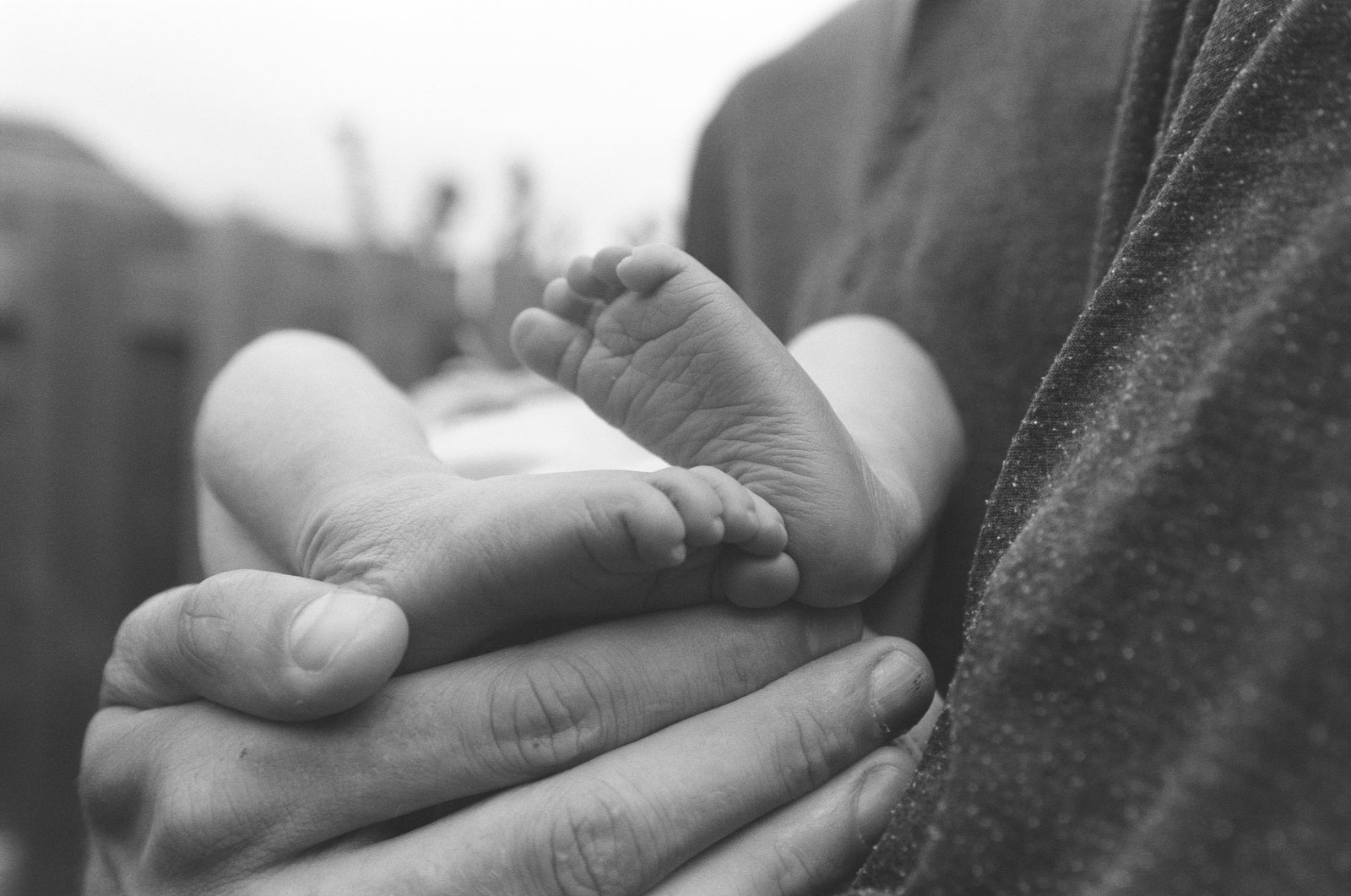
When my first child was born, I remember being surprised by how much the room itself mattered. Visitors, bright lights and constant conversation seemed to unsettle my baby, while a dim, quiet corner helped us both settle. What helped most was not a technique but slowing down: holding my baby close, breathing out, and waiting a moment before doing anything.
I also learned that repair is real. There were evenings when I was too tired to be patient, and I would come back later, hold my baby again and simply be present. Those small returns felt more useful than trying to be perfect. If I could offer one piece of hands-on advice, it is to protect the calm around the first days and to accept help so you have room to respond gently.
Frequently asked questions
How much does a newborn sleep?
Most newborns sleep between 16 and 20 hours a day, in short stretches. Day and night rhythms are not yet established, so this pattern is normal.
Why does my baby fling its arms when startled?
This is the Moro reflex, one of the archaic reflexes present at birth. It can frighten the baby itself, so a calm, containing hold helps.
Is skin-to-skin only for mothers?
No. Skin-to-skin can also be done by the father, for example after a caesarean. It supports closeness and settling.
Do I have to respond to every cry instantly?
The goal is a generally quick, consistent response rather than perfection. Patterns of care matter more than any single moment.
Product Reviews
 Best Toys for Dogs With High Prey Drive |
Best Outdoor Toys for 3-4 Year Olds |
Best Outdoor Toys for 6 Year Olds |
Best Harness for Poodle |
Best LEGO Sets for Adults |
Best Travel Toys for 4 Year Olds on Airplane |
Best Toy Stores in Washington DC |
Best Potty Training Toys |
Best Toys for Tripod Dogs |
Maillot equipe de france







