


The list writing game is a simple emotional and creative exercise that invites every family member to note down the things that matter most to them, one prompt at a time. It borrows from a long tradition of enumeration: writers have long used lists to capture the world, and centuries ago a Japanese court lady named Sei Shônagon composed famous lists of "splendid things," "painful things" and "impatient things."
This version is designed for children aged six and up, and works best when adults play too. There are no right answers and nothing to grade, which is exactly why it can open a genuine heart-to-heart conversation.

Quick takeaways
- Lists let children express feelings without the pressure of full sentences.
- Reading aloud is always optional; a private answer is still a valid answer.
- Never tease or force a child to share a list they want to keep.
- Adults should write too, modelling honesty and curiosity.
- Short, concrete prompts work best with younger children.
- A shared notebook turns the game into a lasting family ritual.
Why lists are such a powerful writing tool
Enumeration is one of the oldest creative devices there is. Poets have built entire pieces from lists of unrelated things, and the form still works because it is loose, playful and forgiving. A list does not demand perfect sentences or spelling, so a child who feels shy about writing can still take part.
For families, the real value is emotional rather than literary. Writing a list slows a child down and asks them to notice what they actually feel, like, fear or hope for. That quiet noticing is the first step toward putting feelings into words, a skill that grows with practice, much like the patience required when you are making towers together and learning to start again after a collapse.
You do not need any special equipment: paper, pencils and a little time are enough.

How to play the list writing game
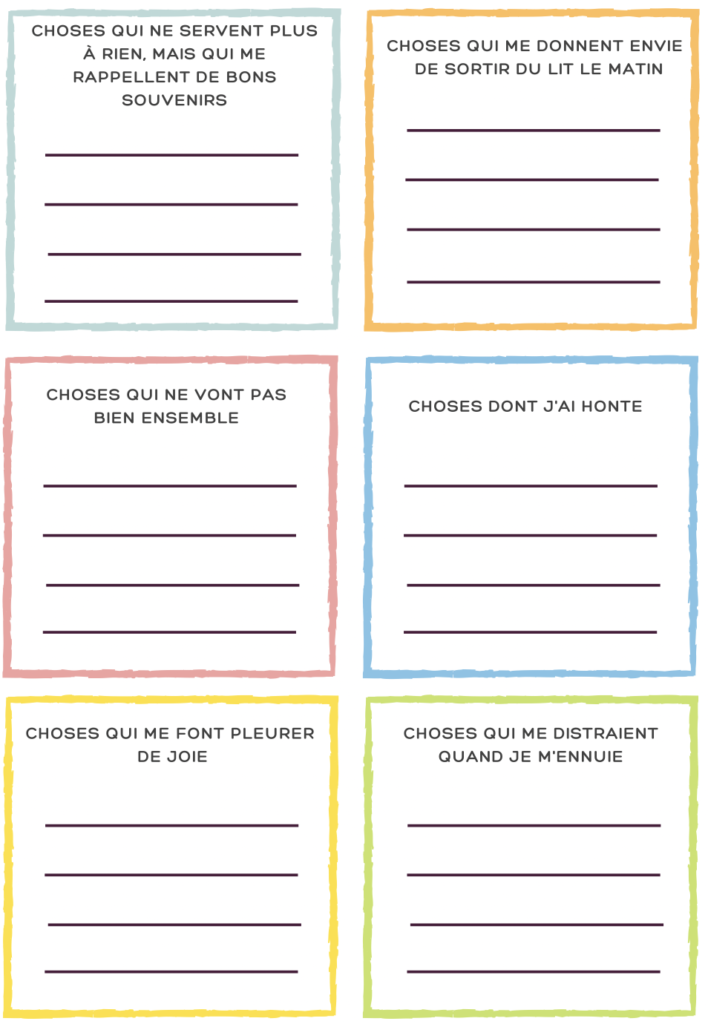
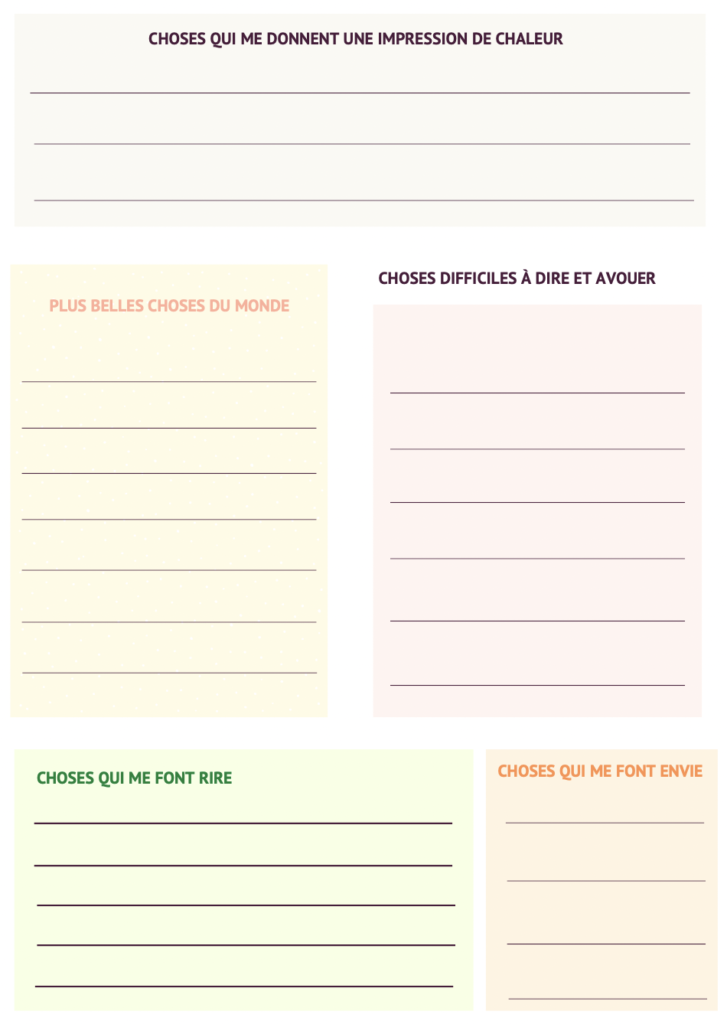
Print or copy a set of prompts and let each person choose the ones they want to answer. Prompts can be gentle and concrete ("things that make me laugh") or a little deeper ("things I find hard to say"). Everyone writes at their own pace, and nobody has to finish every list.
When the writing slows down, invite anyone who wants to read a list aloud. Reading is always optional. If a child prefers to keep an answer private, that is fine: suggest they think it very hard and tuck it into an inner treasure box, their own secret garden. Never tease or pressure a reluctant child into sharing.
This respectful framing matters, because children notice when their voice is genuinely welcome. The same principle of listening without judgment applies to bigger conversations too, whether you are discussing controversial parenting choices at the dinner table or simply asking what went well at school. It also helps to keep age in mind, much like choosing learning toys or toys for 2 year olds that match a child's stage.
| Child's age | Good prompt style | Example prompt |
|---|---|---|
| 6 to 8 years | Short, sensory, concrete | Things that feel soft |
| 9 to 11 years | Personal and reflective | Things I find hard to say |
| 12 years and up | Imaginative or private | Things I would change |
| Tired day | Light and funny | Things that make me laugh |
| Reflective day | Deeper and quieter | Things I am grateful for |
What children gain from sharing their lists
When an adult writes alongside a child and takes the answers seriously, the child learns that their opinions, tastes and worries count. That message builds confidence far beyond the page. It also gives parents a window into the child's authentic inner world, which is not always visible through everyday routines.
Some prompts naturally lead into memories and stories. A list about "things I loved when I was little" can open a conversation about a favourite soft toy, and from there you might even tackle practical jobs together, such as learning wash stuffed animals without ruining the electronics inside. Classic toys like the Rubik's cube often spark similar fond recollections.
Other lists touch on comfort and care, which is a good moment to talk about rest, health and looking after one another, including knowing the influenza symptoms that mean a quiet day at home is the wisest plan.
Adapting the game to your child's age and mood
With younger children, keep prompts short and sensory: things that smell good, things that feel soft, things that are funny. You can scribe for a child who is not yet writing confidently. Older children often enjoy stranger, more imaginative categories, and teenagers may prefer to keep their lists entirely private.
Mood matters more than age. On a tired day, choose light prompts; on a reflective day, go deeper. The activity also pairs well with quiet play, so a child can drift between writing and, say, sorting quiet toys nearby without feeling put on the spot.
If siblings join in, let each choose different lists and resist comparing answers. The goal is self-expression, not a competition.
Building a family ritual around lists
Once the game feels familiar, it can become a small ritual: a Sunday evening list, a holiday list, a list kept in a shared notebook that everyone adds to over the year. Rituals like this create a record of family life that is far more personal than a photo album, and they cost nothing.
You can also vary the setting. Some families write at the kitchen table, others in the car or before bed, when conversation flows more easily. A calm bedtime routine helps here, and if you are looking for ideas, these children to sleep tips pair nicely with a short "three good things" list before lights out.
Over time, the notebook becomes a keepsake. Children enjoy rereading old lists and seeing how their answers have changed, which is a gentle lesson in how people grow.

Taking the conversation further
The lists are a starting point, not an end. A prompt about "things I want to try" can lead to planning a weekend activity, and a prompt about "things that worry me" can open a longer, unhurried talk. Follow the child's lead and let silence do some of the work.
Parents can model the process by writing their own honest lists, including the difficult ones. Sharing a small worry of your own shows that feelings are allowed to be messy and that being understood is not the same as being judged.
For families who enjoy creative projects, the same spirit of playful making can extend into building and crafting sessions, from simple 3D print LEGO accessories to drawing a family "book of lists" with decorated covers.
My hands-on take
I first tried this with my own children on a rainy afternoon, expecting ten minutes of interest and getting nearly an hour. What struck me most was how much I learned from the lists my quieter child wrote: small preferences and worries I had simply never thought to ask about. We kept the pages in a folder, and every few months someone pulls it out and adds a new list.
My practical tip is to start with the lightest prompts and let the deeper ones appear on their own. I also write my own lists in the same notebook, which my children find far more interesting than any question I could ask them. If a child goes quiet, I leave the page open and walk away; the answer usually turns up later, often when I am not expecting it.
Frequently asked questions
What age is this list writing game suitable for?
It is designed for children aged six and up, though younger children can join with an adult scribing for them. Older children and teenagers can use the same prompts at a deeper level.
Does my child have to read their list aloud?
No. Reading aloud is always optional, and a child who prefers to keep an answer private should never be pressured. They can simply think about it quietly for themselves.
What if my child refuses to answer some prompts?
That is completely fine. Invite them to think about the prompt silently and keep the answer in their own inner treasure box, then move on without teasing.
Do we need to print anything?
No, you can write prompts on slips of paper or in a notebook. Printing is convenient but not essential, and a shared notebook works well over time.
Product Reviews
 Best Toys for Dogs With High Prey Drive |
Best Outdoor Toys for 3-4 Year Olds |
Best Outdoor Toys for 6 Year Olds |
Best Harness for Poodle |
Best LEGO Sets for Adults |
Best Travel Toys for 4 Year Olds on Airplane |
Best Toy Stores in Washington DC |
Best Potty Training Toys |
Best Toys for Tripod Dogs |
Maillot equipe de france







