


Helping children thrive at school when school becomes suffering starts with understanding what the child is really living through, not just what the report card says. Many families put enormous weight on school because it is seen as a social elevator, a refuge in a society that produces exclusion and precarity.
Yet the school system carries traditions that sit awkwardly with how humans actually learn: fear of mistakes, long stretches of sitting still, mostly frontal teaching, the importance of grades and rankings, punishments, stress, and little training in emotional and relational skills. This double pressure creates anxiety in parents and children alike.

Quick takeaways
- Treat your child's emotion as valid and worth decoding, never as the problem.
- Ask what they feel, what triggered it, and what would help.
- Remember that stress blocks learning, so pressure backfires.
- Explore teacher meetings, medical checks and gentle stress-relieving activities.
- Value strengths and interests outside school, not only grades.
- Change your posture first: listening, warmth and unconditional love.
Why school pressure hurts learning
Parents carry their own wounds and fear of social downgrading, and these quietly push them to overload children and demand success at any cost, sometimes sacrificing family atmosphere, self-esteem and even physical health to grades and homework. Neuroscience shows that anxiety and stress block access to the brain's higher functions, so a child made anxious is a child placed in a position where performing well at school becomes impossible.
As one specialist quoted in the source puts it, many children go to school because attendance is compulsory, not because they find pleasure in learning. That gap between obligation and enjoyment is worth keeping in mind before any conversation about marks.
A suffering to hear and understand
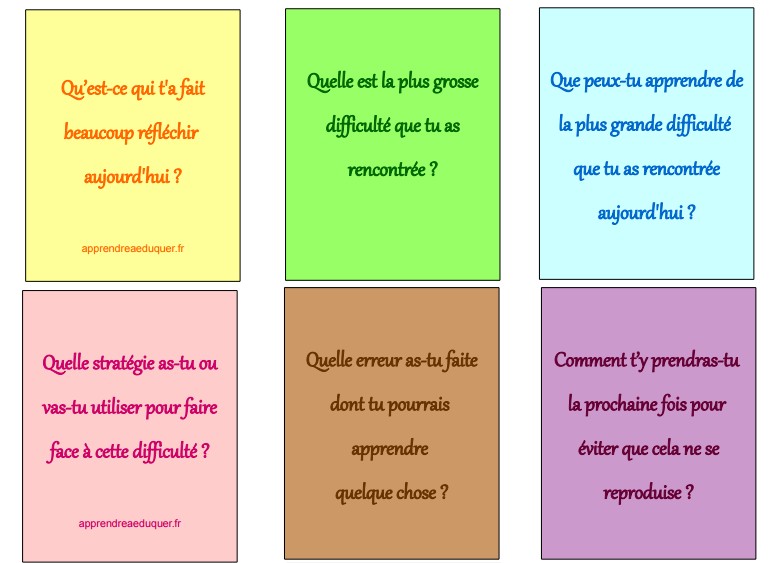
A child's emotion is never the problem and is always justified. If a child dislikes school, suffers there, fears it or is angry with a teacher, those feelings need to be heard and decoded. A simple three-step conversation helps locate the discomfort: first, what are you feeling, where does it sit in your body, what are you telling yourself; second, what brought this on, what triggered it; third, what would you need, what would help, do you have ideas for making it better.
When words do not come
The child may not be able to answer, and then it is the parents' job to switch into investigator mode, remembering that a child or teenager always has good reasons for what they feel. Empathetic, non-judgemental listening is the tool here, much like the patience needed when dealing with baby hiccups. It gets harder when a young person struggles to put emotions into words, or refuses out of shame or fear, or when our own school memories get in the way of seeing what is happening now. Just as simple hygiene habits protect a child's body, attentive listening protects their emotional world.
| What you notice | Possible avenue | What it supports |
|---|---|---|
| Academic or relational difficulties | Meeting with the teacher | Shared strategies |
| Suspected learning or attention issue | Medical or specialist appointment | Clearer diagnosis |
| Visible stress and tension | Gentle creative activities | Relaxation |
| Homework battles | Out-of-school support and tools | Study confidence |
| Loss of self-belief | Valuing strengths outside school | Self-esteem |
| Family tension around grades | Parental letting go | Emotional security |
Practical paths to explore
Several avenues can be explored together. A meeting with the teacher to review academic and relational difficulties and the strategies already in place is a useful first step. A medical appointment may clarify suspicions: speech therapy for suspected dyslexia-type difficulties, a neuropsychologist for attention issues, an eye specialist for unusual fatigue, or a psychologist. Gentle activities ease stress, from animal-assisted sessions and art therapy to pottery, knitting or wood carving.
Out-of-school support can help too: homework help, study coaching, stress-regulation tools, and learning aids such as mind maps, flashcards or sketchnoting. Some families consider changing schools, home education, a different path for teenagers, or an alternative setting. Others work on parental letting go around expectations and grades, since young people are far more than their marks. self-improvement in children begins with this kind of reframing, much like the postpartum reality that reshapes family expectations.
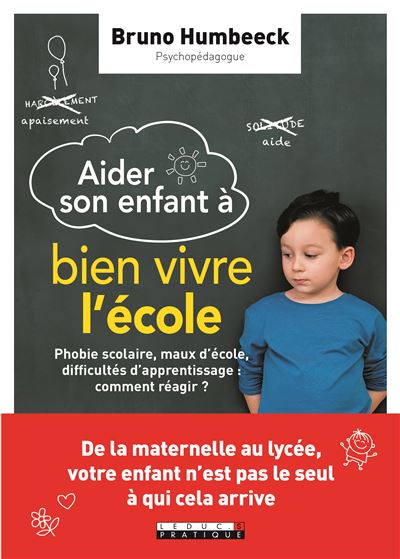
Rebuilding confidence outside the classroom
Value your child's interests and strengths beyond school, and recognise every type of intelligence and every kind of strength. Tell the child about what they love doing, what they can do, what they have succeeded at in the past, what they can teach others. Simple shared moments help as well, such as commandments for parents that put connection before performance.
Keep nourishing warmth at home through listening, time together without mentioning school, shared games, family films, laughter and outings in nature. gross psychomotor skills play a real part in a child's overall balance, and so does the calm of ordinary family life. dog breeds that suit children, for instance, can become a source of daily comfort and responsibility. Staying alert to dangerous teenage trends also protects their wellbeing, and planning outings in nature gives them healthy ways to unwind.

Posture matters more than tools
Tools without a change of posture amount to nothing. What matters is listening, welcoming the child's emotion, kindness, encouragement. A child's greatest fear is emotional withdrawal from their parents, and unconditional love is what allows confidence to grow again. This is not about punishment or reward but about emotional availability, encouragement, presence, real listening, attachment.
When a feeling of terror settles in, it needs calm company rather than pressure. Small rituals, predictable routines and honest conversations do more than any checklist. Montessori method principles, such as respect for the child's pace, can inspire this posture at home even without a full change of school.
My hands-on take
I remember sitting at the kitchen table with my own child, both of us tense over a homework sheet, and realising the argument was never about the exercise. What helped was stepping back and asking, gently, what the school day actually felt like from the inside. The answers were small and specific, and far more useful than any lecture I could have given.
Since then I have tried to protect a few school-free moments each day, a walk, a game, a shared film, where nobody mentions marks. It does not solve everything, but it keeps the relationship warm, and that warmth is what lets a child try again tomorrow.
Frequently asked questions
My child says they hate school. Should I worry?
Take it seriously rather than dismissing it. The feeling is always justified from the child's point of view, so treat it as information to decode together.
What if my child cannot explain what is wrong?
Switch into investigator mode and stay curious and non-judgemental. Children often lack the words, so patient listening and gentle questions matter more than quick answers.
Do grades really matter less than wellbeing?
Grades matter, but a stressed child cannot access the brain functions needed to perform. Protecting confidence and emotional security usually serves learning better.
Is changing school the answer?
Sometimes, but it is one option among several. Start with listening, teacher meetings, medical checks and a shift in parental posture before big decisions.
Product Reviews
 Best Toys for Dogs With High Prey Drive |
Best Outdoor Toys for 3-4 Year Olds |
Best Outdoor Toys for 6 Year Olds |
Best Harness for Poodle |
Best LEGO Sets for Adults |
Best Travel Toys for 4 Year Olds on Airplane |
Best Toy Stores in Washington DC |
Best Potty Training Toys |
Best Toys for Tripod Dogs |
Maillot equipe de france







