


Emotional and social education is increasingly part of how schools think about children's wellbeing, not just their grades. Many education programmes now lean toward transversal skills and the overall wellbeing of children, and this shift has a clear logic behind it.
Two concerns drive the attention: a significant rise in anxiety and depressive disorders among children and adolescents, and a correlation between feeling unwell and struggling at school. Learning emotional and social skills rests on empirical evidence of its effectiveness as a health-promoting factor.

These interventions build on the model of emotional intelligence and use workshops on self-awareness, understanding emotions, relationship skills, and the ability to make decisions and solve problems without violence.
Quick takeaways
- Emotional and social education supports academic success and healthier relationships.
- Optimism can be taught through comics and role-play with young teens.
- Detective-style reframing helps children find non-violent explanations and solutions.
- Breathing and relaxation reduce aggression and improve concentration in class.
- Stress can be an ally, but chronic stress needs prevention and daily reorganisation.
- Universal programmes reach all children rather than targeting only "at-risk" pupils.
What Emotional and Social Education Changes
Emotional and social education leads to better academic success and a better quality of relationships, and it comes with a reduction in aggressive behaviour and in the abuse of psychoactive substances. These workshops address self-awareness of one's emotions, sensations, interests and values, as well as awareness of others through empathy. They also work on understanding emotions, relationship skills, and the capacity to make decisions and solve problems without violence.
Several validated programmes exist today. The best known was developed by Seligman's team in the United States: the Penn Resiliency Programme, a twelve-session programme that teaches both emotional and relational skills to young people. Drawing on its principles, a range of tools can help develop these skills in children and adolescents. Just as you would carefully choose Easter basket toys for a young child, the right tool matters more than the quantity.

Building Optimism in Young People
With comics and role-play, young people aged roughly ten to fourteen learn to recognise the links between thought and emotion, and to adapt positive expectations about the future and in the face of difficulties. The aim is not to ignore problems but to give children a way of reading them that leaves room for hope. This work on optimism pairs well with a growth mindset, and the way adults phrase encouragement matters as much as the activity itself. Some everyday remarks land harder than we think, which is why it helps to know what not say to a parent who is already doing their best. The same care applies to what children absorb from the wider world, including ingredients to avoid in everyday products.
Why It Belongs in the Classroom
Optimism is a skill that can be practised, not a fixed temperament. Short, regular sessions keep it alive far better than a single long workshop, much as steady play sessions build skills over time.

| Tool | Main skill | When to use |
|---|---|---|
| Comics and role-play | Optimism and thought-emotion links | Ages 10 to 14, weekly sessions |
| Detective reframing | Problem-solving | When automatic negative thoughts appear |
| Clear message | Peaceful conflict resolution | Playground or sibling disputes |
| Breathing and yoga | Relaxation and self-regulation | Start of class or bedtime |
| Adult posture shift | Stress prevention | Daily family and school life |
Teaching Problem-Solving Techniques
Children can learn to find non-violent solutions to their problems, and reframing thoughts is useful here. In the Penn Resiliency programme, facilitators encourage pupils from the start to put themselves in the shoes of a detective, spotting and analysing the different thoughts that arise during the week in stressful situations.
When automatic thoughts appear, for example if a friend does not say hello one morning and the child thinks "I have never had friends in this school", adolescents train like detectives to find alternative explanations: "he is not in a good mood this morning", "he is stressed about the test".
A clear message and a wheel of choices give children concrete steps for peaceful conflict resolution. The same patience applies to family logistics, from sitting baby table routines to planning outings, as you can see when choosing rural houses Barcelona for a weekend away.

Relaxation Tools for Emotional Education
The benefits of breathing and relaxation practice in class are numerous: improved concentration on schoolwork, lower aggression, more calm in the classroom and the playground, less apprehension and stress, children and teachers happy to go to school, and more listening and mutual understanding.
Simple yoga gestures can be introduced to soothe children, and the same calming routines help at home during transitions such as bedtime. Families who practise ways sleep co-sleeping often find that a short breathing ritual makes the evening smoother.
Relaxation is not a reward for good behaviour; it is a daily habit that builds the capacity to self-regulate over time.

Facing Stress Together
Stress is considered one of the scourges of our time, to the point that adolescents, and even children, experience burnout situations. It has invaded every sphere of society, from work to family. Stressed parents can communicate their stress to children, stressed children communicate theirs to parents, parents stress children to improve their school results, children stress parents through their behaviour, and school stresses both.
The list is long and the vicious circle hard to break. Yet stress can be good and can even become an ally. It is possible to prevent stress when it is too high or chronic by reorganising daily life to avoid small daily stressors, by rethinking the posture of adults as caring, encouraging partners who cultivate a positive relationship with children, and by equipping children and adolescents with tools.
Universal programmes are currently the most effective: the point is not to identify "at-risk" pupils but to intervene with all children to promote resilience factors. Workshops can be integrated into teachers' lessons or led by outside facilitators. This kind of programme is now a form of health promotion at school, and some establishments go further by reshaping their whole environment, much as you would compare storage containers LEGO carefully before organising a playroom. Just as some Machiavellian toys add pressure rather than calm, and as you would plan places to visit with care, the school environment itself can be reshaped to reduce stress.


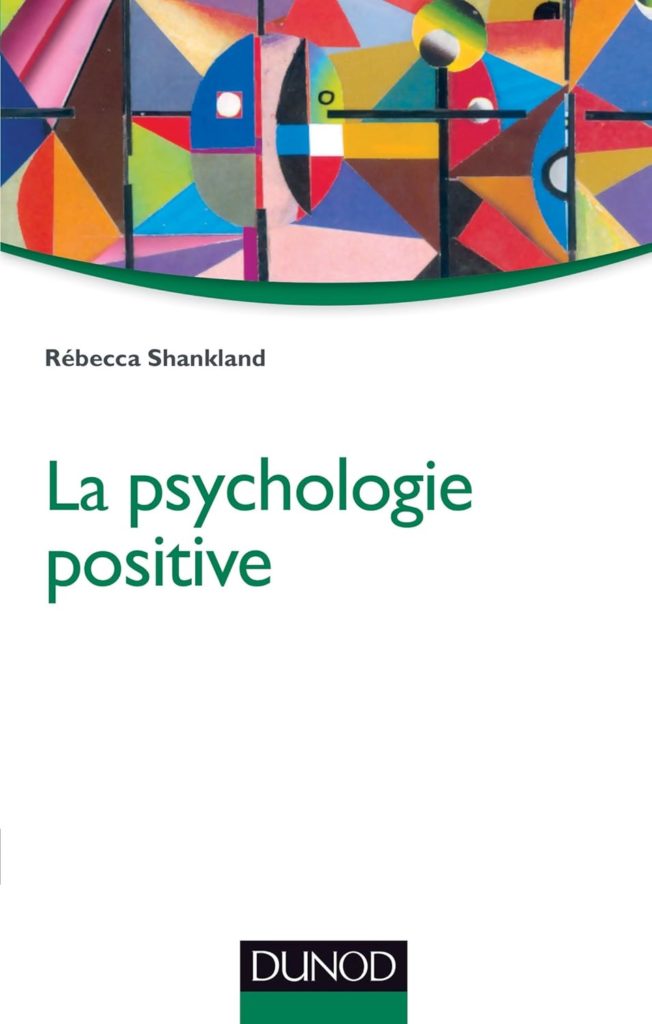

My hands-on take
In my own experience, the detective trick is the one that sticks. When a child comes home convinced that "nobody likes me", I no longer argue with the feeling. I ask what other explanations a detective might find, and we list two or three together. It rarely solves everything on the spot, but it loosens the grip of the first thought.
I have also learned that relaxation works best when adults join in rather than instruct. A few slow breaths before homework, done side by side, does more than a lecture about calming down. And when the whole household is tense, reorganising the small daily stressors, the rushed mornings and the overloaded evenings, has been far more effective than any single exercise.
Frequently asked questions
What is emotional and social education?
It is a set of workshops and practices that build self-awareness, empathy, relationship skills and non-violent problem-solving. It draws on the emotional intelligence model and aims to promote wellbeing and resilience at school.
Does it really improve academic results?
The source material links emotional and social education to better academic success and better-quality relationships, alongside a reduction in aggressive behaviour. It is presented as a health-promoting factor supported by empirical evidence.
What is the Penn Resiliency Programme?
It is a twelve-session programme developed by Seligman's team in the United States that teaches emotional and relational skills to young people. Its principles inspire the practical tools described here, such as optimism work and detective-style reframing.
Should these workshops target only struggling pupils?
No. Universal programmes are described as the most effective because they reach all children rather than identifying only those "at risk". The goal is to promote resilience factors across the whole group.
Product Reviews
 Best Toys for Dogs With High Prey Drive |
Best Outdoor Toys for 3-4 Year Olds |
Best Outdoor Toys for 6 Year Olds |
Best Harness for Poodle |
Best LEGO Sets for Adults |
Best Travel Toys for 4 Year Olds on Airplane |
Best Toy Stores in Washington DC |
Best Potty Training Toys |
Best Toys for Tripod Dogs |
Maillot equipe de france







