


Decoding baby cries starts long before the first tear: babies tell us what they need through their whole body, and learning to read those early signals is one of the most useful skills a parent can build. Crying is only the loudest layer of a much richer language.
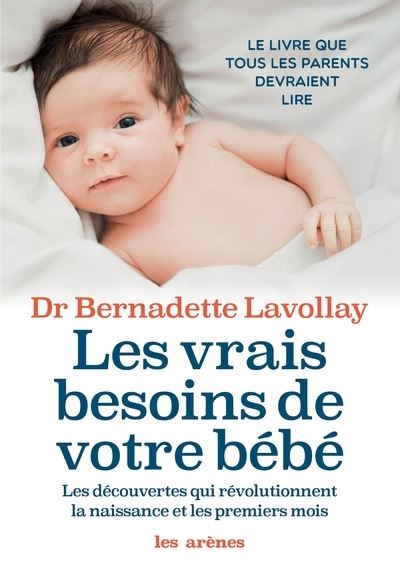
Pediatrician Bernadette Lavollay, author of a book on babies' real needs, reminds us that cooing, babbling, movements, facial expressions and little vocal sounds are all ways babies communicate. These nonverbal messages are meant for the people who care for them, feed them and help them grow.

When those messages are noticed and understood, you can meet your baby's fundamental needs before distress escalates. This guide walks through the signals, the reasons crying is sometimes hard to hear, and how to respond with confidence.
Quick takeaways
- Crying is only the loudest signal; coos, gazes and movements come first.
- Respond to small signs of discomfort before they escalate into tears.
- A crying baby is not manipulative, fussy or difficult.
- Every baby has individual codes, and every parent finds their own response.
- A parent's traumatic memories can make crying hard to hear; support helps.
- Finding the right answer often happens by trial and error, and that is normal.
Why crying is only part of the conversation
Lavollay stresses that crying is not a baby's only means of expression. Gazes, wriggling, tiny grimaces, hand movements and soft sounds are all part of the same message system, sent by a small person who cannot yet speak.
These nonverbal cues are addressed to whoever is caring for the baby. Reading them well lets you answer basic needs more accurately, whether that means a feed, a change of position, warmth, rest or simply company. Parents who are preparing a nursery often enjoy browsing illustrated children books while thinking about calm routines, and some also read about why childbirth comes early.
The key advice is to look for signs early rather than waiting for the situation to escalate. Small calls from the body, a hint of discomfort or a request for help come first; crying is the final alarm.
The escalation principle
If the little signals go unnoticed, a newborn will use stronger and stronger ones until crying takes over. In Lavollay's words, the cry means something like: "I really need you, come and help me, or stop what you are doing to me."
What a crying baby is really telling you
It still needs saying: a baby who cries is not a manipulator, not "fussy" and not "difficult." Those labels are adult projections, shaped by cultural conditioning and our own childhood wounds rather than by anything the baby intends.
Crying simply shows that something is not right: the wrong gesture, the wrong moment, the wrong position, or a different need that has not yet been met. Finding the answer often happens by trial and error, and that is normal.
Lavollay also describes the intense distress of a baby whose final call for help gets no response, writing that it is as if the baby faced not only a blind person but a profoundly deaf one. Being present, even while you search for the solution, already matters.
Common needs behind tears
Hunger, tiredness, a dirty diaper, discomfort from clothing, overstimulation or a need for closeness are frequent culprits. A calm eating out baby outing, for instance, goes more smoothly when you plan feeds and rest around your baby's signals. Consistency across caregivers helps too, so it is worth aligning with grandparents on how needs are read and met. A simple wooden house can also offer a calm, familiar play space that soothes an overstimulated baby.
| Signal | What it may mean | A response to try |
|---|---|---|
| Rooting, hand to mouth | Hunger starting | Offer a feed calmly |
| Grimace, turning away | Overstimulation | Reduce light and noise |
| Wriggling, arching | Discomfort or position | Change position or diaper |
| Soft coos, eye contact | Wants connection | Talk, hold, make eye contact |
| Fussing that builds | Escalating need | Respond before full crying |
Every baby has their own communication code
Each baby communicates in their own way, and each mother and father will find their own response: a tender look, words, touch, a gathered position, rocking, stroking, massage, a lullaby, carrying, the breast, a pacifier. Some parents find their answer easily; others find it harder.
Part of that difficulty can come from a parent's own traumatic memory. For some adults, a baby's cries awaken childhood fears that create tension or even anger, and to keep that memory at a distance they may deny the baby's distress or try to avoid crying altogether, for example by leaving the baby alone in a distant room.
Lavollay notes that parents are the best observers of their baby, once they are freed from the fear of not knowing or not being good enough. Working on past wounds and traumatic memory is part of that freedom, and it can sit alongside everyday practicalities such as choosing maternity jeans comfortable clothing that makes long days and nights easier.
When a baby's cries reactivate a parent's past
Consider a parent who was shaken or shouted at by their own mother or father while crying as an infant. Their own baby's cries can reactivate that traumatic memory, and the parent may attribute the violence and anger of their own caregiver to the newborn, feeling attacked here and now.
Such a parent may then risk behaving violently toward the crying baby, re-enacting the scene to push the unbearable memory away. This dissociating effect is dangerous: it soothes the adult by numbing them, while the baby appears "calmer" only because they are stunned and disconnected.
Recognizing this pattern is protective. Stepping away safely, breathing, calling on another adult or seeking professional support are far better responses than replaying the scene, and they protect the bond you are building.
Building your own map of signals and responses
Parents are the ones who can find the best answers and provide the greatest comfort for their baby. For some, this process calls for a conscious, lucid approach and unfolds through trial and error, gradually giving the baby the physical and emotional security needed to attach and develop.
Observation is the heart of it. Note the small signs that appear before tears, and the responses that actually settle your baby; patterns emerge quickly when you pay attention. A simple log of feeds, naps and moods helps many parents spot them.
Practical support matters too. Sharing night shifts, keeping the room dim and calm, and having a familiar comforter or a soft toy within reach can reduce the escalation. If you are choosing playthings for a slightly older sibling, ideas like these toys for puppies show how matching a toy to a temperament works. And when you are out and about, comfortable sandals for children make quick outings less stressful. Even small routines, like arriving late calmly, can keep the day steady, and tender dad moments remind us that comfort comes in many forms.

My hands-on take
I remember the first weeks with a newborn and how convinced I was that crying was the only thing I needed to decode. What changed everything was learning to watch the moments before the tears: the little hand creeping toward the mouth, the sudden turn of the head away from the lamp, the restless kicking during a diaper change. Once I started noticing those, the crying felt less like an emergency and more like a message I had simply missed the first time.
I also learned to be gentler with myself when I got it wrong. Some evenings nothing worked, and I would walk the hallway rocking and humming until we both calmed down. That trial and error is not failure; it is how you build your own map of your baby's signals. If a cry triggers something sharp in you, tell someone and get support, because your calm is part of your baby's comfort.
Frequently asked questions
Should I wait to see if my baby settles before responding to cries?
Lavollay's advice is the opposite: respond to the small early signals rather than waiting for crying to escalate. Crying is the final alarm, so answering sooner usually means less distress for everyone.
Is picking up a crying baby too often going to spoil them?
No. A baby who cries is expressing discomfort or a need, not manipulating you. Responding consistently builds the physical and emotional security a baby needs to attach and develop.
Why do some parents find crying so hard to tolerate?
A baby's cries can reactivate a parent's own traumatic childhood memories, creating tension or anger. Recognizing this pattern and getting support helps parents respond to their baby instead of their past.
Do all babies signal the same way?
No. Each baby has their own communication code, and each parent develops their own responses over time. Observation and trial and error are how most parents learn their baby's particular language.
Product Reviews
 Best Toys for Dogs With High Prey Drive |
Best Outdoor Toys for 3-4 Year Olds |
Best Outdoor Toys for 6 Year Olds |
Best Harness for Poodle |
Best LEGO Sets for Adults |
Best Travel Toys for 4 Year Olds on Airplane |
Best Toy Stores in Washington DC |
Best Potty Training Toys |
Best Toys for Tripod Dogs |
Maillot equipe de france







