


Children's books on anger can give young kids a gentle, concrete way to talk about a feeling that often overwhelms them. One useful example is a small picture book by Stéphanie Couturier, published by Gründ, which follows a boy named Léopold through a difficult morning.
The story is a spin-off of a larger book about emotions, keeping the same friendly visual world and personifying anger as an imaginary red animal. Because Léopold faces situations most children recognize, the book works well as a starting point for conversation rather than a lecture.

Quick takeaways
- Anger is presented as a normal, temporary emotion that can be tamed.
- Léopold's situations mirror everyday childhood frustrations.
- A red animal makes the feeling visible, then disappears as he calms.
- Page-bottom bubbles offer simple return-to-calm tips.
- The book works best as a conversation starter, not a cure.
- Suitable for children around five or six and older.
A Story Children Recognize
Léopold wakes up in a bad mood, and the day looks set to be complicated. Someone has invited themselves into his morning: the terrible anger. What makes the book work is that his experiences mirror everyday childhood moments, such as waking up grumpy, worrying about a competition, feeling disappointed by failure or struggling with jealousy.
Through these scenes, children can see that anger is a normal emotion. It feeds on difficult situations and grows, but it can also be tamed with small tools that are easy to learn, and it is temporary. If your child is also working through other everyday challenges, from communicating with children to building routines, the same patient, conversational tone helps.
A Red Companion
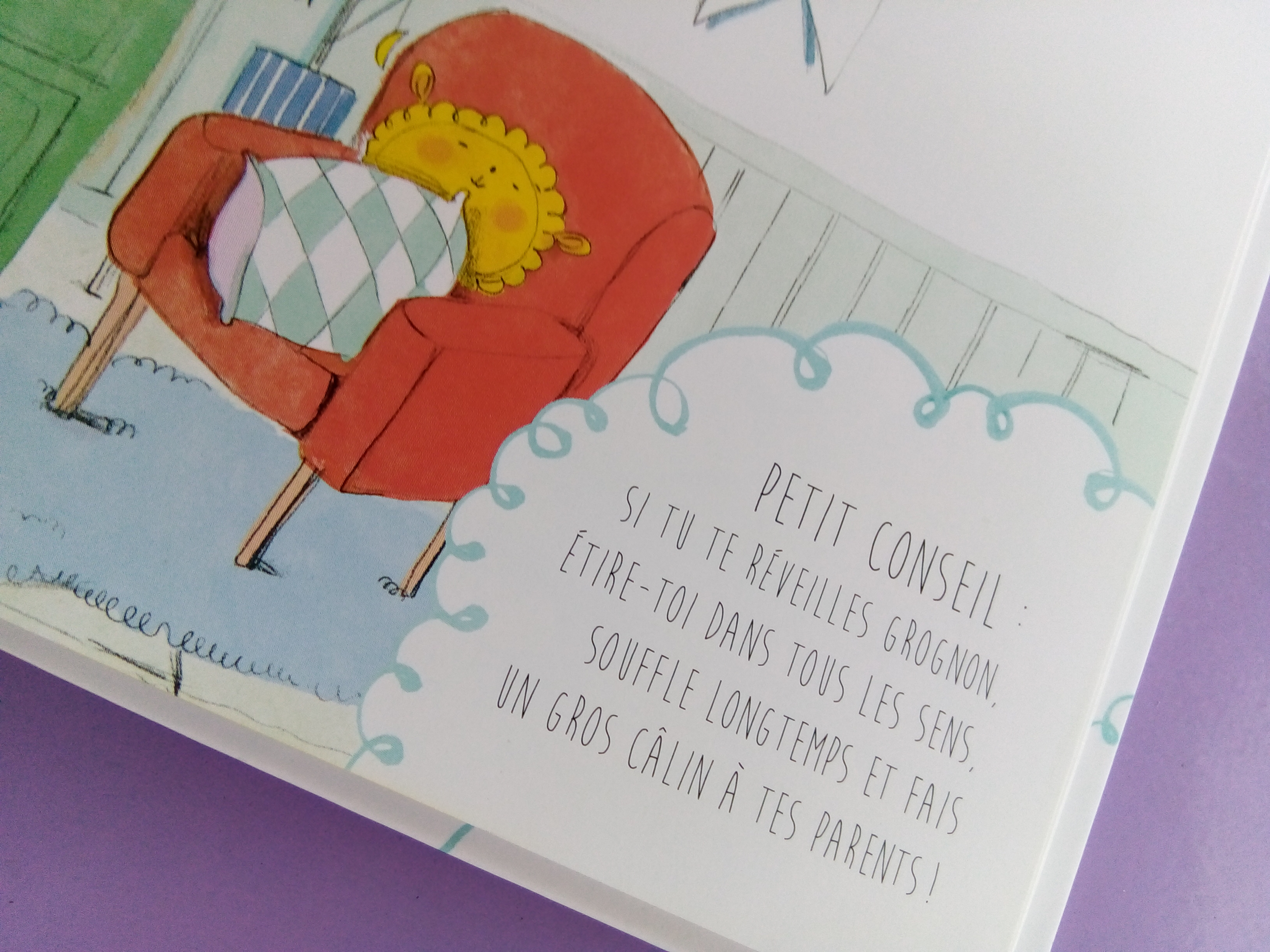
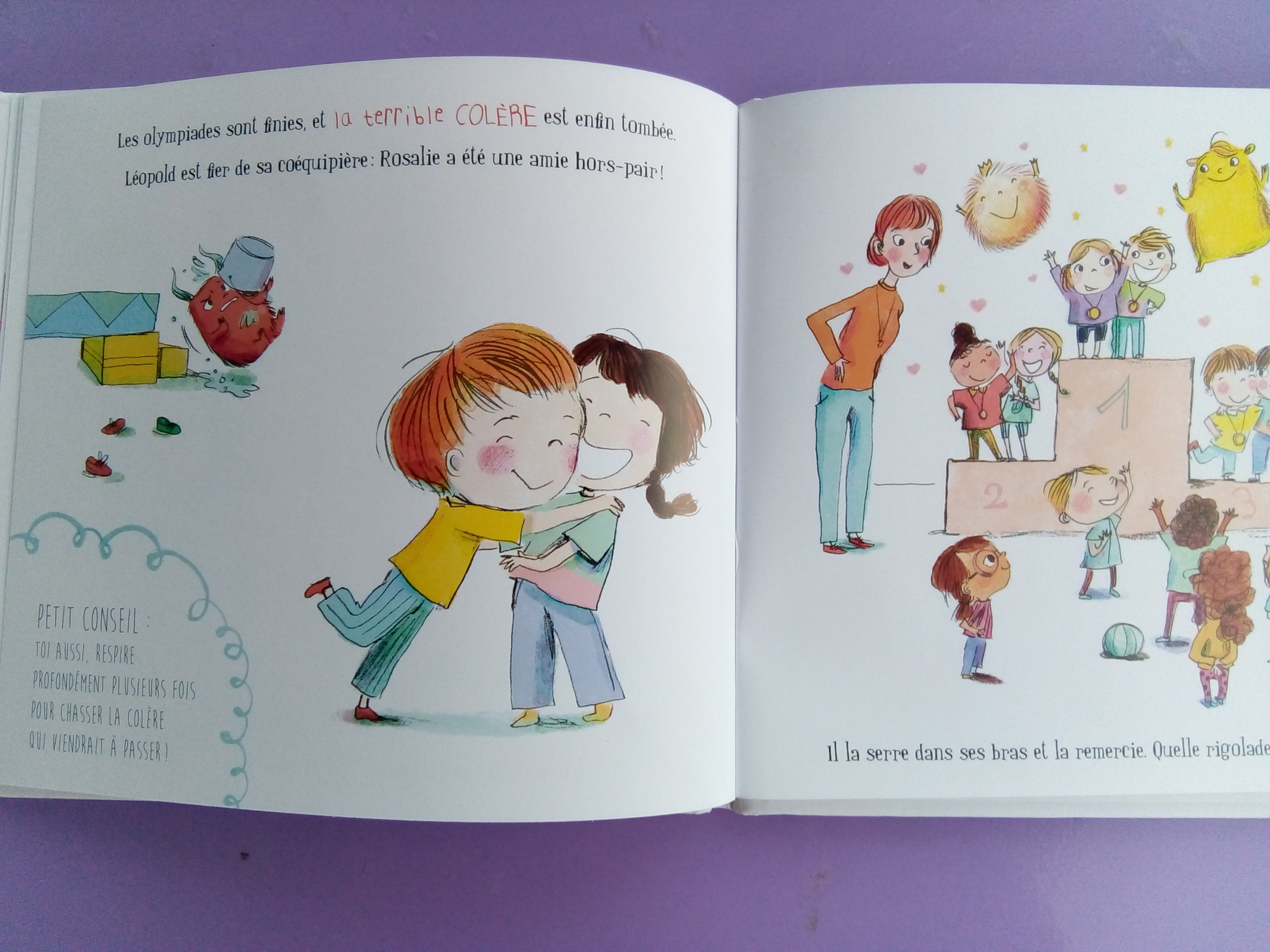
The little red animal that symbolizes anger follows Léopold throughout the album, then disappears once he feels better. That visual cue gives children something concrete to track, and the small bubbles at the bottom of the pages act as reminders, offering simple tips for returning to calm.

Calm-Down Tools and One Reservation
The book offers a first approach to calming tools for young children, which makes it a friendly introduction rather than a full program. One phrasing invites readers to "chase" anger away, and that deserves a note: the goal is not to avoid anger at all costs, since it has a repairing function in the face of injustice or failure.
What may be missing is a step where an adult names Léopold's anger, invites him to express what he feels, and only then offers a breathing exercise. The point is to allow anger without letting it turn into violence. Parents who want to build a broader emotional vocabulary can pair the story with homemade finger paint sessions, where children paint what anger looks like.
Breathing as a First Step
Simple breathing is presented as a way to tame the feeling rather than erase it. Used alongside calm routines such as songs before bed, it becomes part of a predictable rhythm children can rely on.

| Element | What It Offers | How to Use It |
|---|---|---|
| Léopold's story | Relatable anger triggers | Ask "what would you do?" |
| Red animal | Visual symbol of anger | Point to it, then its exit |
| Page bubbles | Calm-down tips | Practice one together |
| Breathing | First calming tool | Try it after naming feelings |
| Anger wheel | Child-made reminder | Build it after reading |
Using the Book as a Conversation Starter
This little album works best as a support for exchange with children, a base from which to talk about anger. You might ask how they would have acted in Léopold's place, what they would have told themselves in the same situation, whether blowing out would really have calmed them, and whether they know other ways to channel anger.
These open questions keep the child active rather than passive. For families juggling several routines, the same short, repeated conversations fit naturally alongside things like brushing their teeth or getting ready for sitting at the table, where frustration often surfaces.
A Group Activity: The Anger Wheel
In a workshop with children, the story's framework can be followed page by page while practicing the little exercises it suggests. A short discussion about what makes them angry, and about personal anecdotes, usually follows naturally.
From there, children can build an anger wheel using the book's suggestions plus their own ideas. This hands-on step turns a story into a keepsake they can consult later. If you are preparing a group session, planning materials in advance, much like preparing for pregnancy mentally, helps the activity run smoothly.
For quieter moments afterward, a backyard toy or a small cause and effect toy can give children a physical outlet for leftover energy.
Who It Suits and What It Costs
The book is aimed at children aged roughly five or six and up, which matches its reflective questions and breathing exercises. Its small price is a genuine plus, and it is easy to find in libraries, bookshops or online.
Think of it as one piece of a wider emotional toolkit. Some families combine it with movement, art or outdoor play; others keep a small stocking stuffer toy or a birthday gift toy on hand as a calm-down companion. Whatever you choose, the key is repetition and adult presence.

My hands-on take
I have used this book in a workshop with children, and what struck me was how quickly they recognized themselves in Léopold. We followed the story's thread and practiced the little exercises as we went, then moved into a discussion about what makes them angry and shared a few anecdotes.
The anger wheel was the highlight. We built it from the book's suggestions and the children's own ideas, and several of them wanted to take it home. My one adjustment was to add a step before the breathing: naming the feeling out loud first. That small change made the calming exercise feel less like a command and more like a choice.
Frequently asked questions
What age is this book for?
It is aimed at children aged about five or six and up, since it invites reflection and simple breathing practice. Younger children can still enjoy the story with an adult guiding the questions.
Does the book tell children to suppress anger?
One phrase suggests chasing anger away, which is worth discussing with your child. The healthier message is to allow anger while preventing it from becoming violence.
Can I use it in a group setting?
Yes. Following the story and practicing its exercises, then discussing what makes children angry, works well. Building an anger wheel from their ideas makes a good follow-up.
Product Reviews
 Best Toys for Dogs With High Prey Drive |
Best Outdoor Toys for 3-4 Year Olds |
Best Outdoor Toys for 6 Year Olds |
Best Harness for Poodle |
Best LEGO Sets for Adults |
Best Travel Toys for 4 Year Olds on Airplane |
Best Toy Stores in Washington DC |
Best Potty Training Toys |
Best Toys for Tripod Dogs |
Maillot equipe de france







