


A breathing exercise to calm children after nightmares can turn a frightening midnight wake-up into a moment of closeness and rest. It draws on heart coherence breathing, a slow paced approach to breathing, and it is especially useful for children who wake in the middle of the night.
The central idea is simple: adult and child breathe together while holding hands, so the child feels less afraid. The adult sits beside or facing the child, takes their hand, and breathes with them. The adult guides the rhythm through a soft pressure on the hand.

Quick takeaways
- Hold hands and breathe together to reduce fear after a nightmare.
- Squeeze gently for the out-breath, release for the in-breath.
- Ask now and then whether your child feels better.
- Announce the end before slowly letting go of the hands.
- Send loving, tender thoughts on each in-breath.
- Aim for a slow rhythm near six breaths per minute.
How the hand-holding breathing works
The guidance happens through touch. The adult gently squeezes the child's hand to signal a breath out, then releases the pressure to signal a breath in. This gives the child something physical to follow instead of counting or watching a screen.
Because the signal is silent, the exercise fits a dark bedroom and a half-awake child. It also requires no equipment, which matters when you are tired and want something you can manage stress without setup.
Keep the squeeze light. The aim is reassurance, not a firm grip, and the child should feel safe rather than held in place.
Checking in with your child
From time to time, ask the child gently whether they feel better. If they answer yes, tell them the exercise is going to end before slowly letting go of their hands, so the ending is not a surprise.
If they answer no, continue for a few more breaths and start again, repeating until the child is calmer. This simple baby sleeps badly pattern of checking and repeating respects the child's own sense of when they are ready, much like the everyday household chores that build responsibility over time.
Why the ending matters
Announcing the end gives the child a sense of control and avoids the feeling that comfort was withdrawn suddenly. It is a small detail that makes the ritual predictable, and it echoes the steady reassurance that loving grandparents so often provide.

| Step | Adult action | Child experience |
|---|---|---|
| Settle | Sit beside or facing the child | Feels company and safety |
| Hold | Take the child's hand gently | Feels physical reassurance |
| Out-breath | Squeeze the hand softly | Follows the pressure to breathe out |
| In-breath | Release the pressure | Breathes in as the hand relaxes |
| Check in | Ask if they feel better | Can say yes or ask for more |
| Finish | Announce the end, then let go | Ends calmly, without surprise |
Sending loving thoughts while you breathe
During the exercise, the adult sends thoughts of love, tenderness and kindness to the child on each in-breath. This inner focus keeps the adult calm too, and calm is contagious when you are postpartum care tired and running on little sleep.
The contact of the hands acts as a powerful empathic anchor, grounding the child in the present moment. Many parents find this quiet closeness as soothing for themselves as for the child.
If your child enjoys gentle rituals, you might build a small pre-sleep routine around touch and baby sign gestures, so the calm starts before bedtime rather than only after a nightmare.
Finding the right breathing rhythm
The adult aims for a breathing rhythm close to six breaths per minute, without using any external guide. This pace follows the heart coherence model and is slow enough to feel calming for both people.
You do not need to count precisely. Simply breathe slowly and evenly, and let the hand pressure follow your own rhythm so the child breathes along with you.
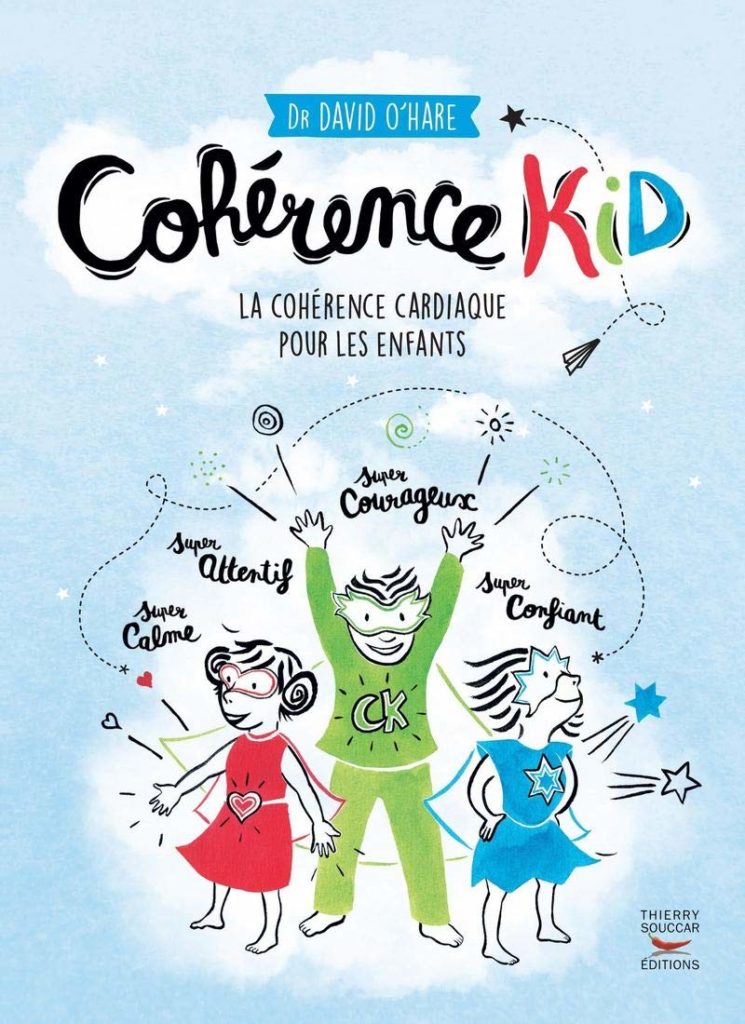
Heart coherence breathing with a child soothes and calms, and it can become part of a wider songs for bedtime routine that helps children settle more easily each night.
When to use it and what to expect
This exercise is particularly helpful for children who wake in the night frightened. It can also be used at bedtime, or after a scary story or a bad dream at naptime.
It is not a cure for every sleep difficulty, and some children will need a longer routine or a chat about what frightened them. If fears are frequent, a steady evening routine and a calm learn to speak conversation about feelings can help your child name what is bothering them. For extra reassurance, a small comfort object such as a first LEGO set can help, and parents of children with additional needs may find it useful to read about Down Syndrome.
For families with several children, the same hand-holding approach can be used one to one, so each child gets a few minutes of quiet attention.

My hands-on take
I first tried this with my youngest after a run of bad dreams, and what surprised me was how much the hand pressure did the work. I did not have to explain anything or turn on a light; I just sat on the edge of the bed, took her hand, and breathed slowly, squeezing softly on the out-breath.
My mistake at first was letting go too quickly once she seemed calm, which startled her back awake. Announcing that we were nearly finished, then releasing slowly, made a real difference. Now and then she still asks me to "do the hand breathing", and I find it settles me too.
Frequently asked questions
What is heart coherence breathing?
It is a slow, even breathing rhythm, often close to six breaths per minute, used to calm the body and mind. In this exercise the adult breathes at that pace and the child follows through the hand pressure.
Does my child need to understand the exercise?
No. The guidance is physical, so even a sleepy or young child can follow the gentle squeeze and release without any explanation. You can explain it later in the daytime if you wish.
Can I use this at bedtime too?
Yes. The same hand-holding breathing can be used to settle a child before sleep, not only after a nightmare. It works best as part of a calm, predictable evening routine.
What if my child does not calm down?
Continue for a few more breaths and try again, as the source suggests. If fears keep returning, talk with your child in daylight and consider a steadier bedtime routine.
Product Reviews
 Best Toys for Dogs With High Prey Drive |
Best Outdoor Toys for 3-4 Year Olds |
Best Outdoor Toys for 6 Year Olds |
Best Harness for Poodle |
Best LEGO Sets for Adults |
Best Travel Toys for 4 Year Olds on Airplane |
Best Toy Stores in Washington DC |
Best Potty Training Toys |
Best Toys for Tripod Dogs |
Maillot equipe de france







