


Books about preventing sexual violence give children words for something adults often struggle to explain. Reading together opens the conversation without pressure, and the story does the first difficult part for you.
The aim is not to frighten children but to help them recognise the small inner voice that says no, to understand what consent means, and to know they are allowed to tell a trusted adult, even when someone asks them to keep a secret. Choose the books you feel comfortable with, because your ease matters as much as the child's.

Quick takeaways
- Choose books you feel comfortable with before sharing them with your child.
- Stories help children name the inner voice that says no.
- Children need to know they can tell, and to whom.
- Secrets that feel heavy should never be kept, even if an adult asks.
- Forced kisses are a consent issue, not a politeness issue.
- Read little and often rather than in one serious talk.
Start Early With Stories for the Under-Fours
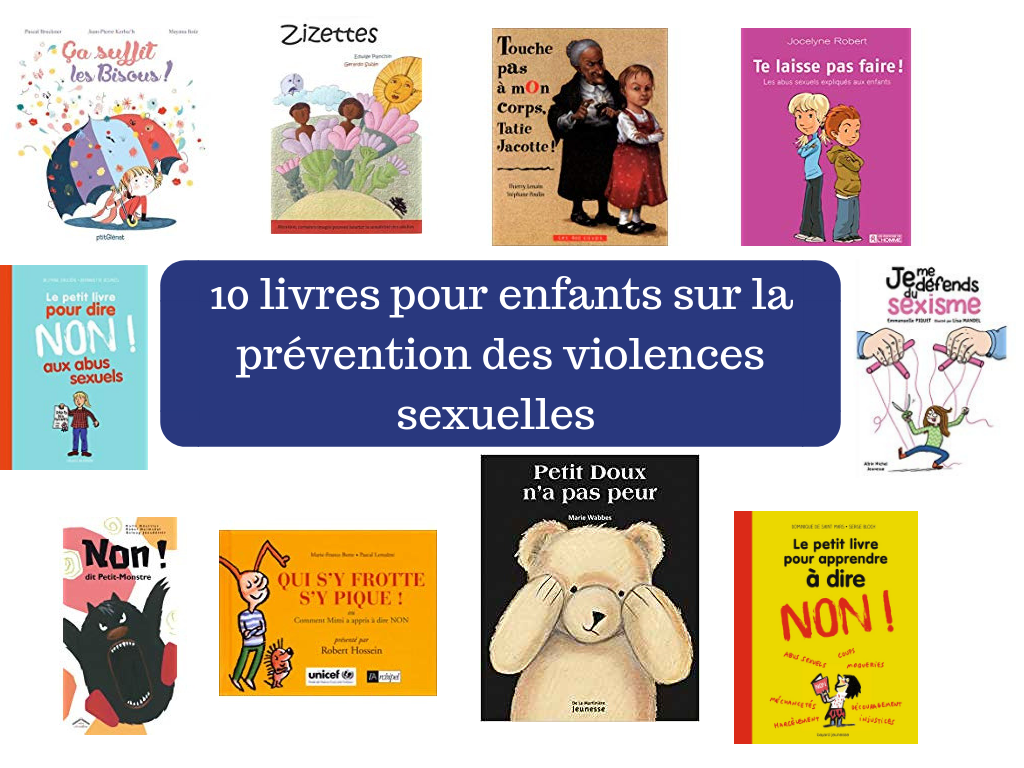
Very young children can already learn that their body belongs to them. In the picture book about Petit Doux and Gros Loup, the two friends play together often, but the bigger wolf sometimes uses his size to do things Petit Doux does not want. Petit Doux is frightened and does not dare protest, until he finally tells everyone how his friend behaves.
The story shows the smallest children that saying no is allowed and that they have the right to talk about physical or verbal violence. Keep the tone matter-of-fact when you read it aloud, and pause on the page where the character speaks up, because that is the moment children remember. If your child is still very small, pair the reading with simple everyday practice, such as letting them choose which toy to hold, so the idea of best toys and personal choice stays concrete.
Learning to Say No Out Loud
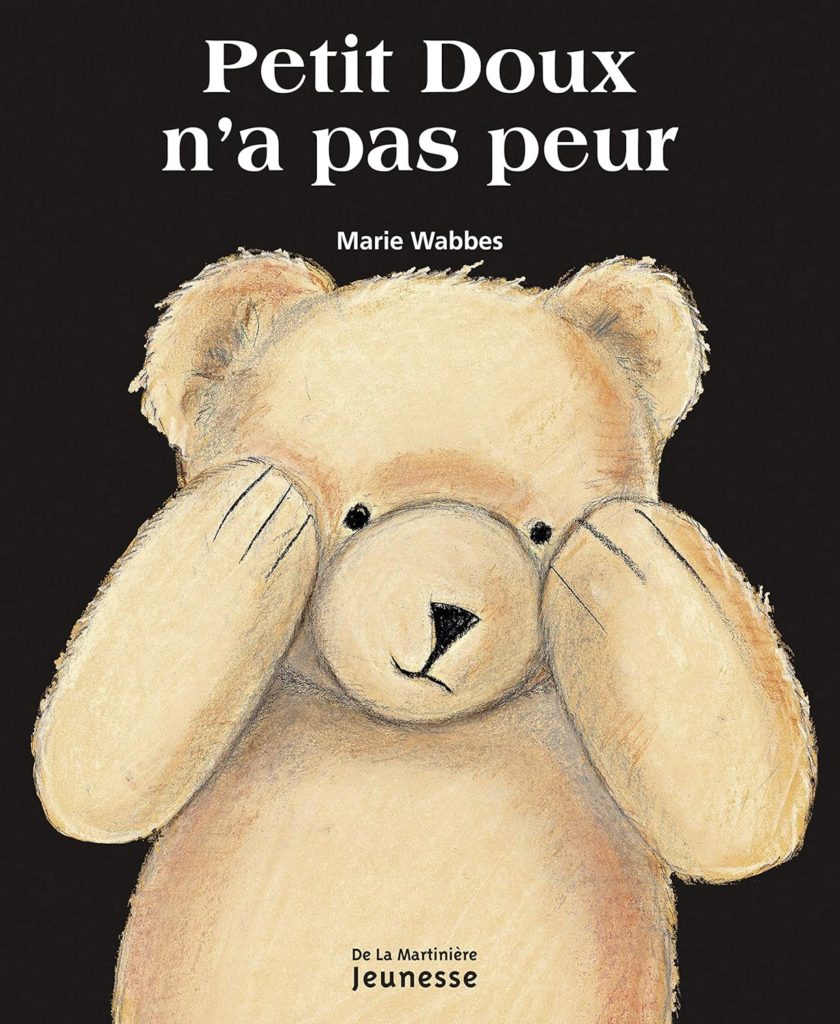
For children around five, the tale of Petit-Monstre works well. Someone knocks: it is Grand-Monstre, who always wants to give orders, mocks him and scribbles on his drawings. Petit-Monstre has had enough, and today he finally dares to say no.
The album invites reflection on self-assertion and the influence of others: how do you dare to refuse, and how do you listen to yourself when something feels wrong inside? These are big questions for a small child, so let the conversation wander. You might ask what your child would do in the monster's place, or which grown-ups they would tell. For more playful ways to spark discussion, try these fun math stories.
Tools for Tricky Situations
Another title, presented with the support of UNICEF, follows Mimi Fleur de Cactus and her hedgehog through everyday scenarios: a stranger offering cakes, a man suggesting a child follow him into a changing cabin at the pool, an adult whose hugs feel too tight. Each situation comes with practical advice and key phrases children can repeat, such as "my body is my body" and "I have a mouth to express myself".
| Age | Book focus | What to practise |
|---|---|---|
| Under 4 | A friend who goes too far | Saying no and telling |
| From 5 | A monster at the door | Listening to yourself |
| From 6 | Everyday risky situations | Key phrases and trusted adults |
| From 6 | Comic with games and exercises | Parent-child teamwork |
| All ages | Refusing unwanted kisses | Respecting body limits |
A Comic for Ages Six and Up
Too many children believe an adult has every right over them. The comic by sexologist Jocelyne Robert sets out to give the child back the power over their own body and life, and to turn child and parent into a watchful team. It includes games and exercises to do together, clues for assessing risk, and calm, concrete educational attitudes.
It is recommended from age six, though some adults will find it blunt and direct. Read or leaflet it before buying, and consider keeping it as a tool for yourself, to find the right words and anticipate situations, rather than placing it in your child's hands straight away. Adults who want to prepare for awkward questions may also find it useful alongside practical reads like undescended testicle care, since both topics require calm, factual language.

The Kisses Children Do Not Want
Forced kisses are rarely addressed in children's literature, yet the topic matters. One picture book handles it remarkably well in both form and substance. The heroine is a very polite little girl who learns at school that her body belongs to her and that she may refuse a kiss, even from an aunt she does not like.
Faced with adult hypocrisy, where greeting kisses count as politeness and a child's consent counts for nothing, she learns to assert herself. The book speaks mainly to adults, but teaching children they may say no to kisses is part of consent education. Being small or cute does not give grown-ups the right to touch or kiss without agreement. This lesson protects children now and helps them respect other people's limits later, including those of future partners. It pairs naturally with wider conversations about shame and motherhood and the messages families pass on.

A Family Book About Saying No
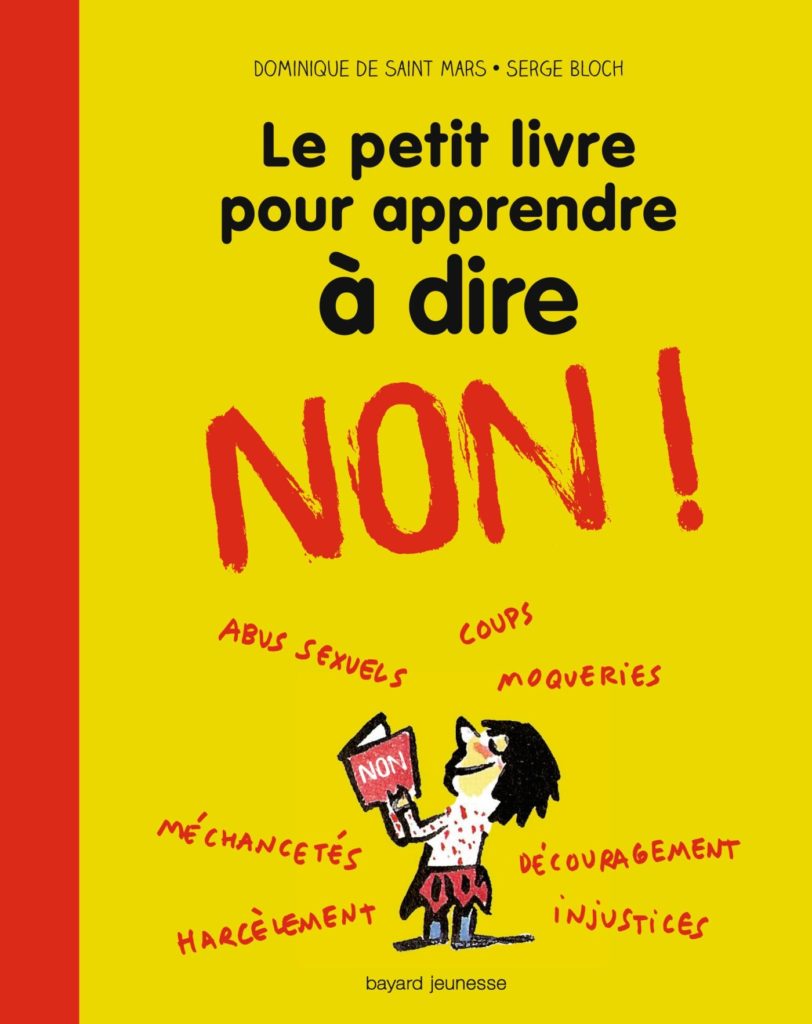
Written by Dominique de Saint Mars and illustrated by Serge Bloch, the duo behind the Max and Lili series, this little book is designed to be read as a family or in class. It works as a support for tackling delicate questions: a grandmother's gift the child does not like, friends inviting them to break a rule, school bullying, injustice, having to choose between parents, or looks directed at their body that feel uncomfortable.
Because each page offers a short scenario, you can dip in rather than read cover to cover. Ask your child which situation feels familiar, and let them answer without correction. For families who want more conversation starters, friends as family and eating with TV style reads show how everyday routines become talking points.

Reading Together, Practising Together
The books work best as a shared routine rather than a single serious talk. Leave them on the shelf where your child can reach them, and let them return to a favourite story when they need it. When a scene comes up, name the feeling: "He looks worried there, doesn't he?"
Rehearse simple phrases out loud, such as "stop, I don't like that", and agree on two or three adults your child could tell. Explain the difference between a happy surprise and a secret that feels heavy. These small habits build the confidence children need, whether the worry is about a relative, a stranger or a schoolmate. Stories passed down between generations, like this grandfather's story, can open the conversation gently. Parents who want more support can look at apps for parents and movies about respect to keep the conversation going in different forms, and a little wooden house can offer a calm space for pretend play.



My hands-on take
I remember reading one of these stories with my own child and being surprised by which page they wanted to return to. It was never the one I expected. That taught me to stop steering the conversation and simply follow their questions, even when they came at bath time rather than on the sofa with the book open.
What helped most was rehearsing short phrases out loud, in a light voice, until saying "stop, I don't like that" felt ordinary. We also agreed on three adults they could tell, and named them together. None of this was a single talk; it was a habit built over months of small readings and casual check-ins.
Frequently asked questions
At what age should I start these conversations?
Picture books for the under-fours already introduce the idea that a child's body belongs to them. Start with simple stories and let the depth grow as your child asks questions.
What if my child seems too young for the comic?
Some adults find the comic blunt and direct. Read it first, and consider using it as a guide for yourself to find the right words before sharing it with your child.
How do I explain the difference between a surprise and a secret?
A surprise is happy and short-lived, like a gift. A secret that makes a child feel heavy or scared should always be told to a trusted adult, even if someone asks them to stay quiet.
What if my child refuses a relative's kiss?
Support them. Being polite does not require accepting unwanted touch, and backing your child teaches them that their limits matter.
Product Reviews
 Best Toys for Dogs With High Prey Drive |
Best Outdoor Toys for 3-4 Year Olds |
Best Outdoor Toys for 6 Year Olds |
Best Harness for Poodle |
Best LEGO Sets for Adults |
Best Travel Toys for 4 Year Olds on Airplane |
Best Toy Stores in Washington DC |
Best Potty Training Toys |
Best Toys for Tripod Dogs |
Maillot equipe de france







