


A potty training book can turn a stressful milestone into a shared joke, and that is exactly what this small cardboard picture book sets out to do. It follows a little bird who has finally made up his mind: this time, he really is going.
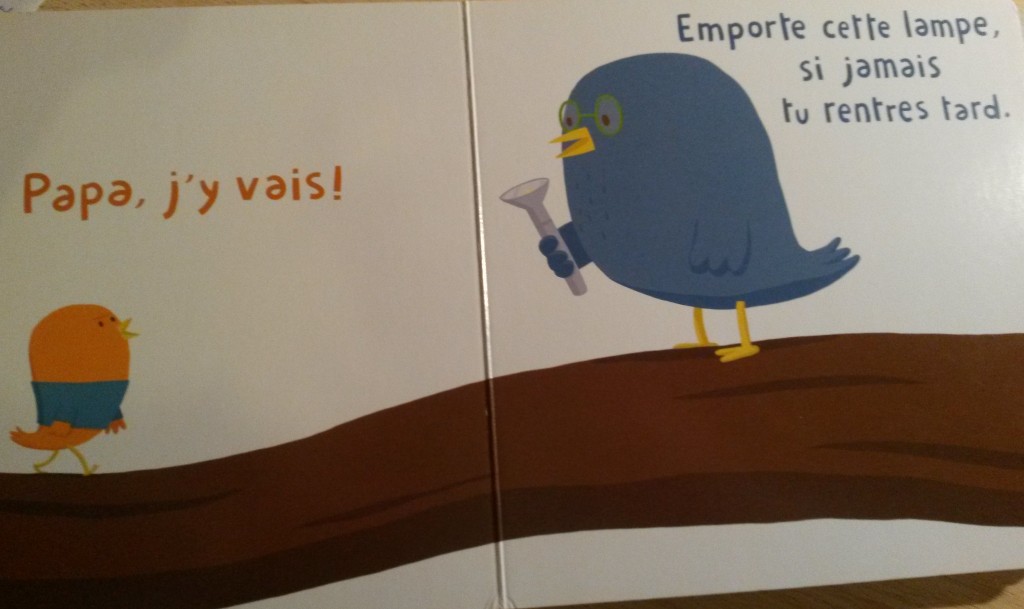
Before he leaves the nest, every family member hands him something useful. Mum gives a sweater, Dad a lamp, Grandma some biscuits, Grandpa a cap. The child is left guessing where he could possibly be going — somewhere he might get cold, come home late or feel hungry.

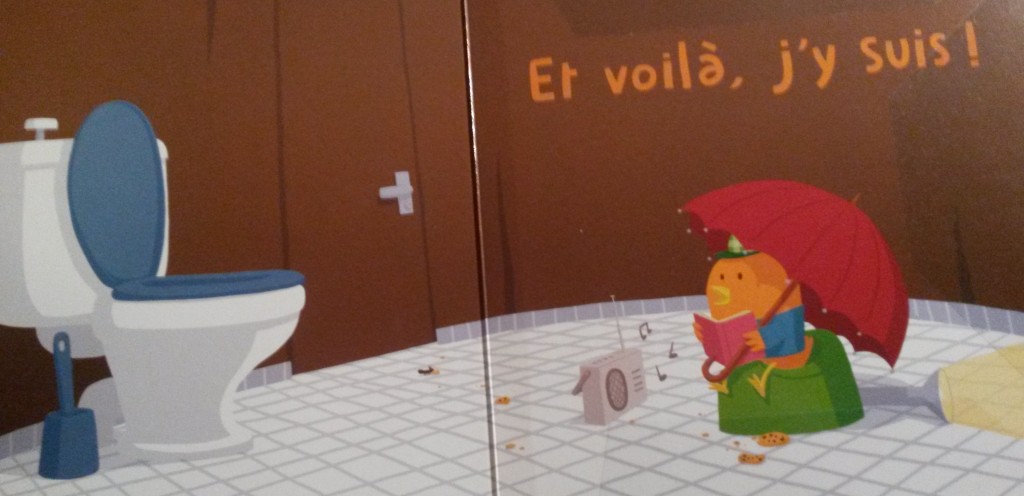
The answer, of course, is the potty. With very little text, clean drawings and a touch of suspense, the book invites toddlers to guess along, which is precisely what makes it such a gentle entry point into continence.
Quick takeaways
- A funny picture book lowers the pressure around potty training for both child and parent.
- The story works by suspense: objects hint at a destination only revealed at the end.
- Board pages, a small format and minimal text suit children from around two years old.
- Read it for pleasure first, then use the story as a shared reference later.
- Keep books near the bathroom and never insist on sitting if your child refuses.
- Look for short, kind, sturdy books that never frame accidents as failure.
What the Story Is Actually About
On the surface, this is a simple adventure: a determined little bird leaves the nest and meets relatives along the way. Each of them adds an object to his pile, building a small mystery that young listeners love to solve. The publisher's summary captures it well — a bird finally decides to leave the nest, loaded with recommendations about a sweater, biscuits and a cap.
The trick is that none of these objects make sense until the final page reveals the destination. Cold, late nights and hunger all point somewhere unexpected: the potty. That shift from adventure to bathroom is the whole joke, and it lands perfectly with children aged two and up.
Because the text is so sparse, there is plenty of room for your child to talk. You can pause before the reveal and ask where they think the bird is going, which builds both vocabulary and anticipation. If you want more ideas for keeping little ones engaged through play, this importance of play is a good reminder that learning rarely feels like learning. Much like a child who travels without parents, the little bird discovers that reassurance comes from familiar comforts.

Why Humour Helps With Potty Training
Continence is one of the first big things a toddler is asked to control, and it can quickly become a power struggle. A funny book sidesteps that tension entirely. Nobody is being told what to do; everyone is simply in on the joke about a bird with a lamp and a cap.
Laughter lowers the pressure for parents too. Reading together gives you a neutral script, so you can talk about the potty without nagging. That matters, because children pick up on adult anxiety fast, and a relaxed tone does more for progress than repeated reminders, as César Bona reminds us.
Making the Book Part of the Routine
Keep it near the bathroom and read it while your child sits, with no expectation attached. You can also act out the story with a small toy bird carrying a scarf or a biscuit, which turns the idea into a game rather than a test. For families juggling several routines at once, the same low-pressure approach works well with baby bathing and other daily rituals. The same spirit carries over to choosing stories that grow with your child.
| Feature | What it offers | Why it helps toddlers |
|---|---|---|
| Minimal text | A few lines per page | Short attention spans are respected |
| Board pages | Thick, tear-resistant card | Little hands can turn pages alone |
| Small format | Easy to hold and carry | Feels like the child's own book |
| Gentle suspense | Objects hint at the ending | Encourages guessing and talk |
| Humour | A bird heading to the potty | Removes shame and pressure |
A Format Built for Very Young Children
Thick cardboard pages, a small square format and very few words make this book unusually toddler-friendly. Little hands can turn the pages without tearing them, and the short text means the story can be finished before attention drifts. That combination is hard to find and worth seeking out.
The illustrations are deliberately spare, with plenty of white space, so the eye goes straight to the characters and the objects they hand over. For a two-year-old, that clarity is a real advantage. It also makes the book easy to revisit dozens of times, which is exactly what toddlers want.
If you are building a small shelf of board books for this age, it helps to mix stories like this one with open-ended toys that invite imitation. A look at toys for newborns shows how quickly preferences shift as babies grow into toddlers, and why sturdy, simple materials tend to last longest.
How to Use the Book at Home
Start by reading it purely for pleasure, with no potty in sight. Once your child knows the ending, the joke becomes a shared reference you can use later: "Remember the little bird? He's going too." That kind of shorthand works far better than instructions.
Timing matters. Choose calm moments rather than the rushed minutes before leaving the house, and never insist on sitting if your child refuses. Progress with continence is rarely linear, and gentle repetition is more effective than pressure.
Pairing Books With Everyday Learning
Books are one tool among many, and they sit naturally alongside other daily routines. Families who enjoy learning through stories often look for primary school notebooks once children get older, and the same principle applies: familiar, cheerful material makes practice feel less like work. You can also keep a small basket of books in the bathroom so reading and sitting are linked without any spoken demand.

Where to Find It and What to Look For
This title is widely available in libraries, bookshops and online retailers, so borrowing it first is an easy option. Libraries are ideal for testing whether a book clicks before buying, and many have a dedicated toddler section.
When choosing similar books, look for short text, sturdy pages and a clear, kind punchline. Avoid anything that frames accidents as failure. If you are shopping in person, independent stores often have knowledgeable staff; our guide to toy stores San Jose gives a sense of what a good children's section looks like.
It also helps to think beyond the book. A small basket of toys under twenty can provide quiet distraction during long sits, and a simple reward chart drawn together can add motivation without bribery. Keep the focus on the story and the routine rather than on results.

My hands-on take
I first picked this book up at the library almost by accident, drawn in by the tiny format and the determined little bird on the cover. My child was nowhere near ready for the potty, so we simply read it as a story about leaving the nest, and the ending made us both laugh.
Months later, when we actually started sitting on the potty, that book became our shorthand. Instead of saying "time to try", I would ask whether the little bird was going too, and the whole thing turned into a game rather than a demand. We had plenty of setbacks, and some days the book stayed on the shelf. What stayed with me was how much easier the process felt when we were laughing together instead of counting successes.
Frequently asked questions
At what age can we start reading this book?
The publisher recommends it from two years old, which matches the age when many children begin showing interest in the potty. You can read it earlier purely as a story and let the meaning arrive later.
Does a book alone make potty training happen?
No. A book is a supportive tool that normalises the idea and reduces tension, but readiness, timing and patient repetition do the real work. Use it alongside a calm routine rather than as a method on its own.
What if my child is scared of the potty?
Keep the book in the picture and remove all pressure to sit. Reading about a confident little bird can slowly shift the mood, and letting your child decide when to try usually helps more than encouragement.
Is it worth buying or better to borrow?
Borrowing first is sensible, since toddlers are particular about which books they return to. If your child asks for it repeatedly, that is a good sign it belongs on your shelf.
Product Reviews
 Best Toys for Dogs With High Prey Drive |
Best Outdoor Toys for 3-4 Year Olds |
Best Outdoor Toys for 6 Year Olds |
Best Harness for Poodle |
Best LEGO Sets for Adults |
Best Travel Toys for 4 Year Olds on Airplane |
Best Toy Stores in Washington DC |
Best Potty Training Toys |
Best Toys for Tripod Dogs |
Maillot equipe de france







