


Heart coherence is a stress and emotion management technique built on breathing control. By regulating the heart rhythm through specific breathing exercises, you can positively influence emotional state and stress levels, and children can practise it too.
It is a physiological state you reach by following one simple breathing rule: six breaths per minute at regular intervals are enough to bring the body into coherence. The most common method is called the "365 rule".

Children can easily use heart coherence exercises to lower their stress, gain self-control, regulate aggression and improve their performance. All it takes is a clear image and a few minutes a day.
Quick takeaways
- Heart coherence uses slow breathing to calm stress and emotions in children.
- The 365 rule: three times a day, six breaths per minute, for five minutes.
- The butterfly image makes the in-breath and out-breath easy to follow.
- Three to five cycles, three times a day, is the recommended rhythm.
- Teachers can use it on arrival, after lunch and before assessments.
- Practise together and keep sessions short, playful and regular.
What Is Heart Coherence and Why Try It With Children?
Heart coherence is a technique for managing stress and emotions based on controlling the breath. Regulating the heart rate through specific breathing exercises has a positive effect on emotional state and stress levels. It is not reserved for adults: children can practise it just as well, and often enjoy it more when it is presented as a game.
For a child, the benefits are practical rather than abstract. Regular practice helps reduce stress, build self-control, regulate aggression and even improve performance at school. Think of it as a small daily habit, like the routines in these household chores responsibility ideas that give children a sense of mastery.
Breathing as a Tool, Not a Chore
The key is to keep it short and playful so it never feels like homework. A child who is overtired or unwell may resist, so pick calm moments rather than moments of conflict. If sleep is a struggle, the gentle routines in baby sleeps well can pair nicely with a breathing exercise at bedtime.
The 365 Rule: Three Times a Day, Six Breaths, Five Minutes
The most common way to reach heart coherence is the "365 rule": three times a day, six breaths per minute, for five minutes. Six slow breaths per minute at regular intervals are enough to bring the body into coherence. The rhythm matters more than the effort, so slow and steady wins.
For children, the session can be shortened and kept playful, but the structure stays the same. Ideally, three to five cycles are recommended, three times a day. That makes it easy to slot into mornings, after school and bedtime without anyone noticing they are "doing therapy".
Why the Numbers Are So Low
Six breaths a minute is much slower than normal breathing, which is exactly the point: the slow pace is what shifts the body into coherence. Keep the tone light and stop if a child feels dizzy or uncomfortable. As with the back contractures holding children, posture and comfort matter, so let them sit upright and relaxed.

| Moment | Exercise | Duration |
|---|---|---|
| Morning | Butterfly breathing | About 5 minutes |
| After school | Butterfly breathing | 3 to 5 cycles |
| Before bed | Slow breathing | A few minutes |
| Classroom arrival | Group breathing | Short pause |
| Before a test | Butterfly breathing | About 1 minute |
The Butterfly Exercise: A Simple Image for Children
An image makes practice much easier for children. Ask them to picture a butterfly: they breathe in when the butterfly's wings beat and rise, and breathe out when the wings come down. The visual gives the breath a rhythm the child can follow without counting.
You can also use a hand as the butterfly, opening the fingers on the in-breath and closing them on the out-breath. This works anywhere, which is handy on busy days, on a journey or while waiting. Travel-friendly calm tools like these travel toys airplane can complement the exercise when you are on the move.
Making It Stick
Repeat the image often enough that it becomes a shared cue: "let's do the butterfly" is easier than "let's do breathing exercises". A calm, familiar ritual helps a child settle, much like a favourite little wooden house or comfort object does at the end of the day.
Using Heart Coherence in the Classroom
Teachers can build simple exercises into the school day: once on arrival in the morning, once when lessons resume at 1:30 pm, and before each assessment. These short pauses help children arrive calmer, refocus after lunch and settle their nerves before a test.
The routine works best when it is predictable and brief, so it does not eat into lesson time. A whole class breathing together also creates a calmer atmosphere, which benefits everyone. For younger children, the same principle applies at home, where small responsibilities such as those in these chores for children can anchor a daily rhythm.
Before Assessments
A minute of butterfly breathing before a test gives anxious children something concrete to do with their worry. It is not about removing pressure but about giving the body a way to reset. Some teachers pair it with a short stretch, since tension often shows up in the body first.
Getting Started at Home: Practical Tips for Parents
Start with one session a day and build up to three, keeping each one short and calm. Practise alongside your child rather than instructing from across the room, because modelling the breath is far more effective than explaining it. Choose regular moments, such as after breakfast, after school and before bed.
Keep expectations realistic: some days it will last thirty seconds, and that is fine. The goal is familiarity, not perfection. If your child is restless or fidgety, a small metal fidget toys object to hold can help them stay with the slow rhythm.
When Life Is Busy
Busy family life makes routine hard, so tie the practice to something that already happens every day. If a child is unwell or tired, gentler approaches such as the ones discussed in fever lowering advice may be more appropriate than a demanding exercise. The point is to offer calm, not another task to complete.
Further Resources and Going Deeper
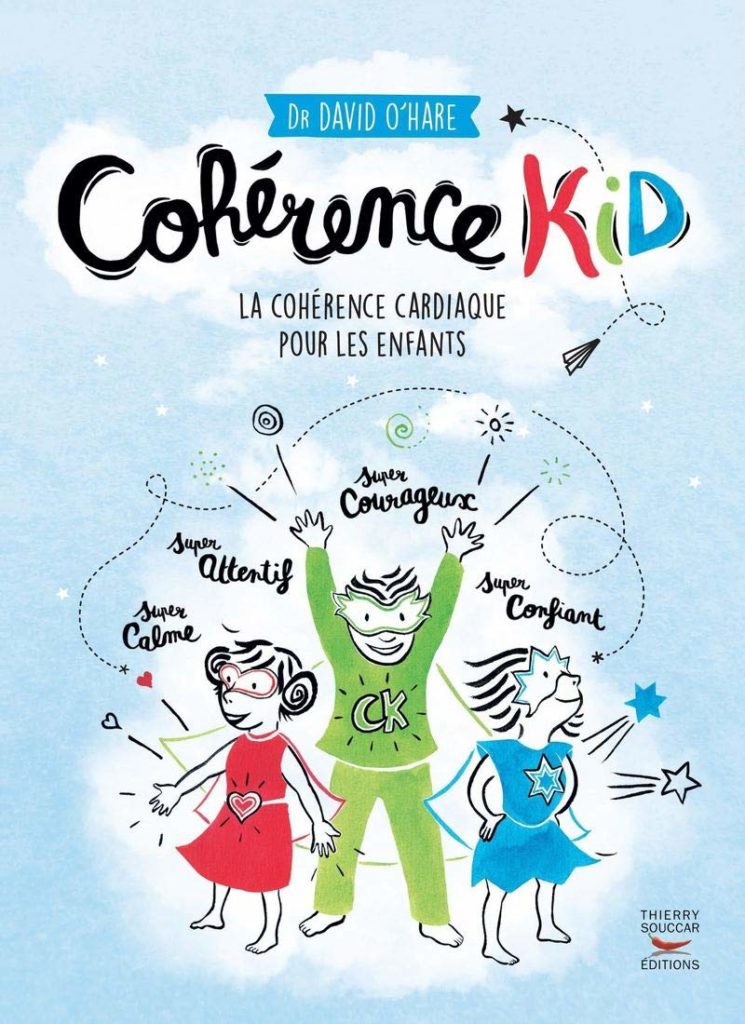
For families who want to explore the topic further, David O'Hare's book "Cohérence kid – La cohérence cardiaque pour les enfants" (Thierry Souccar editions) offers more resources on heart coherence for children. It is available in libraries, bookshops and online retailers.
Reading about the method is a good complement to practice, but the exercises themselves remain the heart of it. Parents who want to build a calmer home environment often find that small, repeated rituals do more than any single long session. Pairing breathing with other calm routines, such as those in rest during pregnancy for the adults in the house, helps the whole family slow down.
Keep It Simple
You do not need equipment, an app or a special room. A quiet corner, a picture of a butterfly and five minutes are enough to begin, and consistency matters far more than duration.

My hands-on take
I started trying the butterfly exercise with my own child during a period when after-school meltdowns were a daily event. What surprised me was not the breathing itself but the cue: once "let's do the butterfly" became a familiar phrase, my child began asking for it before I did. We never managed a perfect three times a day, and honestly some weeks it was once, but the short sessions we did keep seemed to take the edge off difficult moments.
The lesson for me was to stop treating it as a technique to master and start treating it as a small shared ritual. Sitting down together, opening and closing our hands like wings, worked far better than any explanation of why breathing matters. If you are starting out, my advice is to pick one moment that already happens every day and attach the exercise to it, then let it grow from there.
Frequently asked questions
At what age can a child start heart coherence?
Children can practise simple breathing exercises as soon as they can follow a picture or imitate a hand movement. Keep sessions very short for younger children and make it playful rather than formal.
How often should we practise?
The classic recommendation is three times a day for five minutes, following the 365 rule. In practice, starting with one short daily session and building up gradually works well for most families.
Does it really help with aggression?
Slow breathing gives children a concrete way to settle their body when emotions rise. It supports self-control and stress reduction, especially when practised regularly rather than only in moments of conflict.
Can it be done at school?
Yes. A common approach is one session on arrival, one when lessons resume after lunch and one before assessments. Short, predictable group breathing fits easily into the school day.
Product Reviews
 Best Toys for Dogs With High Prey Drive |
Best Outdoor Toys for 3-4 Year Olds |
Best Outdoor Toys for 6 Year Olds |
Best Harness for Poodle |
Best LEGO Sets for Adults |
Best Travel Toys for 4 Year Olds on Airplane |
Best Toy Stores in Washington DC |
Best Potty Training Toys |
Best Toys for Tripod Dogs |
Maillot equipe de france







