


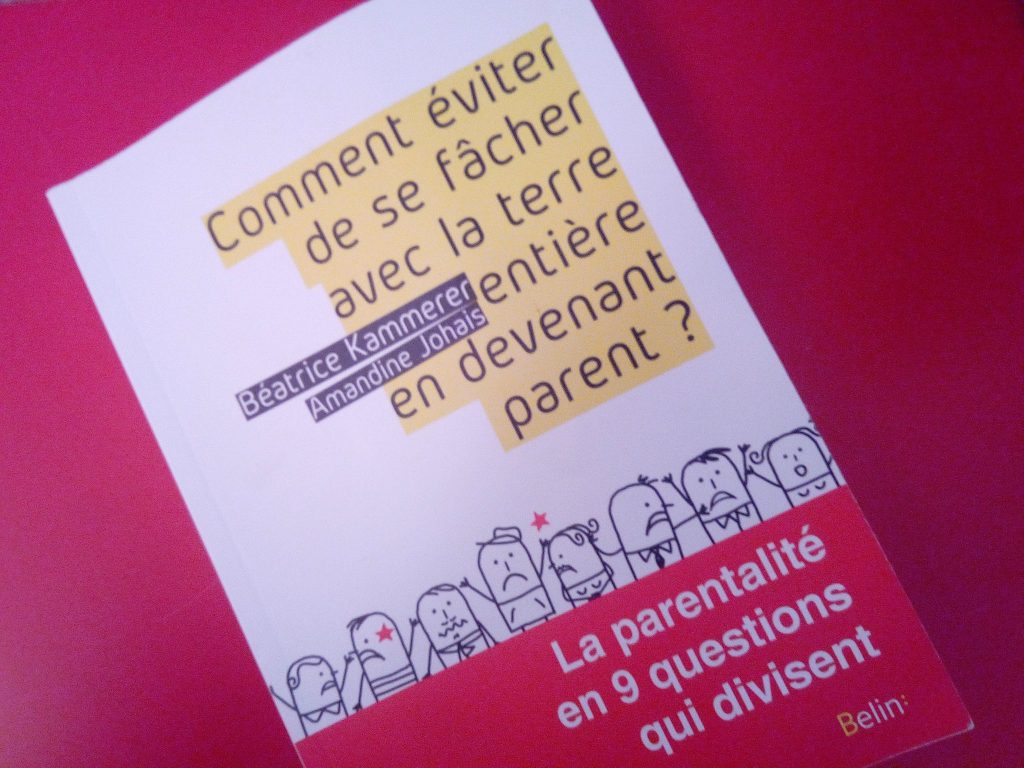
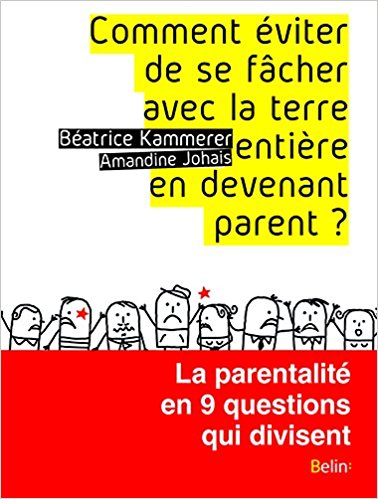
This parenting debates book takes on the questions that divide families, friends and online forums alike: is there ever a right age to have a child, do new fathers make better mothers, should the child-king be tamed, and will anyone survive the teenage years?
Rather than offering a step-by-step manual, the two authors go back to the sources, drawing on psychology, history, sociology and medicine to explain the scientific and ideological roots of each argument. The result is a tool that helps parents build their own answers instead of borrowing someone else's.

Quick takeaways
- A review of a French book on nine classic parenting debates.
- Draws on history, psychology, sociology and neuroscience.
- Rejects ready-made advice in favour of informed personal choices.
- Warns against the race for the perfect baby and perfect parent.
- Written with humour, rigour and a touch of feminism.
- A rich bibliography invites readers to dig deeper.
What this parenting book actually is
This is not a "how to" manual. It is a dense but readable work that pulls together historical context, references to researchers across many fields, scientific studies and even legal texts. It moves through history, psychology, psychoanalysis, anthropology, sociology, education theory and neuroscience, showing how many habits we treat as natural are really the product of a particular time and culture.
The point is not to hand out pre-chewed advice or guilt-inducing commands. It is to give parents back the freedom to make informed, conscious choices, with the full picture in hand. The rich bibliography is treated as a genuine part of the book, a map for anyone who wants to dig deeper, much like the practical guidance you might find in parenting TED talks or a two year guide.
The nine questions that divide parents
The book is built as nine essays, each tackling a classic parenting debate with humour and intellectual rigour. The chapter titles alone show the tone: "35 and still no child? Careful, it will soon be too late!", "Natural birth: why not give birth in the jungle?", and "Sleeping through the night at two weeks, playing alone at six months, eating alone at one year... two years old, isn't it too early for his own flat?"
From autonomy to adolescence
Other chapters ask whether new fathers make better mothers, who takes the sick days when the thermometer reads 38.6°C, and whether a child who dislikes puzzles is developing normally. The final questions cover taming the child-king, choosing between play and learning, and surviving what the authors call the "A-dolescence bomb". Each one connects to everyday worries, whether that is toys for two year olds, normalized aggression or sibling bonds.
| Chapter theme | Core question | Reader takeaway |
|---|---|---|
| Age and children | Is it ever too late? | Question social pressure |
| Birth choices | Natural or medical? | Context matters |
| Autonomy | How fast is too fast? | Avoid the race |
| Fathers | Do new dads do better? | Rethink roles |
| Sick days | Who stays home? | Shared responsibility |
| Development | Is my child normal? | Beware benchmarks |
Why the authors push back on perfect parenting
One of the strongest passages targets the idea that an action is good only if it boosts a child's cognitive development. Cuddling would then be justified because it is "good for the brain" rather than because it feels right; punishment would be avoided because it is "bad" for intellectual potential rather than because we want a relationship built on respect and cooperation.
Kammerer asks, not without worry, what choices we would make if "an American study" proved that raising children naked on an ice floe made them smarter. The race for the perfect baby, she notes, usually comes with an equally vain race for the perfect parent. It is a useful counterweight to the pressure many families feel, and it pairs well with reflections found in a viral bathroom decision or baby carrying habits.
The authors behind the book
Béatrice Kammerer holds a degree in education sciences and founded a participatory site on parenting questions. She is a journalist, a blogger and a mother of five. Amandine Johais has a background in business law and works as a web writer; she is a mother of two.
Their combined experience shows in the writing, which mixes rigour with a light touch and a dose of feminism. Readers who enjoy this kind of evidence-based reflection may also appreciate resources such as teacher family relationships or rainy day activities to keep the thinking practical.
Strengths and limits for readers
The main strength is perspective: it takes what we assume is natural and places it back in its historical, social, economic and political context. It makes you want to explore further and to track down the works cited in the bibliography, and it engages readers in a real train of thought rather than a list of orders.
The limit is that it offers no quick fixes. Parents looking for a ready-made routine will not find one here. Those willing to think, however, will find a book that respects their intelligence, much like a thoughtful clothing label guide respects a parent's time by being clear and useful.

My hands-on take
I picked this book up expecting another list of rules and was relieved to find the opposite. What stayed with me was the ice floe argument: it made me laugh, then made me realise how often I justify a cuddle or a limit by citing what is "good for the brain" instead of what feels right for our family.
Since reading it, I have tried to pause before chasing the next milestone and to ask what actually makes sense for us right now. It is not a book that hands you answers, but it gave me better questions, and that has been more useful than any checklist.
Frequently asked questions
Is this a practical parenting manual?
No. It is a reflection-based book that explains the roots of common debates rather than giving step-by-step routines, so it suits parents who want to think rather than follow instructions.
Who are the authors?
Béatrice Kammerer, an education sciences graduate, journalist and mother of five, and Amandine Johais, a web writer and mother of two.
Does it take sides?
It leans toward evidence and context rather than dogma, and it gently critiques the pressure to optimise children's intelligence at all costs.
Is it easy to read?
Yes. Despite the density of references, the tone is accessible and often humorous, and the bibliography is designed as a genuine part of the book.
Product Reviews
 Best Toys for Dogs With High Prey Drive |
Best Outdoor Toys for 3-4 Year Olds |
Best Outdoor Toys for 6 Year Olds |
Best Harness for Poodle |
Best LEGO Sets for Adults |
Best Travel Toys for 4 Year Olds on Airplane |
Best Toy Stores in Washington DC |
Best Potty Training Toys |
Best Toys for Tripod Dogs |
Maillot equipe de france







