


Body respect and consent for kids can feel like a difficult subject to open, yet a simple song can carry the whole conversation. "Mon corps, c'est moi" was created by Maëlle Challan Belval, a relationship counsellor and trainer who founded Comitys, an organisation specialising in affective, relational and sexual education.
The song is designed for children, but also for the adults around them: parents, teachers and prevention workers who need a friendly way into a delicate theme. Each verse takes on one specific idea, from different kinds of bodies to self-esteem.

You do not need to be an expert to use it. You only need a few minutes, a calm moment, and the willingness to let children ask questions.
Quick takeaways
- The song covers body diversity, puberty, trusted adults, consent and self-esteem
- It is designed for children and for the adults who guide them
- Each verse introduces one theme, making discussion easy to structure
- Use it as an opener, then let children ask the questions
- Repetition at home helps ideas settle over time
- Lyrics and session ideas are available for download
Who Created the Song and Why
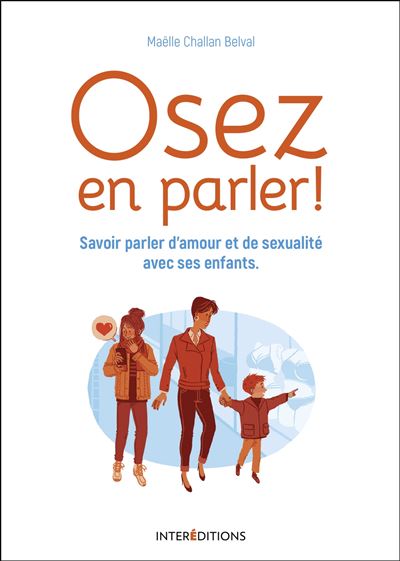
Maëlle Challan Belval is a relationship counsellor and trainer. She founded Comitys, an organisation dedicated to education in affective, relational and sexual life, and she wrote a book on the subject, "Osez en parler !", published by Dunod.
She released the song as a video, framed as both affective and sexual education and as violence prevention. The aim is not to frighten children but to give them words they can use. Adults who want to build wider conversations about growing up may also find ideas in these learning to speak milestones, since vocabulary and confidence grow together.
The song works as a shared starting point rather than a lesson to be memorised. It opens a door, and the adult decides how far to walk through it.
Every Verse Has a Theme
The structure is simple and deliberate: one verse, one idea. The first verses explore the different kinds of bodies children see around them, including disabled bodies and injured bodies. This helps children understand that bodies vary and that difference is not a problem.
A later verse addresses puberty, naming it as a normal stage rather than something strange or secret. Another focuses on the importance of finding someone you trust, a key protective factor for any child. If your child is often unwell or withdrawn, these always tired signals are worth discussing calmly with a trusted adult too. For playful ways to explore everyday themes like this, try meals from children's characters together.
Consent and Self-Esteem
The song also covers consent, giving children the idea that they can say no about their own body, and self-esteem, reminding them that their body belongs to them and deserves care. These are abstract ideas, so the song anchors them in images and rhythm children can hold onto, much as natural Europe routes anchor big ideas in memorable places.
| Verse theme | What children learn | Adult prompt |
|---|---|---|
| Different bodies | Bodies vary, including disabled or injured ones | Which bodies have you seen? |
| Puberty | Change is normal and can be discussed | What have you heard about growing up? |
| Trusted person | Identify someone safe to talk to | Who would you go to? |
| Consent | They can say no about their own body | What does stop mean? |
| Self-esteem | Their body belongs to them | What do you like about yourself? |
How to Use It With a Group
The song was made to support a conversation or a group session, not to replace it. Play the video once without comment, then ask open questions: what did you notice, which part did you like, what does this word mean to you?
Keep the tone light and let silence do some work. Children often raise the most important points themselves when they feel no one is testing them. Teachers who want to extend the session into other areas of wellbeing can borrow discussion formats from these Montessori toys activities, which favour hands-on, child-led exploration.
If you are preparing a longer programme, downloadable lyrics and session ideas are available from the organisation behind the song, which makes planning much easier.
Talking at Home, Not Only at School
At home, the song can be a bedtime listen or a car-ride conversation. The key is repetition: children return to the same ideas over months and gradually make them their own. A short chat after school often works better than a formal sit-down.
Parents sometimes worry they will say the wrong thing. In practice, honesty and calm matter more than perfect wording. If you are unsure how to begin, the practical prompts in this everyday questions guide show how ordinary moments can open big topics. Playtime can help too, as these outdoor toys show.
Keep the door open. A child who knows questions are welcome is a child who will come back with more of them later.

Building a Wider Culture of Respect
A single song will not change a family culture, but it can be one thread in a larger pattern. Respect for the body connects to how we speak about other people, how we handle teasing, and how we respond when a child says stop.
It also connects to how children feel about themselves. Self-esteem is not built by praise alone; it grows when a child is listened to and taken seriously. Adults who want to reflect on their own patterns may find this toxic parents analysis a useful mirror, not a judgement. The same care shows up in hard moments, such as deciding whether to take the child to a funeral.
Finally, remember that these conversations are not one-off events. They are small, repeated moments that tell a child their voice counts, much like choosing science toys that honor their interests.

My hands-on take
I first tried this song on a rainy afternoon when my daughter was six and full of questions about why a classmate wore a cast. We listened once, then she asked what "consent" meant, and I found myself explaining it with a much simpler example than I had planned: asking before hugging someone.
What struck me was how little I had to do. The song did the introducing, and I only had to stay available. We have played it a few times since, and the conversations are different each time, shorter or longer depending on her mood. My advice is not to turn it into a lesson. Put it on, stay nearby, and let the questions come when they come.
Frequently asked questions
What age is the song suitable for?
It is written for children, with simple language and short verses. Adults should judge the right moment based on the child, and can use single verses rather than the whole song with younger children.
Do I need training to use it?
No. The song was created to help parents and educators open a conversation, and it works as a starting point rather than a script. A calm, listening attitude matters more than expertise.
What if my child asks a question I cannot answer?
Say honestly that you will think about it and come back to them, then do. This models trust and shows the child that no question is forbidden.
Can it be used in a classroom?
Yes, it was designed partly for group sessions and prevention work. Play it once, then facilitate an open discussion rather than a lecture.
Product Reviews
 Best Toys for Dogs With High Prey Drive |
Best Outdoor Toys for 3-4 Year Olds |
Best Outdoor Toys for 6 Year Olds |
Best Harness for Poodle |
Best LEGO Sets for Adults |
Best Travel Toys for 4 Year Olds on Airplane |
Best Toy Stores in Washington DC |
Best Potty Training Toys |
Best Toys for Tripod Dogs |
Maillot equipe de france







