


Motherhood myths put enormous pressure on mothers, and learning to spot them is the first step toward a calmer, more balanced family life. Many women carry a quiet sense that they are falling short, even when they are committed, patient and well informed.
According to teacher and author Beth Berry, modern "mythological motherhood" is a recent phenomenon behind much of the dissatisfaction, disillusion and guilt felt by mothers today. The gap between what we believe is possible and what daily life actually looks like grows wider the more we buy into these myths.

The good news is that this trend can be reversed. Naming the myths, examining how they wear us down and recovering our own instincts is where the work begins.
Quick takeaways
- Mythological motherhood is the gap between idealised stories and real daily life
- Career success is not the only route to autonomy and self-realisation
- Both stay-at-home and working mothers face unfair, divisive judgement
- Perfect parents do not exist; children need authentic parents instead
- Chasing perfect balance is impossible, so aim for your own centre
- Treat advertising and shopping as stories, not as the truth about life
What mythological motherhood actually is
Beth Berry describes mythological motherhood as the huge distance between what we think is possible, based on the stories we tell ourselves and are told, and what our real daily lives look like. The wider that gap, the more we have absorbed certain parenting myths.
This mass mythology is presented as the truth about motherhood, yet it has produced a whole generation of mothers who doubt their abilities and feel incompetent. They are often engaged, patient, informed and willing, which makes the pattern all the more tragic.
To move past myths that take over our intuition and our heart, start by knowing them. Then look honestly at how they damage your life and let your own way of parenting emerge, whether that involves conscious parenting or simply trusting your instincts more.
Myths about success, career and self-realisation
The first myth claims that autonomy and self-realisation come from a well-paid career and upward mobility: more responsibility, more people to manage, more money, more possessions. The counter-idea is that we become autonomous when we take full responsibility for our lives, face our fears and accept living the life we truly want rather than the one sold to us by media, society, teachers or parents.
Self-realisation and motherhood only become opposites when we let others define success and power for us. If you are weighing a return to work, resources on maternity clothes can make the practical side feel less daunting.
Two opposite myths about work
Myth three says wanting to stay home signals a lack of intelligence, ambition or competence. Myth four says wanting to work outside the home signals weak love for your children. Both are destructive and divisive. Real freedom for mothers needs material, social and political support, such as better-paid maternity leave and accessible parent cafés.
Rather than waging a war of "perfect mums", we could focus on protecting the parent-child connection in whatever form each family chooses. Part-time work, longer parental leave, remote work and more childcare places help far more than judgement. Families also need room to breathe together, and ideas like online escape rooms show how shared time can be simple and playful.

| Myth | What it claims | Counter-idea |
|---|---|---|
| Career myth | Success means a well-paid, upward career | Autonomy comes from owning your choices and fears |
| Stay-at-home myth | Wanting to stay home shows low ambition | It is one valid choice deserving support |
| Working-mother myth | Working outside shows weak love | Connection matters more than the form it takes |
| Perfection myth | Doing more "right" things avoids failure | Children need authentic, not perfect, parents |
| Balance myth | Perfect balance is achievable | Find your centre instead of chasing balance |
| Consumer myth | Advertised life is the real life | Marketing is a fairy tale, not reality |
The myth of the perfect parent and the perfect balance
Another myth promises that we can avoid "messing up" our children's education by doing a little more of the "right" things and following more "shoulds". The counter-idea is blunt: perfect parents do not exist. Modern motherhood mythology sold us the belief that perfection, or near perfection, was achievable.
Every human being is born to face problems, overcome challenges and grow through them. It is not our job to be perfect, and chasing perfection will not necessarily benefit our children. It is our job to be ourselves, because children need authentic parents.
The sixth myth is that we are all seeking perfect balance. Beth Berry prefers the idea of a "centre". Chasing balance in everything is impossible and can make us miss the richness of the world and the people around us. Once we find our centre, our Element, which means digging through layers of culture, upbringing, beliefs and prejudice, we can act from something steadier.
Practical life still matters, and small systems help. Tips on organize LEGO or advice on children's bicycle choice can reduce daily friction so your energy goes to connection rather than logistics.
Consumer fairy tales and the pressure to buy
Myth two says the life shown in shops and adverts is the real life, or at least the life that should be. The counter-idea is that marketing's fake reality, a life that is always pleasant in an orderly, beautiful, cheerful, perfect home with a smiling face, is a very seductive story.
Because we want calmer, fuller lives, it is easy to fall into these commercial fairy tales, which widen the gap between what we believe possible and what is real. Beth Berry suggests treating everything from consumer society as a story: you walk into a shopping centre the way you open a storybook, and it is never more than a story.
That lens is useful when choosing toys and gear. A review of toys under $50 or a guide to language development toys can help you pick deliberately instead of reacting to advertising, and knowing LEGO set cost keeps collectible purchases in perspective.
Why the myths hurt and how to push back
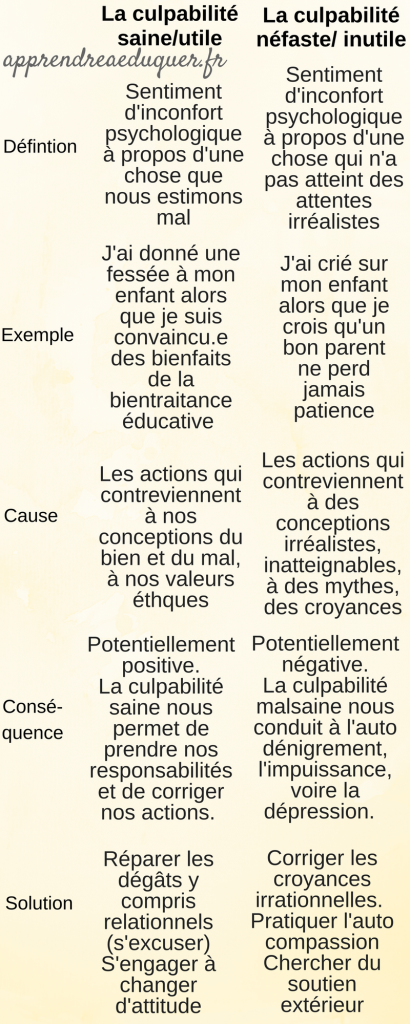
The pressure is not imaginary. When mothers measure their ordinary days against a mythology presented as truth, the result is a persistent sense of falling short. Recognising the gap is not about blaming yourself; it is about noticing where the story came from.
Pushing back can be practical. Ask which "shoulds" you actually chose and which were handed to you. Talk with other parents about the messy parts, not just the highlights. Protect small rituals of connection, and let good enough be a real standard rather than a compromise.
Support also comes from the wider culture, so advocating for family-friendly conditions matters as much as personal mindset. Meanwhile, everyday choices, from protecting children's feet in winter to baby care tips, become easier when you trust your own judgement instead of an idealised script.

My hands-on take
I remember standing in a shop aisle, convinced that the right purchase would finally make our mornings run smoothly. It did not, of course, but noticing that pattern helped me see how much of my parenting stress came from stories rather than reality. Now, when I feel that familiar guilt creeping in, I try to ask one simple question: whose script is this? Most of the time, it is not mine.
What helped most was lowering the bar on purpose. I stopped trying to be the parent in the adverts and started being the parent who shows up, tired and imperfect, and still listens. The days got messier and, honestly, much calmer.
Frequently asked questions
What is mythological motherhood?
It is a term for the modern set of idealised beliefs about motherhood that are presented as truth. The gap between those beliefs and real daily life fuels guilt and self-doubt in many mothers.
Are these myths only about working versus staying at home?
No, they cover success, consumer culture, perfection, balance and more. The work myths are simply the most visible and the most divisive.
Can I overcome these pressures?
Yes, and the first step is naming the myths and noticing how they affect you. From there you can recover your own instincts and define success on your own terms.
Does this mean I should ignore all advice?
Not at all. It means questioning where the "shoulds" come from and keeping what genuinely fits your family, rather than measuring yourself against a story.
Product Reviews
 Best Toys for Dogs With High Prey Drive |
Best Outdoor Toys for 3-4 Year Olds |
Best Outdoor Toys for 6 Year Olds |
Best Harness for Poodle |
Best LEGO Sets for Adults |
Best Travel Toys for 4 Year Olds on Airplane |
Best Toy Stores in Washington DC |
Best Potty Training Toys |
Best Toys for Tripod Dogs |
Maillot equipe de france







