


Tantrums and big emotions can leave any parent feeling powerless, especially when your child seems swept away by feelings far stronger than they can handle. The good news is that you do not need to stop the storm; you need to be the steady point your child can lean on while it passes.
This guide walks through a gentle, practical approach for children roughly aged three to eleven. It starts with you, moves to what your body says, and ends with how you listen, so you can accompany intense feelings instead of fighting them.

Quick takeaways
- Regulate yourself first: breathe, ground, and name your own emotions.
- Separate facts from interpretations before you react.
- Use a stable, open posture at your child's height.
- Listen with empathy, silence, and gentle reformulation.
- Avoid shouting, grabbing, or mocking during a crisis.
- Accompany the emotion instead of trying to stop it.
Start with your own emotions first
Think of the oxygen mask on a plane: you cannot give air to a child if you are running out yourself. Before you respond to a tantrum, press pause and take care of your own state. Breathe deeply with long exhales, stretch, or walk a little to find physical grounding.
Then notice the mental chatter that makes things worse, such as “here we go again.” Separate the observable facts from their effect on you: describe what happened as a camera would have filmed it, without judgment. Name your emotions rather than suppressing them, and recognise automatic reactions like shouting or grabbing an arm so you can stop them.
Why this matters
A regulated adult is the real tool here. If you are curious how everyday modelling shapes children, read about how to learn from children and let their pace slow you down.
Use calm, effective non-verbal communication
When a child is overwhelmed, your body speaks before your words. Adopt a stable, reliable posture, like a stake a small shaken plant can lean on. Crouch to the child's height with your feet firmly on the floor, close the distance without appearing threatening, and keep your gaze open and wide rather than staring.
Open your arms and chest, unclench your jaw, and relax your muscles. Give yourself time, because a crisis tends to last longer when we try to rush it. These small physical choices help you keep your own psychological bearings too.
Reading the body
Children signal needs physically. Crossed arms often mean they need space, hair-pulling or lip-biting may call for protection and contact, and tears at the edge of the eyes ask for comfort and a safe place to cry. For more on how movement and body awareness develop, see what psychomotor skills actually cover.

| Step | What to do | What to avoid |
|---|---|---|
| Regulate yourself | Breathe, stretch, name feelings | Rushing in while tense |
| Body language | Crouch, open posture, soft voice | Staring, looming, clenched jaw |
| Listening | Reflect and confirm feelings | Judging or mocking |
| Timing | Allow the crisis to unfold | Trying to win time |
| Aftermath | Reconnect through play | Lecturing mid-storm |
Listen with empathy, not judgment
Remember: it is your child's emotion, not yours. Your job is to hear it and help them decode what is happening. Show sincere, non-judging interest with phrases like “You're telling yourself that… and it makes you…” or “I see you're upset; it really is hard to…” Stay attentive, do nothing but listen, and allow silence, nodding and time before you respond.
Reformulate what you understand in your own words and ask your child to confirm it, so they feel truly heard. Speak softly and low, since voice and posture carry as much as words. Never mock or judge the reaction: emotions follow a survival logic, and every person has a good reason for feeling what they feel.
Accompany, don't dam
Your child's reaction is the best response they found to something they experience as a threat or as too complex. Accompany the movement rather than blocking it. If big feelings come with sibling rivalry, our tips to stay organized and twins can help you keep calm routines.
Build a calmer home over time
These responses work best when they become habits rather than emergency measures. Practise the pause when things are calm, so it is available when they are not. Notice your own triggers and plan a simple reset, such as a glass of water or stepping to the window, before responding.
Keep language short and warm during a storm, and save explanations for afterwards. A predictable rhythm at home also reduces friction; small rituals, like the ones in these beautiful family traditions, give children a sense of security.
Play as a pressure valve
Movement and play let children discharge tension before it builds into a crisis. Open-ended toys and games support that release, and quiet board games can rebuild connection after a difficult moment, much like these board games about equality teach turn-taking and fairness.
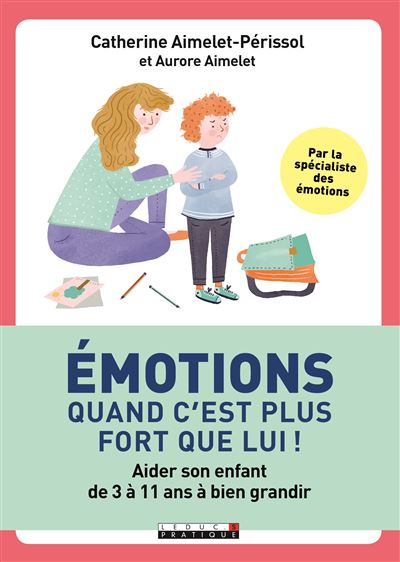
What to avoid during a tantrum
Some well-meant reactions make things worse. Avoid pulling your child by the arm, shouting, or making fun of their feelings; these are forms of verbal or psychological pressure that escalate the storm. Avoid trying to win time quickly, since rushing tends to stretch the crisis.
Also avoid fixing everything on the spot. Your presence matters more than a perfect solution. When you need to step away briefly, make sure the environment is safe, and return calmly. If you are juggling work and parenting, these tips for working from home can help you protect these pauses.
When to seek support
Occasional intense tantrums are normal. If they are frequent, very long, or come with self-harm, talk to a health professional. Meanwhile, keep routines gentle, and if sleep or skin issues add to the tension, a cream for dry skin is a small comfort worth considering.
Age-appropriate expectations
Children between three and eleven are still learning to name and manage emotions, and their skills grow gradually. Younger children need more physical comfort and fewer words; older children can reflect more, but still need you to stay calm first. Match your response to the child in front of you, not to a rule.
Celebrate small progress, such as a child who names a feeling instead of hitting. Encouraging curiosity and hands-on discovery also builds confidence over time, whether through science kits or simply exploring how things work, as these toys for curious kids suggest.

My hands-on take
I learned the hard way that my loudest voice never ended a tantrum; it only made mine louder. One evening, instead of arguing, I crouched down, said nothing, and breathed slowly. My child cried, then leaned in, and the storm passed far faster than usual.
Since then, I keep a small ritual: feet on the floor, jaw loose, one long exhale before I speak. It is not magic, and some days I still get it wrong. But treating the tantrum as something to accompany rather than defeat changed our home, and it gave my child room to learn what their feelings were telling them.
Frequently asked questions
Should I try to stop a tantrum quickly?
No. Trying to win time usually makes the crisis last longer. Stay present and calm, and let the emotion move through with your support.
What if I lose my temper too?
It happens. Pause, breathe, and repair afterwards by naming what happened. Your child learns from how you recover, not from being perfect.
Is it wrong to comfort a child mid-tantrum?
Comfort is not giving in. Offering presence and safety helps the child's survival system settle, and limits can be discussed once everyone is calm.
When should I worry?
Occasional intense tantrums are normal for young children. Seek professional advice if they are frequent, very long, or involve self-harm.
Product Reviews
 Best Toys for Dogs With High Prey Drive |
Best Outdoor Toys for 3-4 Year Olds |
Best Outdoor Toys for 6 Year Olds |
Best Harness for Poodle |
Best LEGO Sets for Adults |
Best Travel Toys for 4 Year Olds on Airplane |
Best Toy Stores in Washington DC |
Best Potty Training Toys |
Best Toys for Tripod Dogs |
Maillot equipe de france







