


A positive parenting workshop can change the way you look at homework, emotions and everyday learning with your child. The ideas below come from a relaxed group session where parents shared experiences and children were free to go and play outside when they had had enough.
The atmosphere was friendly and informal, and everyone learned while having fun. What follows are the main points worth keeping, from accepting imperfection to taming emotions and building simple memory habits.

None of it requires special equipment or a big budget. It is mostly about how you talk, how you organise a work session and how you let your child move, breathe and explore.
Quick takeaways
- Perfection does not exist; doing and trying come first.
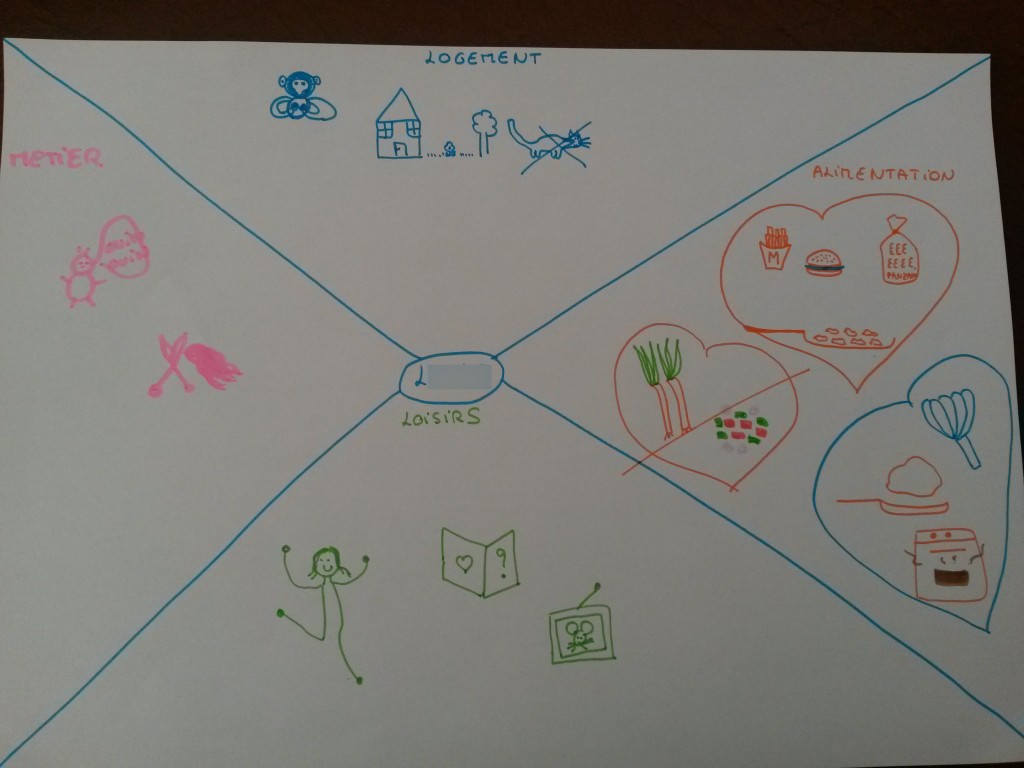
- Mind maps work because the symbols are personal to you.
- Open questions (how, who, what, where, when, why) gather details fast.
- Clear instructions stop the brain choosing the easiest option.
- Name emotions to tame them instead of managing them.
- Movement, fresh air, pauses and changing places aid memory.
Progress beats perfection in positive parenting
The first lesson is simple: perfection does not exist, and what matters is to do and to try. You can always improve later from wherever you start, but you do need a starting point. This takes pressure off both parent and child, because a rough first attempt is still an attempt.
When a child struggles with reading, for instance, tools such as reading support app can help build confidence without demanding instant results. The same forgiving mindset applies to the body too: many parents carry worries about their appearance, yet postpartum stretch marks are a normal part of many journeys and no reason for shame. Even everyday treats can reflect this balanced approach, as seen in industrial ice creams that families still enjoy.
Learning to accept "good enough" also means noticing small wins. A page finished, a question asked, a map drawn: each one is progress worth naming out loud.

Mind maps turn information into your own
Mind mapping is often described as the map of the thinking brain. You remember because you make the knowledge your own: you sort it, ask yourself questions, classify the information, turn words into drawings and then recall it by following the branches of the map.
The key is that the transformation must be personal. When you turn a piece of information into a drawing, the symbol has to speak to that specific person and be enough to bring back the original idea. Form calls up content.
What happens in your head is not what happens in someone else's head, and the goal is simply to remember, whatever the method. If your child is expecting a sibling, a gentle way to prepare together is to read about getting pregnant and talk about how families grow. It also helps to remember that motherhood changes priorities, and that time spent together becomes their memory tomorrow.

| Habit | What to do | Why it helps |
|---|---|---|
| Instructions | State the task clearly and check understanding | Prevents the brain choosing the easiest path |
| Movement | Walk, stretch or jump before starting | Helps the child recentre |
| Fresh air | Open a window for a few minutes | Oxygenates the brain |
| Pauses | Use a visual timer for breaks | Makes time visible |
| Place | Change rooms or go outside sometimes | Keeps attention fresh |
| Emotions | Name the feeling out loud | Defuses a brewing crisis |
Open questions gather everything you need
The workshop introduced a simple model of open questions that collects a lot of information on any subject: how, who, what, how many, where, when and why. Ask them in order and you rarely miss an important detail.
These questions work for a school project, a family decision or a conversation with a neighbour about her home, her food, her hobbies and her job. They also help when children ask big questions about the world; books about democracy can support those discussions at home.
Clear instructions matter
We learn better when we are accompanied, when instructions are clear and precise, and when the goal is defined. If a instruction is vague, the brain invents its own version and picks what it knows best: the easiest, fastest, most familiar and least painful option.
So state the task plainly and check that it was understood. A short pause to explain is rarely wasted time.
Tame emotions instead of managing them
We do not manage emotions, we tame them. Putting words or pictures on feelings, for example with an emotions chart, and welcoming emotions rather than stifling them helps defuse a crisis before it grows.
If your child says they are fed up with homework and that all teachers are useless, you can answer: "I understand you are angry. You have a lot of homework and you are tired. You don't want to do it and you feel the teachers give you tons just to annoy you." Naming the feeling often lowers the temperature.
Some children carry heavier worries, and understanding early development can help; neurological development begins long before school starts. For babies and toddlers, calm routines such as baby sleep methods show how much environment shapes mood.

Small physical habits boost concentration
Physical exercise helps children refocus before work, whether before starting homework or after a break: walking, stretching, jumping. Letting a stream of fresh air in through an open window also oxygenates the brain, which deserves a change of scene.
Plan pause times, and consider a visual timer so the child sees time passing. Build a memorisation project by asking why, for when and for whom you are memorising. Turn lessons into mind maps, and use spatialisation: place each piece of information, or each line of a poem, in a room of the house or on an object, moving physically to deposit it, then visualise the room at recall time.
Changing where homework happens also helps: bedroom, desk, bed, kitchen, living room, garden, park or library. Finally, look up new information just for pleasure, in books, documentaries or films; even a memory keepsake can anchor a story.

My hands-on take
I tried the open-question model the same evening, not with homework but with my daughter's day. Instead of "how was school?", I asked what she did, who she sat with, where, when and why she liked one part best. The conversation lasted far longer than usual, and I learned things I would never have heard otherwise.
The emotions advice also stuck with me. The next time she complained that everything was unfair, I repeated her feeling back to her instead of arguing. She calmed down faster than I expected, and we finished the evening without a crisis. I am nowhere near perfect at this, but that is rather the point: try, then improve from there.
Frequently asked questions
What is a mind map?
It is a visual map where you sort information and turn words into drawings along branches. You recall the content by following those branches, because the symbols are personal to you.
How do I respond when my child says homework is unfair?
Reflect the feeling back in words: acknowledge the anger, the tiredness and the sense of unfairness. Naming the emotion usually calms the moment before you move on to the task.
Do I need special tools?
No. Movement, an open window, a timer and a change of place cost nothing. A simple emotions chart and paper for mind maps are enough to start.
Why do clear instructions matter?
When a instruction is vague, the brain fills the gap with the easiest, fastest and least painful option. Clear goals keep the child on the intended task.
Product Reviews
 Best Toys for Dogs With High Prey Drive |
Best Outdoor Toys for 3-4 Year Olds |
Best Outdoor Toys for 6 Year Olds |
Best Harness for Poodle |
Best LEGO Sets for Adults |
Best Travel Toys for 4 Year Olds on Airplane |
Best Toy Stores in Washington DC |
Best Potty Training Toys |
Best Toys for Tripod Dogs |
Maillot equipe de france







