


This nonviolent communication workbook for kids is a printable resource built around simplified theory and hands-on activities that help children regulate conflicts peacefully. It combines emotional education exercises with real practice of calming, respectful communication.
It is designed for children from around eight years old. It is not realistic to hand it over as independent work to a child who has never been exposed to emotion vocabulary or to kind communication, which children mostly learn through the way the adults around them speak. An adult can guide the pages and clarify certain notions, and adults may even print their own copy to fill in alongside the child.

Quick takeaways
- A 22-page printable workbook on nonviolent communication for children aged 8 and up
- Follows the four steps: observe, welcome feelings, recognise needs, make a positive request
- Best used with an adult who models emotion vocabulary and kind communication
- Includes a four-step calm-down routine, cooperative games and gratitude practice
- Repeat the activities regularly, such as each school holiday, so they become habits
- Activities address the child directly, linking behaviour to unmet needs
How the workbook is organised
The 22 pages follow the steps of the Nonviolent Communication process, presented in a child-friendly way. Children meet the difference between "giraffe language" and "jackal language", then move step by step through observing without judging, welcoming emotions and feelings, and recognising needs.
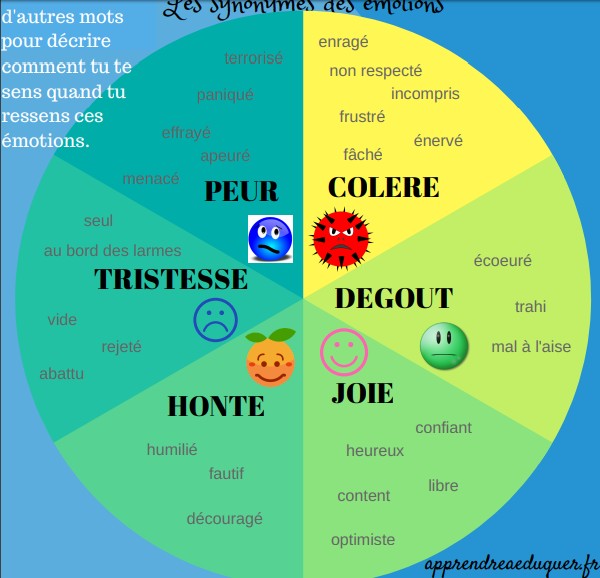
Activities include a list of emotion synonyms, a staircase for welcoming feelings, and a wheel linking emotions to needs. Children also evaluate their needs and reflect on how to feed them, which turns abstract vocabulary into something they can actually use.
The last part covers formulating a request in positive language and taking a pause through a "calm-down sun" with four steps. A memory page recalls the four stages, followed by ideas to stop anger turning into violence, ways to find solutions to conflicts, and six ideas for restoring the bond. Cooperative games, quotes to colour, gratitude practice and a loving-kindness meditation round things off.

Writing directly to the child
The activities speak straight to children rather than about them. One example explains that each message and each request expresses one or more unmet needs, and that a clumsy way of asking for something, such as insulting or hitting to satisfy a need for respect, is still an attempt to meet that need.
This framing matters because it separates the child's need from the behaviour without excusing harm. It gives adults a shared script too, so a difficult moment can be revisited later with calmer words. Parents looking for calm phrases often find that naming the need behind the behaviour changes the whole conversation.
Why repetition is part of the method
Bringing this positive state of mind into children's practice means renewing the experience until it becomes familiar and enters their habits. Offering the workbook, or activities drawn from it, regularly, for example during each school holiday, supports that.
| Stage | Child activity | Purpose |
|---|---|---|
| Observe | Notice facts without judging | Separate observation from blame |
| Feelings | Emotion synonyms and calm-down staircase | Name what is happening inside |
| Needs | Needs wheel and self-evaluation | Connect feelings to unmet needs |
| Request | Ask in positive language | Find a workable solution |
| Repair | Six ideas to restore the bond | Rebuild trust after conflict |
Using the pages with an adult
Because the vocabulary of emotions and kind communication is learned through everyday speech, the adult's role is mostly to model it. Read a page together, then use its words during real friction at home rather than only on paper.
Adults who print their own copy can fill it in at the same time, which normalises the idea that everyone, grown-ups included, is still learning to name feelings and needs. Families navigating other everyday challenges, from neck pain to bedtime routines, know how much patience this requires.
Some children need extra support with focus or self-regulation. If a child struggles to sit with a worksheet, the same content can be acted out, drawn or spoken aloud instead. Parents curious about how temperament and ability show up early may enjoy reading about genius children and the different pace at which skills appear.

Building a calm-down routine
The "calm-down sun" is the workbook's most practical tool: four simple steps a child can walk through when anger rises, before it turns into shouting or hitting. Practise it when everyone is calm, so the steps are available in the heat of the moment.
Pair the routine with cooperative games rather than competitive ones, since shared goals give children practice in negotiating without winners and losers. Gratitude and loving-kindness meditation close the loop by training attention toward what is going well.
Younger siblings can join in with a simplified version, and simple toys or sensory objects can anchor the pause. Many families find that sensory blankets or a quiet corner help a child settle before talking. For children still learning to manage transitions, ideas on learning to walk remind us that rushing rarely helps. Older children facing pressure at school may benefit from strategies on test anxiety alongside these conflict tools.

Making it a family habit
A workbook only changes habits if it comes off the shelf. Choose a regular slot, keep the printed pages in a visible place, and refer back to the four steps during real disagreements. Over time, the child begins to reach for the language without prompting.
Family life moves through predictable stages, and conflict resolution skills grow with them; reflecting on family stages can help you pitch the activities at the right level. Parents who feel short on time might appreciate apps for parents that free up a few minutes for these conversations.
Finally, keep the tone light. Colour the quotes, play the games, and let the vocabulary settle gradually. The goal is not a perfectly peaceful household but a child who has words, and options, when frustration arrives.


My hands-on take
I printed the workbook and left it on the kitchen table, expecting my child to dive in. Instead, we ended up filling the first pages together, slowly, with me answering questions about what a need actually is. The calm-down sun became the part we used most, taped to the fridge and referenced mid-argument.
What surprised me was how much the pages made me look at my own reactions. Reading the line about clumsy requests being attempts to meet a need, I recognised my own raised voice. We now revisit a couple of pages each holiday, and I keep my own copy going alongside my child's. It is slow work, but the words are starting to appear in everyday conversation.
Frequently asked questions
What age is this workbook for?
It is designed for children from around eight years old. Younger children can join in with simplified activities if an adult guides them.
Can my child complete it alone?
Not at first. Children unfamiliar with emotion vocabulary need an adult to explain certain notions and to model kind communication in daily life.
How often should we use it?
Regularly, so the skills become familiar habits. Many families revisit the pages or single activities during each school holiday.
Does it replace professional support?
No. It is an educational tool for everyday conflicts. Persistent difficulties deserve advice from a qualified professional.
Product Reviews
 Best Toys for Dogs With High Prey Drive |
Best Outdoor Toys for 3-4 Year Olds |
Best Outdoor Toys for 6 Year Olds |
Best Harness for Poodle |
Best LEGO Sets for Adults |
Best Travel Toys for 4 Year Olds on Airplane |
Best Toy Stores in Washington DC |
Best Potty Training Toys |
Best Toys for Tripod Dogs |
Maillot equipe de france







