


Educating without spanking is less about willpower and more about understanding what pushes a tired, stressed parent toward a smack, and what to do instead. Most parents who hit their child do not plan to: it happens in a moment of exhaustion, isolation, or because no alternative comes to mind.
This guide looks at the reasons behind spanking, the effects of ordinary educational violence on a child's developing brain, concrete alternatives, and how to repair the relationship after a smack has already landed.

Quick takeaways
- Fatigue, stress, isolation and unconscious memory often trigger spanking, not cruelty.
- Recurrent violence over-activates the amygdala and freezes reasoning.
- It also limits oxytocin and the sense of responsibility.
- Calm yourself first, then listen and name the child's emotions.
- Teach and problem-solve together instead of punishing.
- After a slip, repair by naming what the child felt.
Why Parents End Up Spanking
Fatigue is often the first trigger. A parent running on empty has less patience, a shorter fuse, and fewer inner resources to reach for a calm response. Stress and isolation add to that load, especially when there is no other adult around to share the moment.
There is also the unconscious pull of traumatic memory: if we were spanked as children, an archaic reflex can take over, as though our brain replays what once seemed to restore a semblance of authority. Many parents also feel they lack alternatives, believing the choice is either a smack or doing nothing and losing all "power."
The belief underneath
Some of us carry the belief that suffering is how children learn. Healthy guilt is different: it is the discomfort that helps us measure how much our words and actions hurt a child, and nudges us to pay attention next time.

How Spanking Affects a Child's Brain
When ordinary educational violence is too recurrent, it triggers a biological and hormonal reaction. The amygdala, the brain's emotion centre that detects and signals danger, becomes hyper-reactive. At the same time, higher functions can freeze, limiting access to reasoning and weakening the link between the prefrontal and emotional brain.
Repeated violence also hampers the secretion of oxytocin, the hormone of bonding and empathy, and leaves little room for a sense of individual responsibility to develop, because the child struggles to connect an act with its consequences. The child may also learn that power struggles and force are normal.
What we teach without meaning to
As Isabelle Filliozat points out, it matters not to teach that hitting is allowed when we are stressed or tired. For a lighter way to build connection and rethink discipline, playful parenting offers children's enthusiasm without walls between you and your child. To go further, books about democracy can help children understand power and fairness.

| Situation | Spanking response | Positive alternative |
|---|---|---|
| Child is angry | Smack to stop it | Name the emotion, offer a cuddle |
| Parent is exhausted | Reflexive hit | Step away, breathe, calm down |
| Rules are broken | Punishment | Restate the rule calmly |
| Conflict repeats | Power struggle | Find ten solutions together |
| After a slip | Silence or shame | Talk about what the child felt |
Practical Ways to Educate Without Spanking
Think in terms of a safety valve: when you turn down the gas, the milk does not boil over. It is up to us to put a finger on what is happening in the child's heart by practising active listening or asking questions.
Give yourself techniques to calm down and tame anger, because you cannot care for your child if you are not clear with yourself and have not learned to calm down. Name what is going on inside you, your emotions and your fears, and anticipate by stating your expectations clearly in advance.
Reconnect, then teach
A cuddle reconnects you and puts the relationship first. Help children put words on emotions, repeat the rules calmly as often as needed, and ask questions that engage reflection. Teach adapted behaviours with prompts like "let's find ten solutions together, which one do you prefer?" As Filliozat puts it, the aim is not to punish but to teach. Playful parenting, playing, laughing and imagining, keeps the link alive; even small rituals like sitting at the table together build that daily connection. The same care applies to everyday routines such as choosing shoes for school together.

Handling Your Own Reactions in the Moment
Before you can guide a child, you need a plan for your own nervous system. Notice the early signals, the tight jaw, the raised voice, and step away for a moment if it is safe to do so. A few slow breaths or a glass of water can be enough to interrupt the automatic reflex.
It also helps to lower the pressure around daily routines. Reading together, for instance, is a calm anchor you can return to; if you want ideas, see introducing children to reading and stories for children that make shared time easier. Seasonal rituals work too, such as fun autumn stories that give the whole family something gentle to look forward to.

Repairing After a Spanking
Once a smack has happened, repair starts by talking about what the child experienced: "you must have been scared," "you would have preferred that…," "how scared were you?", "how did it feel?", "you're right, it isn't fair." Naming the child's experience reopens the connection and shows that their feelings matter.
It is natural to feel guilt and shame when you realise you hurt your child and were not the parent you hoped to be. The key is to use that guilt to change and become the parent you want to be. Informing parents about the consequences of spanking is not about making them feel guilty; it is about awakening awareness, because we cannot make informed, conscious choices or be free without the information that opens access to alternatives. As mothers today navigate new expectations, this awareness matters more than ever.
Non-violence is always a choice
That path unfolds differently for each family depending on history, close circle and sociocultural context. Yet non-violence remains a choice: just as we would not accept a man raising his hand to his wife, even once and whatever the force, it is never acceptable to hit a child in any form. For practical alternatives, see these calm parenting tutorials.
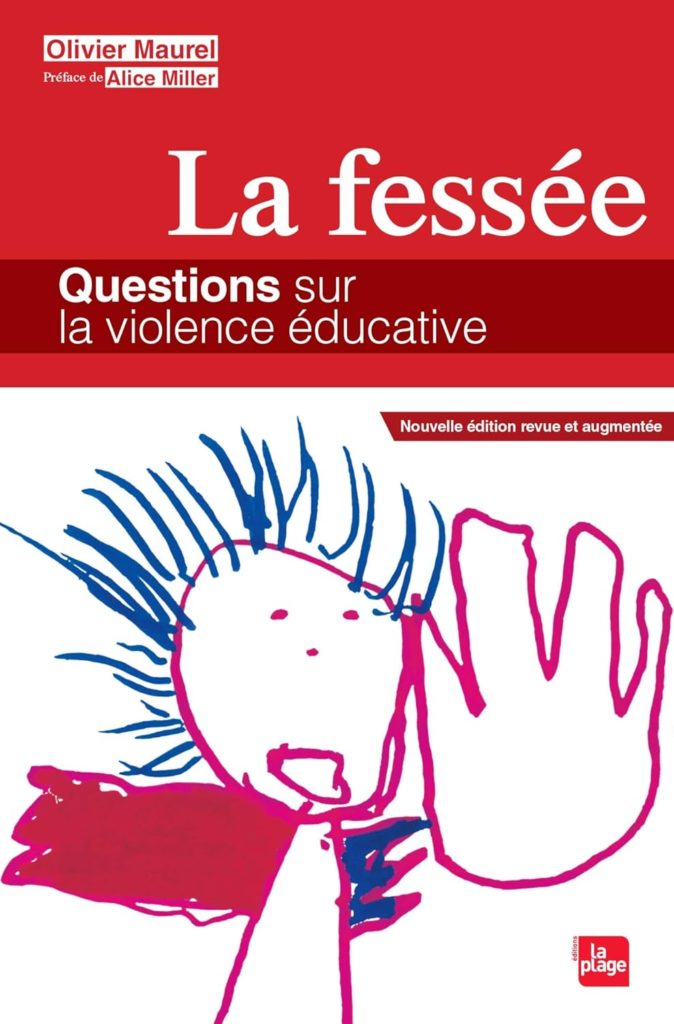

My hands-on take
I remember a evening when my patience ran out and I raised my hand before I had even decided to. What helped most afterward was not a grand resolution but small habits: naming my own frustration out loud, stepping into the hallway for three breaths, and asking my child what a moment had felt like for them.
Those repair conversations were awkward at first, but they changed the tone of our home more than any rule ever did. I still slip sometimes; the difference is that I now treat the slip as information rather than as proof that I am failing.
Frequently asked questions
Is spanking ever acceptable when a parent is exhausted?
No. Being tired or stressed does not make hitting acceptable, and it teaches a child that violence is allowed when emotions run high. Calming yourself first is the safer response.
What can I do instead of a smack in the moment?
Step back, breathe, and lower your voice. Then name what you see in your child and offer a cuddle to reconnect before restating the rule.
How do I repair things after I have spanked my child?
Talk about what the child felt: fear, unfairness, sadness. Acknowledge it honestly, then use your guilt as fuel to change rather than as a reason to give up.
Does explaining the harm of spanking just make parents feel guilty?
Not when it is done to raise awareness. Information opens access to alternatives; guilt only becomes useful when it moves you toward the parent you want to be.
Product Reviews
 Best Toys for Dogs With High Prey Drive |
Best Outdoor Toys for 3-4 Year Olds |
Best Outdoor Toys for 6 Year Olds |
Best Harness for Poodle |
Best LEGO Sets for Adults |
Best Travel Toys for 4 Year Olds on Airplane |
Best Toy Stores in Washington DC |
Best Potty Training Toys |
Best Toys for Tripod Dogs |
Maillot equipe de france







