


Gifted teens need an environment that fits them in order to thrive, and adolescence is often the moment when the mismatch becomes obvious. This guide draws on the experience of a school director who has spent years working with high-potential children, and it sets out to help parents understand what makes their gifted teenager different.
Filled with accounts from parents and from gifted young people themselves, the approach is built on practical tools and steady advice rather than theory. The goal is a dialogue grounded in kindness and mutual respect, at an age when both can feel hard to reach.

Quick takeaways
- Gifted teens experience adolescence through hypersensitivity, hyper-emotivity and hyperactivity.
- School failure reflects a mismatch, not a lack of potential.
- Watch for warning signs in family and friendships before they become crises.
- Procrastination and impostor syndrome often hide anxiety and low self-esteem.
- Stable routines at home give teenagers room to grow safely.
- Kind authority means explaining limits rather than simply imposing them.
What Makes a Gifted Teenager Different
Adolescence reshapes every young person, but gifted teens experience it through a particular filter. Their intensity, their speed of thought and their sensitivity interact with the ordinary upheavals of the teenage years, which can make everyday life feel louder and more complicated for the whole family.
Recognising this does not mean excusing everything. It means reading behaviour in context, so that a withdrawn evening or an explosive argument is understood as a signal rather than a verdict. Parents who grasp the underlying pattern tend to respond with more patience and less escalation.
Three Traits That Explain a Lot
The book returns to three core characteristics: hypersensitivity, hyper-emotivity and a form of hyperactivity. These are often the root of both school and relationship difficulties, and they explain why a teenager may react far more strongly than the situation seems to warrant.

Warning Signs During a Crisis
When a gifted teenager is in crisis, the symptoms show up first in relationships: at home and with friends. Withdrawal, sudden conflict, a collapse of humour or a refusal to talk can all be flags worth taking seriously rather than dismissing as a phase. It can help to read about parent child relationships to understand these shifts.
Some parents notice a shift in sleep or appetite, or a teenager who suddenly seems unreachable behind a closed door. Others describe a young person who argues constantly but seems exhausted by it. Any persistent change in the family or social sphere deserves attention and a calm conversation.
It helps to remember that a teenager who is always tired or unwell may be signalling stress rather than physical illness, and that such patterns are worth discussing with a doctor. Knowing the signs of conditions such as encephalitis symptoms can also help you tell stress apart from something that needs medical care. The same goes for everyday care: choosing a gentle cream for dry skin or a predictable bedtime routine supports wellbeing more than it might seem.

| Area | What you may notice | Practical support |
|---|---|---|
| School | Boredom, minimal effort, procrastination | Teach how to learn; check study methods |
| Emotions | Intense reactions, withdrawal, anxiety | Name feelings; keep calm responses |
| Social life | Feeling out of step with peers | Shared-interest groups and hobbies |
| Home | Conflict over screens, sleep, routines | Predictable rules explained clearly |
| Self-image | Impostor feelings, fear of ridicule | Praise effort; separate worth from results |
When Gifted Teens Fail at School
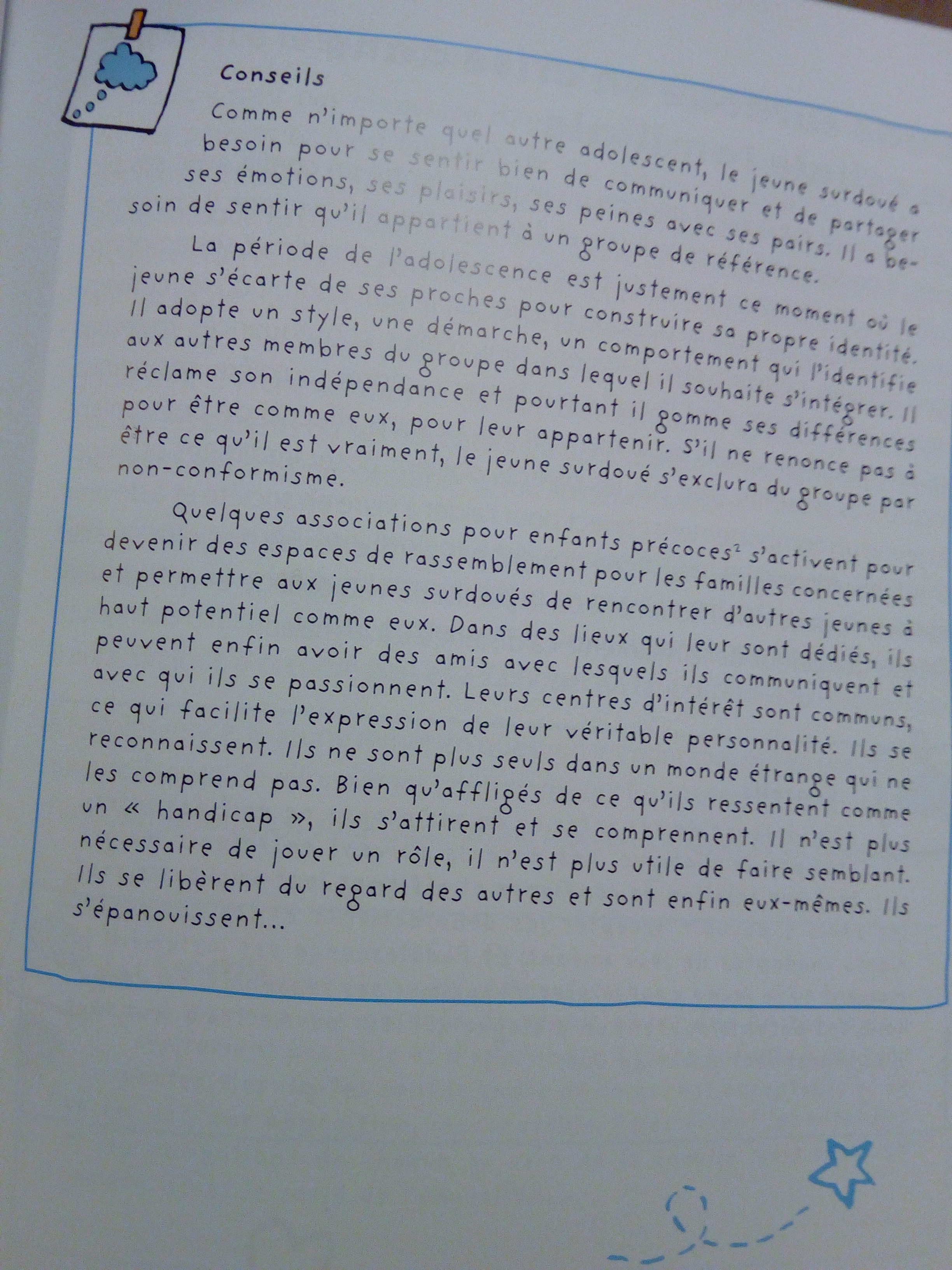
School failure in a gifted teenager has nothing to do with raw potential. The book is clear on this point and describes the causes of disengagement in detail, starting with a teaching style that ignores or misunderstands the student's particular way of learning.
Other causes include a strong intuition and a near-prophetic sense of negative events, which can irritate classmates and teachers; excessive confidence that leads to minimal effort; and procrastination rooted in anxiety or low self-esteem. A lack of rigour, study methods that do not match academic expectations, and intellectual inhibition driven by fear of knowing too much or of ridicule all play a part.
Impostor syndrome is another factor: a teenager may suppress their real personality and adopt extreme behaviours, either barely preparing for exams to protect against failure or working obsessively. The solutions proposed are practical, covering learning how to learn, self-esteem and emotional education, with support that mirrors the encouragement we give through creative music activities and early play. As with sports and children, steady support matters more than pressure.
Building a Stable, Secure Home
A stable and reassuring family environment is the foundation for supporting a gifted teenager. That means predictability in the small things, clear routines, and adults who stay steady when the teenager is not. Consistency at home gives an adolescent room to experiment with independence without feeling unmoored.
Daily life matters here as much as deep conversation. Screens, sleep, clothing choices and hygiene are all recurring negotiation points, and the book treats them as ordinary ground for respectful boundaries rather than battlegrounds. A teenager who feels heard on small decisions is often more willing to accept limits on the big ones.
Parents can also draw on outside perspective. Reading about the relationship between parents and children, or simply comparing notes with other families, helps normalise the intensity of this period.
Authority With Kindness
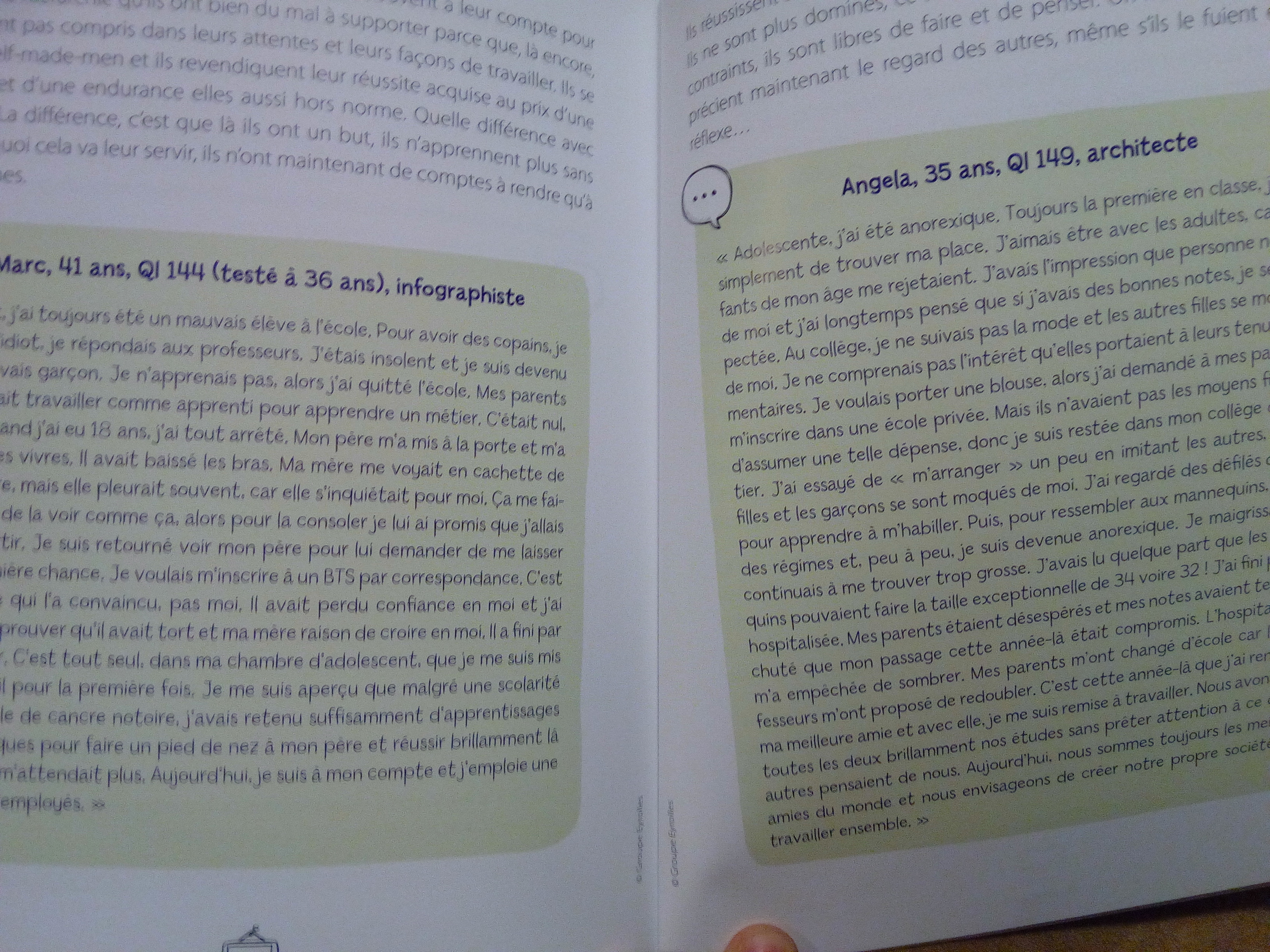
Authority and kindness are not opposites. The book shows how to hold boundaries with a gifted teenager in crisis without sliding into confrontation, and the key is explaining the reason behind a rule rather than simply imposing it. Gifted adolescents tend to argue precisely because they think precisely, so a reasoned limit is far more likely to be accepted.
This also means picking battles and staying calm when a debate is really a bid for connection. Parents who explain, listen and then hold firm model the mutual respect the book keeps returning to, much like choosing a gentle baby cream requires care and attention.
Friendships and the Wider World
Social life needs the same care. A teenager who feels out of step with peers may need help finding their people, whether through shared interests or structured activities. Encouraging hobbies and group projects builds confidence that carries into the classroom.
Orientation and Adult Life
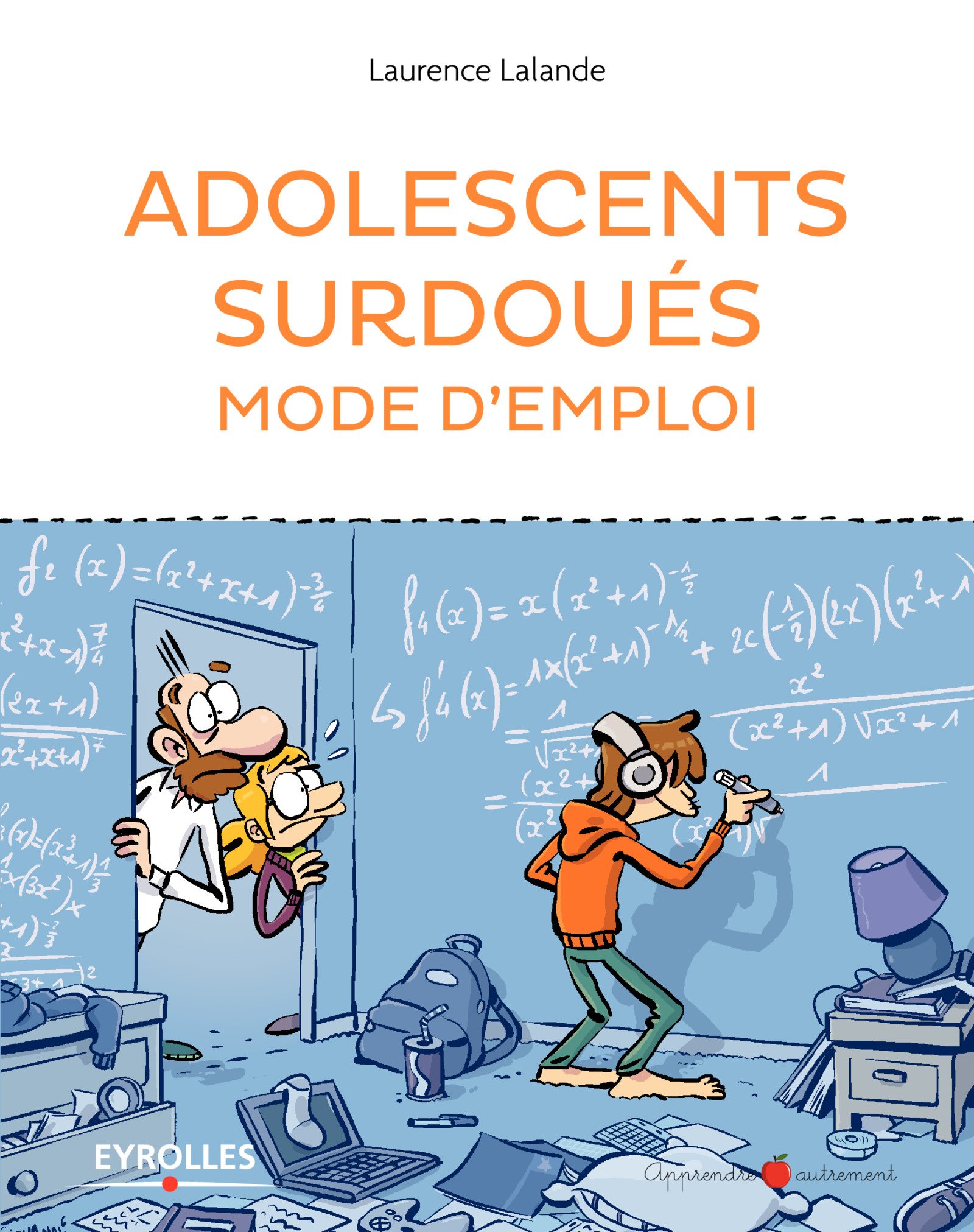
The final part looks ahead to orientation and adult life. Testimonies from gifted adults describing their own teenage difficulties are especially useful here, because they show that struggle at fifteen does not predict a difficult life at thirty.
These accounts help parents put their teenager's difficulties in perspective and regain confidence in their ability to bounce back. They also give the young person a model: adults who once felt exactly as they do now, and who found their path.
The book is written for parents facing relationship and school difficulties, and it is also useful for teachers who want to understand how gifted adolescents function emotionally and intellectually. Whether the next step is a new school, a new method or simply a better conversation, the message is that support works best when it starts from understanding.

My hands-on take
I have sat at a kitchen table with a teenager who insisted everything was fine while clearly struggling, and I learned that timing matters more than words. Bringing up a difficult subject during a car journey or while washing up worked far better than a formal sit-down, because it removed the sense of an interrogation.
What helped most was separating the behaviour from the person. When I stopped reacting to the tone and started asking what was behind it, the arguments shortened. I also found it useful to write things down between conversations, so I could notice patterns instead of responding to each flare-up in isolation. None of it was instant, but the household gradually became calmer, and the teenager began to talk first.
Frequently asked questions
Is school failure a sign my gifted teenager is not really gifted?
No. The book stresses that failure has nothing to do with potential and usually reflects a learning environment that does not fit. The causes are identifiable and can be addressed with the right support.
How do I tell a normal teenage phase from a real crisis?
Look for persistent change in relationships, sleep or mood rather than a single bad week. Symptoms that last and spread across home and friendships are worth taking seriously.
Can teachers use this approach too?
Yes. The book is written for parents but is equally useful for teachers who want to understand how gifted adolescents function emotionally and intellectually.
What if my teenager refuses to talk?
Keep the door open with small, low-pressure moments rather than formal conversations. Consistency and calm presence often do more than direct questioning.
Product Reviews
 Best Toys for Dogs With High Prey Drive |
Best Outdoor Toys for 3-4 Year Olds |
Best Outdoor Toys for 6 Year Olds |
Best Harness for Poodle |
Best LEGO Sets for Adults |
Best Travel Toys for 4 Year Olds on Airplane |
Best Toy Stores in Washington DC |
Best Potty Training Toys |
Best Toys for Tripod Dogs |
Maillot equipe de france







