


Gentle parenting with Nonviolent Communication begins with a simple shift: children act not out of fear of punishment or hope of reward, but because they see how their choices serve their own wellbeing and that of others. This approach invites parents to look past behaviour and listen for the feelings and needs underneath it.
It does not pretend that family life is always calm. Sometimes a child's behaviour threatens our needs or safety, sometimes we have neither the time nor the capacity to discuss it, and sometimes we will reach for shouting, punishment or an unmanaged flash of anger. The point is not perfection but a steady quality of understanding that the child can count on.

Quick takeaways
- Lead with unconditional love: "I love you because you are you."
- Hear the feeling and need behind a reproach instead of taking it personally.
- Accept that shouting and punishment will happen; repair afterwards.
- Describe behaviour, feelings and needs rather than labelling the child.
- Practise the skill in small, low-stakes moments first.
- Protect routines to reduce flashpoints on hard days.
Unconditional love as the foundation
At the heart of this approach sits one message a child should never have to earn: "I love you because you are you." That acceptance tells a child that whatever they do, their parents will keep offering the same quality of understanding. It is a promise about the relationship, not an endorsement of every behaviour.
Many children, of course, do not receive this kind of acceptance, respect and unconditional love. The gap is rarely about a lack of parental feeling; it is about the habits we fall into when we are tired or rushed. Naming the promise out loud, and returning to it after a hard moment, keeps the relationship anchored.
What the promise does not mean
Loving a child unconditionally does not remove the need for limits. It changes the reason behind them: protection and care rather than compliance. Parents who enjoy open ended toys often notice how free play gives children room to test themselves without anyone judging the result, which makes the calmer conversations easier later.
Hearing the need behind the reproach
A useful skill is to stop hearing an insult and start hearing a request. When someone criticises us, we can ask what feeling and what need sit behind the words, rather than treating the remark as a verdict on who we are. This protects us from two traps: submitting out of guilt, or rebelling out of pride.
A well-known example from Marshall Rosenberg's writing illustrates it. His son, after six years in a school built on this approach, moved to the local school. His father advised him not to hand anyone the power to make him submit or rebel, but to listen for the feelings and needs hidden behind a reproach or a tease.
When a teacher mocked the boy's long hair, the son did not feel personally attacked. He heard irritation and a wish for the hair to be cut, and he felt sad for the man, who was bald and seemed to find hair a problem. That is the whole method in miniature: curiosity instead of defence. The same gentle curiosity helps when sharing stories to transmit the love of reading, or when enjoying books by Benji Davies together as a family.

| Situation | Reactive response | Gentle response |
|---|---|---|
| Child refuses to leave the park | Threat of punishment | Name the fun, then the need to go home |
| Child is mocked by an adult | Take it personally, argue back | Listen for the feeling and need behind it |
| Parent shouts after a long day | Pretend it did not happen | Return, name it, reconnect |
| Child hits a sibling | Label the child as aggressive | Separate, then explore both needs |
| Child demands a new toy | Buy it to end the conflict | Acknowledge the wish, hold the limit |
Staying honest when limits are needed
Honesty matters as much as empathy. If a behaviour threatens safety, saying so clearly is part of care, not a failure of kindness. The difference lies in how we say it: describing what we see, how we feel and what we need, instead of labelling the child as naughty or difficult.
Rosenberg is candid that we will sometimes fall short, reaching for shouting, threats, punishment or bribery when we are stretched. What repairs the relationship is returning afterwards, naming what happened and reconnecting. Children learn more from how we handle our own slip-ups than from a spotless record.
Practical routines help here. A predictable rhythm around meals, sleep and play lowers the number of flashpoints, and simple tools such as apps for moms can take some of the mental load off a busy day. Keeping a few toddler toys within easy reach also gives small children something absorbing to do while you gather yourself. A little laughter with dad can ease the tension too.
Building the skill over time
Listening for needs is a habit, not a talent, and it grows with practice. Start with low-stakes moments: a complaint about a sibling, a grumble about dinner. Reflect back what you think the child feels, then wait. Being heard, even imperfectly, often softens the demand far faster than a lecture.
The same lens works on adults. A partner's sharp remark, a grandparent's criticism, a stressful appointment all become easier when we ask what need is unmet rather than who is at fault. Expecting a calm household during a difficult season, such as the weeks around high blood pressure checks or a tiring pregnancy, is unrealistic; lowering the bar is kinder to everyone. As juggling many roles shows, naming that strain helps too.
Play remains the easiest doorway into a child's world. Shared stories, pretend play toys and quiet time with toys for 18 month olds all create the small, repeated moments of connection that make hard conversations possible later.
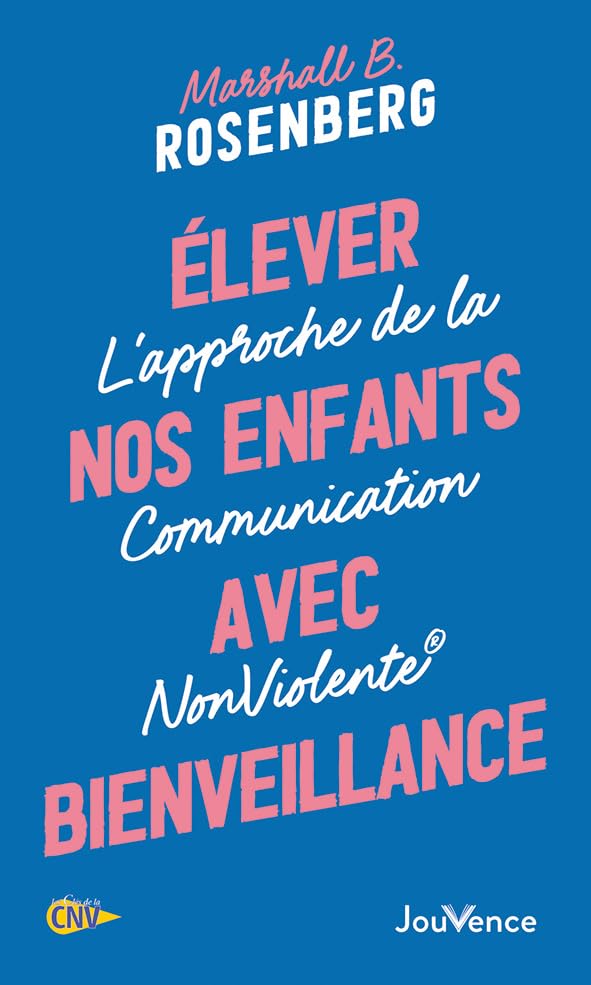
What children actually take away
Over years, this approach gives children a vocabulary for their inner life. They learn to say "I am frustrated because I wanted a turn" instead of hitting or sulking, and they learn that other people have needs too. That is the real prize, far more durable than short-term obedience.
It also changes how they read other people. A child who has practised hearing the need behind a tease is less easily wounded and less likely to wound others. They can stay curious when someone is unkind, which is a quiet form of strength.
None of this requires special equipment or a perfect home. It requires attention, repair after mistakes, and the willingness to keep offering the same message: I love you because you are you.

My hands-on take
I started trying this on the school run, of all places. My daughter would drag her feet at the gate and I would hear myself issuing warnings I never followed through on. One morning I stopped and said, honestly, that I felt anxious about being late and needed us to move. She looked at me, surprised, and walked. It was not magic and it did not work the next day, but it showed me that naming my own need landed differently from issuing a threat.
The harder part has been the teacher-style comments from relatives. My instinct is to defend my child and then stew about it. Now I try to ask what the person is worried about, and more often than not there is a real concern underneath the sharp tone. I still get it wrong, and I still apologise to my children when I do. The apology seems to matter to them more than the perfect response ever would.
Frequently asked questions
Does gentle parenting mean never saying no?
No. Limits are part of care, especially around safety. The difference is that the limit is explained through feelings and needs rather than imposed through threats or bribes.
What if I lose my temper and shout?
It happens to every parent. What matters is coming back afterwards, describing what happened without blame, and reconnecting with the child.
How do I hear needs behind a rude comment?
Pause before reacting and ask yourself what the other person might be feeling and wanting. This keeps you from either submitting or rebelling, and often defuses the exchange.
Is this approach only for young children?
It works at any age, though the wording changes. Teenagers benefit from the same curiosity about what lies behind a sharp remark.
Product Reviews
 Best Toys for Dogs With High Prey Drive |
Best Outdoor Toys for 3-4 Year Olds |
Best Outdoor Toys for 6 Year Olds |
Best Harness for Poodle |
Best LEGO Sets for Adults |
Best Travel Toys for 4 Year Olds on Airplane |
Best Toy Stores in Washington DC |
Best Potty Training Toys |
Best Toys for Tripod Dogs |
Maillot equipe de france







