


The five senses board game is a simple roll-and-move game in which each square holds a small challenge that asks children to sing, touch, taste, smell, look or listen. It works a little like a classic goose game, but the squares are sensory missions rather than empty spaces.
Because the tasks are playful rather than academic, children from about three years old can join in without any preparation. Along the way, the game also opens small conversations about what each child likes and dislikes, which is often more revealing than parents expect.

Quick takeaways
- Each square holds a short sensory challenge: sing, touch, taste, smell, look or listen.
- No score and no winner, so younger children can play without pressure.
- Question squares reveal favourite dishes, smells and dislikes.
- Adults should play too, not just referee.
- Suitable from around three years old with no preparation.
- Easy to recreate at home with cardboard and a marker.
How the Five Senses Board Game Works
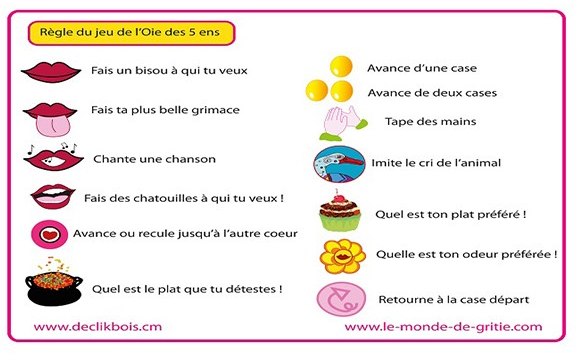
The rules follow the familiar goose game pattern: players roll a die, move their token forward and complete the challenge written on the square they land on. What makes this version different is that every square is a sensory mission. One child may be asked to sing a song, another to tickle someone in the room, another to pull a funny face or to imitate an animal sound.
There is no score to keep and no winner to crown, which removes the pressure that often spoils games with younger children. The point is the doing, not the result, and a round can last as long as attention allows. If you are building a small games shelf at home, the same logic of open-ended play appears in our guide to the best toddler toys, where simple materials beat complicated rules.
What you need to start
A die, a few tokens and the board are enough. No timer, no cards to sort and no adult preparation beyond reading the squares aloud to children who cannot yet read.

The Challenges That Stimulate the Senses
The challenges are deliberately low-cost and physical. Singing works on hearing and voice, tickling and touching work on the sense of touch, and funny faces or animal imitations bring in sight and movement. Nothing requires equipment, which means the game can be played in a living room, a classroom corner or while travelling.
For children who need to move before they can sit still, these short physical missions are a natural warm-up. A few balance or stretching poses can serve the same purpose, as in these yoga poses for kids, and they pair well with a game that already asks children to use their bodies. For messier, hands-on fun, try these tie dye t shirt ideas at home.
Adults should take part rather than referee. When a grown-up sings, makes a face or imitates a donkey, the game becomes a shared activity instead of a test, and shy children usually join in after watching one round. Planning ahead, as with daycare milk portions, keeps the day running smoothly.
| Element | What it involves | Good for |
|---|---|---|
| Action square | Singing, tickling, funny faces, animal sounds | Movement and laughter |
| Question square | Favourite dish, hated food, favourite smell | Conversation and discovery |
| Group play | Several players, mixed ages | Family connection |
| Age range | From about three years old | Preschool and early primary |
| Preparation | Die, tokens, board | Spontaneous play |
Discovering Your Child's Tastes and Preferences
Some squares ask direct questions: what is the dish you hate, what is your favourite dish, what is your favourite smell? The answers are rarely as immediate as adults assume, and even grown-ups often need a moment before replying. That pause is part of the fun, because it turns a quick game into a real conversation.
Listening to your child describe a favourite smell or a hated food tells you something useful about their sensory world. It also gives you material for later, whether you are planning meals or choosing activities. Parents who want to understand what drives their child's reactions may find more perspective in this article on whether fears inherited from parents shape how children respond to new sensations.
Keep the tone light. If a child cannot name a favourite smell, offer examples and let them choose; the goal is discovery, not a correct answer.

Playing as a Family: Laughter and Connection
Played with several generations, the game becomes a way of discovering each other. Grandparents name smells from their childhood, children name sweets or the smell of a parent's hair, and everyone learns something small about the others. Laughter is usually the dominant sound, which is a good sign that the game is doing its job.
These shared moments matter more than they look. Research on family dynamics keeps returning to the same idea: children thrive when the adults around them cooperate, as explored in this piece on dad and mom as allies in education. A board game is a modest but effective way to practise that alliance, much like the teamwork behind contraceptives after childbirth.
It also gives siblings a neutral ground where the youngest can shine. If competition tends to end in tears at home, read these tips on big brother's jealousy to prepare for the moments when one child wins more attention than another, and let them pick a favorite Ninjago character to play as.

A Handmade Game and Practical Tips
This particular version is made in France and produced by hand, which explains its simple, durable look. You can find it on the maker's website if you want the original, or recreate the idea at home with cardboard and a marker, since the challenges are the real content.
If you make your own, keep the squares short and physical, mix one question square for every two action squares, and adapt the missions to your child's age. A three-year-old will enjoy animal sounds; a six-year-old may prefer riddles about smells. Store the pieces in a small box so the game survives daily use, the same principle behind these storage containers for LEGO that keep small parts together.
Finally, remember that the game is a starting point. Once children know the format, they invent their own challenges, which is when the real sensory play begins.
My hands-on take
I first played this game with a friend's copy, borrowed from a nursery teacher who insisted it would suit our family. She was right. What surprised me was not the singing or the animal noises, which my children loved, but the question squares. When I asked my daughter her favourite smell, she thought for a long time and then said the smell of clean laundry, which I would never have guessed.
Since then, we have made our own version on a piece of card, with squares we invented together. It lives in a drawer and comes out on rainy afternoons or when cousins visit. My advice is to play the first round yourself, without skipping your turn, because children copy what they see. Once they watch an adult make a silly face, they stop worrying about looking foolish and the game takes off.
Frequently asked questions
What age is the five senses board game suitable for?
It is designed for children from around three years old, because the challenges are physical and verbal rather than reading-based. Older siblings and adults can play alongside without changing the rules.
Do you need to buy the game to try it?
No. The core idea is a set of sensory challenges on numbered squares, which you can write on cardboard at home. Buying the handmade version supports the maker, but the play value comes from the challenges themselves.
What does the game teach children?
It develops sensory awareness, vocabulary for tastes and smells, and confidence in front of others. It also gives parents a relaxed way to learn about their child's preferences.
Can it be played in a classroom?
Yes, it works well in small groups in a nursery or reception class. Keep rounds short and let children take turns reading or announcing the challenges.
Product Reviews
 Best Toys for Dogs With High Prey Drive |
Best Outdoor Toys for 3-4 Year Olds |
Best Outdoor Toys for 6 Year Olds |
Best Harness for Poodle |
Best LEGO Sets for Adults |
Best Travel Toys for 4 Year Olds on Airplane |
Best Toy Stores in Washington DC |
Best Potty Training Toys |
Best Toys for Tripod Dogs |
Maillot equipe de france







