


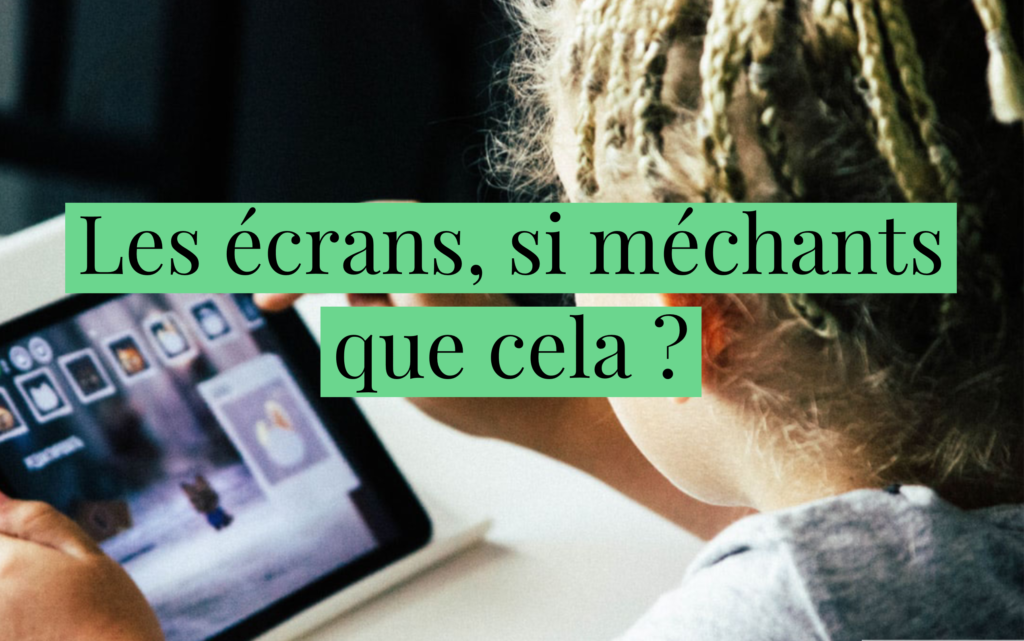
Screen time and kids is one of the most debated topics in modern parenting, and much of the panic is misplaced. Saying screens make children stupid ignores the specific needs of individual children, and it only treats symptoms rather than the causes of why screens are everywhere in young lives.
Adults, not children, are responsible for how central screens have become. Programs are designed to hold attention as long as possible, and devices were already in the home or handed over by grown-ups. Blaming kids for time spent there misses the point entirely.

This article looks at the real reasons screens are so magnetic, why they became an easy scapegoat, and how to work on causes instead of confiscating remotes.
Quick takeaways
- Screens are a symptom; look at the causes behind their presence.
- Adults, not children, are responsible for how central screens became.
- Screens are engineered to hold attention and stimulate dopamine.
- Belonging and self-esteem are the real needs young people seek.
- Arbitrary confiscation treats symptoms and breeds resentment.
- Build offline alternatives that genuinely compete with the screen.
Why Screens Became the Easy Scapegoat
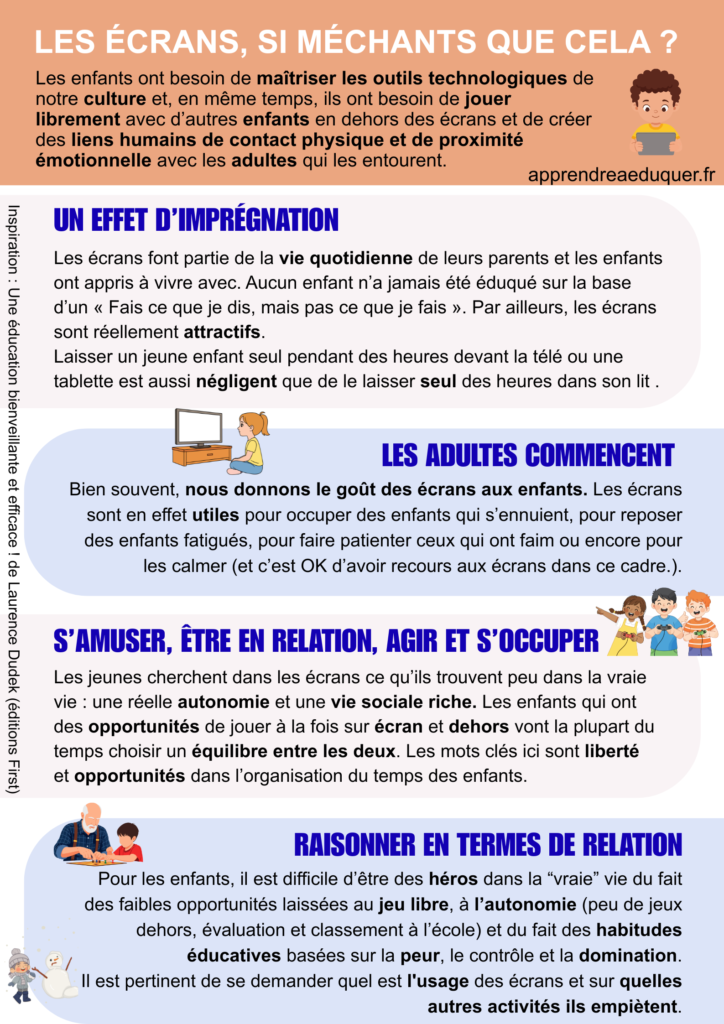
Psychotherapist Laurence Dudek names three big reasons screens became such a battleground between parents and children. The first is a soaking-in effect: from the earliest age, children watch their parents live with screens daily and learn to associate them with positive emotions.
As with cigarettes or alcohol, no child was ever raised on "do as I say, not as I do." If you want to model calmer habits, it helps to start with small family routines, much like the winding-down rituals in bedtime songs collection that teach children how to settle without a glowing rectangle. The same principle applies to what kids watch, which is why movies that teach lessons can make screen time more intentional.
Adults Usually Start It
Very often, we are the ones who give children a taste for screens. They are genuinely useful for occupying a bored child, resting a tired one, distracting a hungry one, or calming an excited one when we want quiet.
This is not about calling parents irresponsible or bad. It is simply an observation that adults start the habit and therefore carry responsibility for the quality of the environment and the relationship around it.
What Makes Screens So Attractive
Screens are genuinely appealing because they stimulate dopamine, a hormone that produces well-being and activates the brain's reward zone, giving the illusion of feeling loved. Over time, this dopamine production can start to replace human relationships, whether social, family or school ones.
Two more needs explain the pull on children and teens: a need for belonging, staying in contact with friends and sharing the culture they live in, and a need for self-esteem, holding socially valued attributes, exercising personal power and feeling in control.
Young people look in screens for what they find little of in real life: genuine autonomy and a rich social life. When children play on a screen, they concentrate in one tool what takes real effort elsewhere — being with friends, having fun, escaping the everyday and staying occupied.
If you want to offer appealing offline alternatives, open-ended play is a strong place to start, and these open ended toys give children room to build, imagine and feel capable without a screen. Small back to school reward toys can also motivate children offline, and it helps to know how spoiling affects personality when setting limits.
| Need behind screen use | What the screen provides | Practical offline response |
|---|---|---|
| Belonging | Online games and chats with friends | Protect regular time with friends |
| Self-esteem | Rewards, levels, personal power | Give real responsibilities and choices |
| Fun and escape | Instant entertainment | Keep easy activities ready at home |
| Rest and calm | Passive distraction | Build predictable wind-down routines |
| Autonomy | Control inside the game world | Let them decide small daily things |
Screens and the Very Young
What is genuinely useful to know is that children do not develop without the presence of another human being, and a screen cannot replace a human. A baby's brain develops through interactions with other people.
All the time not spent in direct interaction — because the child is in front of a screen, or elsewhere, or because the parents are on a screen — is unproductive time in terms of relational and emotional development.
Leaving a young child alone for hours in front of a television or tablet is as neglectful as leaving them alone for hours in their bed, and it does not cause autism. For the youngest, simple, safe sensory play is a better fit, and these sensory toys for toddlers support hands-on exploration at exactly this stage.
Why Confiscating Screens Backfires
Dudek advises parents that arbitrarily confiscating or limiting screens is not effective, and it brings all the drawbacks of punishment. It treats the symptom while leaving the underlying need unmet, so the child simply waits for the next opportunity.
Instead, the goal is to understand what the young person is seeking and to build more of it into daily life. That might mean protecting time for friends, offering real autonomy in small decisions, or making the home a place where there is genuinely something engaging to do.
Shared activities help here. Cooking, building, or a simple rainy-day game can fill the gap that screens currently occupy, and collections like these indoor games for kids make it easier to offer a real alternative rather than a lecture.
Building a Home That Competes With the Screen
Working on causes means shaping the environment rather than policing the clock. If a child is bored, tired, hungry or wound up, a screen is the fastest fix — so the practical move is to prepare calmer solutions in advance, before the moment of need arrives.
Keep a basket of easy activities within reach, notice when your own phone is the thing pulling attention away, and protect the daily rituals that build connection. A predictable transition at the end of the day, or a shared story at bedtime, does more than a confiscated tablet ever will, and these great children's books are an easy way to make that routine stick. Knowing the influenza symptoms to watch for also helps you tell genuine tiredness from something that needs rest and care.
The same principle applies to the wider family environment. Children copy what they see, so the most effective change is often the one adults make first — and that is far more persuasive than any rule about minutes. When a small reward or GWP offer is on the table, keep it tied to shared time rather than screen time.

My hands-on take
In my own home, the turning point was not a new rule about minutes but a change in what was on offer. I stopped treating the tablet as the enemy and started noticing when it appeared: the bored afternoons, the tired evenings, the moments when I was the one distracted. Once I prepared a few easy things to do and made the end of the day more predictable, the pull of the screen softened on its own.
I also had to be honest about my own habits. Children notice far more than we give them credit for, and my phone was often the first screen in the room. Changing that was uncomfortable but far more effective than any confiscation I had tried before.
Frequently asked questions
Are screens really bad for children?
Not in a simple way. The evidence is far from unanimous, and blanket claims ignore individual children. The more useful focus is on why screens take up so much time and what needs they are meeting.
Should I confiscate my child's tablet?
Arbitrary confiscation tends to backfire and brings the drawbacks of punishment. It addresses the symptom while leaving the underlying need unmet. Understanding what your child seeks and offering alternatives works better.
Why do children get so attached to screens?
Screens stimulate dopamine and the brain's reward zone, giving an illusion of feeling loved. They also meet needs for belonging and self-esteem that can be harder to satisfy offline.
What about babies and toddlers?
Young children develop through interaction with other humans, and a screen cannot replace a person. Time alone in front of a screen is as unproductive for development as time alone in a bed.
Product Reviews
 Best Toys for Dogs With High Prey Drive |
Best Outdoor Toys for 3-4 Year Olds |
Best Outdoor Toys for 6 Year Olds |
Best Harness for Poodle |
Best LEGO Sets for Adults |
Best Travel Toys for 4 Year Olds on Airplane |
Best Toy Stores in Washington DC |
Best Potty Training Toys |
Best Toys for Tripod Dogs |
Maillot equipe de france







