


Positive communication with children rests on one simple idea: the adults around a child are the ones who can put words to what the child cannot yet ask. Babies and toddlers cannot question us about what worries them, so it falls to us to anticipate their needs and answer clearly.
That does not mean talking constantly. It means explaining, reassuring, warning and listening in a way that frees children from fears built on questions left unanswered. The seven keys below follow that logic, from everyday explanations to the repair work that is never too late.

Quick takeaways
- Explain early, often and in advance, including small daily transitions.
- Reserve predictable one-to-one moments for talking and listening.
- Name your own emotions without blaming your child.
- Treat difficult subjects as open conversations, not forbidden ground.
- Postpone a discussion rather than pretending to listen.
- Repair is always possible, even years later.
Explain as much as you reasonably can
A useful question to keep in mind is: what would I imagine if I were in the baby's place? Explaining covers several habits. Anticipate the questions a child cannot voice, for instance by announcing a nappy change or saying when you leave the room. Reassure regularly: say when you will be back, warn about a delay, and tell your children you love them.
Warn about what is coming, too. Before a child falls asleep in the car, say where they may wake up. Give a countdown before an activity ends. Announce the length of a journey or the possibility of pain before a medical exam. Children warned about a possible painful injection tend to cope better than children told nothing beforehand.
Repetition matters as well: the more a child has been warned, the calmer they tend to be. If you are preparing for a first check-up or a first trip, a baby care can help you plan what to explain and when.
Build small communication rituals
Rituals are pleasant, reserved moments when you give a child exclusive time. They can hang on Sunday breakfast, a Friday evening tray meal, a Wednesday afternoon snack or weekday bedtimes. What counts is that the moment is predictable and belongs to the child.
Use it to look back on the day, for example through three pleasures of the day or emotional questions such as "tell me your three biggest joys and your three biggest angers today". You can also walk through the day or week ahead so nothing arrives as a surprise, and if you are planning time away, these airplane toys can help keep the routine going.
These rituals also work as a gentle bridge to play. A short, regular slot for shared games fits naturally into the same routine, and a list of imaginative play toys can give you ideas that need little preparation. Parents returning to closeness after birth may also find it useful to read about contraceptives after childbirth.

| Key | Practical habit | What it prevents |
|---|---|---|
| Explain | Announce changes, delays and possible pain | Fears built on unanswered questions |
| Rituals | Sunday breakfast, bedtime talks | Emotional distance |
| Speak about yourself | Name your sadness or anger calmly | Child self-blame |
| Lift taboos | Discuss death, bodies, beliefs | Silence and mistrust |
| Listen fully | Postpone rather than half-listen | Feeling unheard |
| Answer questions | Say "I don't know, let's find out" | Imagined worst-case answers |
| Repair | Apologise, even years later | Lasting resentment |
Talk about yourself honestly
Children do not need perfect parents; they need authentic ones. They need parents who explain why they are sad or angry in a healthy way, without denying their adult emotions and without making the child feel guilty.
When nothing is explained, children may hold themselves responsible for our state and our worries, and irrational fears grow from there. Naming our emotions and needs also develops children's empathy and emotional intelligence, and it shows them how to be open without pretence.
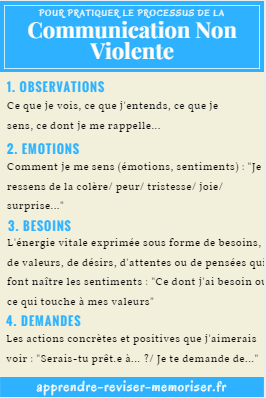
Nonviolent Communication can help you find the right words for what you feel and need. The same honesty applies to family stories and role models, which is why a good father model is worth discussing openly rather than leaving children to guess.
Lift the communication taboos
Taboos appear when certain subjects trigger rejection, anger, sadness, distraction or a call for silence, or when non-verbal signals such as a tense posture tell children to avoid the topic. Lifting them means being willing to talk about everything: family secrets, death, sexuality, politics, religion.
Children are entitled to an opinion different from yours, and respecting their point of view is part of the work. It also means telling them the truth. Trust grows from sincere exchanges, and our non-verbal communication betrays us when we lie; the more we lie, the less children trust us and the less authentically they speak in return.
Sensitive topics need care rather than avoidance. If you are unsure how to frame a conversation about bodies and intimacy, this piece on talking about sex offers a starting point for age-appropriate wording.
Listen for real, and leave no question hanging
Truly listening sometimes means postponing a discussion so you can be fully present, attentive and dedicated. A half-listening parent hears words; a fully present one hears what sits underneath them.
Unanswered questions are often fed by a child's imagination and produce painful emotions such as fear, anger, sadness or disgust. You do not have to go into every detail. You can say when a question makes you uncomfortable or touches something painful, and postpone the answer while you digest the emotions it stirs. Children are sometimes our guides, pointing exactly where we still have work to do.
When you do not know the answer, guide them towards people or resources that can provide a proper one. This matters most with big themes, and reading princess stories together can be a gentle way in when a child starts asking about roles, bodies or fairness.
It is never too late to repair communication
At any moment, even ten years later, you can give your child explanations. If you have realised with hindsight that a behaviour was inappropriate, that you never spoke about a problem, or that a remark caused harm, there is still time to make it right.
You can explain things or ask for forgiveness, even years afterwards. Your apologies can be reparative and allow your child to move forward more peacefully. Repair does not erase the past; it gives it a different meaning and reopens the conversation.
The same patience applies to everyday milestones that generate their own worries, from potty training to a first bike ride. A look at potty training toys or a guide on baby on bike can turn those moments into conversations rather than battles. Understanding the child safety elements for water works the same way.


My hands-on take
What changed things for me was the countdown habit. I used to announce the end of park time with a flat "we're going now", and the protests were immediate. Saying "two more slides, then shoes" made the same departure far calmer, mostly because nothing arrived out of nowhere.
The other habit I keep is naming my own state out loud. On a tired evening I now say I am grumpy and that it is not about them, and the room settles. I am not consistent with rituals, and I still postpone conversations I should have had. But the repair part is real: going back the next day and saying "I handled that badly" has done more for trust than any perfect afternoon.
Frequently asked questions
Do I need to explain everything, even small things?
No, but the small things are often what children cannot ask about. Announcing a nappy change or a change of room costs seconds and removes uncertainty. The aim is predictability, not a running commentary.
What if a question makes me uncomfortable?
Say so honestly and postpone the answer while you think it through. You can also point your child towards someone or something that can answer properly. Silence without explanation is what feeds worry.
Is it really useful to apologise years later?
Yes. A clear explanation or apology can be reparative and lets a child move on more peacefully. It also models how to take responsibility.
How do I keep rituals going on busy weeks?
Keep them short and fixed rather than elaborate. A few minutes at bedtime or one shared snack can carry the whole habit.
Product Reviews
 Best Toys for Dogs With High Prey Drive |
Best Outdoor Toys for 3-4 Year Olds |
Best Outdoor Toys for 6 Year Olds |
Best Harness for Poodle |
Best LEGO Sets for Adults |
Best Travel Toys for 4 Year Olds on Airplane |
Best Toy Stores in Washington DC |
Best Potty Training Toys |
Best Toys for Tripod Dogs |
Maillot equipe de france







