


Playing with and in nature is a real social issue, not just a nice weekend activity. Many early-years settings across Europe now take children outdoors every day, whatever the season, and the results are worth understanding.
This article gathers the key benefits of daily contact with nature, explains the citizen dimension of raising children to love the outdoors, and offers simple ideas for autumn and winter. The guiding idea is simple: there is no bad weather, only bad clothing.

Quick takeaways
- A positive link to nature built in childhood lasts into adulthood.
- Outdoor play supports concentration, health, endurance and autonomy.
- Children who play outside show more solidarity and better peer relationships.
- Creativity, persistence, motor skills and memory all benefit.
- Awakening children to nature is a citizen choice, not a luxury.
- With the right clothes, autumn and winter are great seasons to play outside.
Why daily contact with nature matters
An eco-pedagogy institute promoting environmental education in Belgium reviewed and summarised many studies and field experiences from nature kindergartens across Europe. From this synthesis, a clear set of key benefits of a daily relationship with nature emerged. These range from health and concentration to creativity and autonomy, and they show up in ordinary, everyday outdoor play.
One of the strongest findings concerns the long term. A positive link to nature created in childhood tends to last into adulthood: a better understanding of nature, deeper knowledge of the environment, a profound bond built on many positive memories, a concern for protecting nature and greener habits. In other words, today's muddy boots can shape tomorrow's environmental awareness, much as strong family bonds shape lasting attitudes.
Outdoor play also supports the kind of open-ended discovery that toys alone rarely provide, much like the experiences described in imaginative play toys. It invites children to invent their own worlds, echoing the unconventional princess stories that spark fresh imagination.
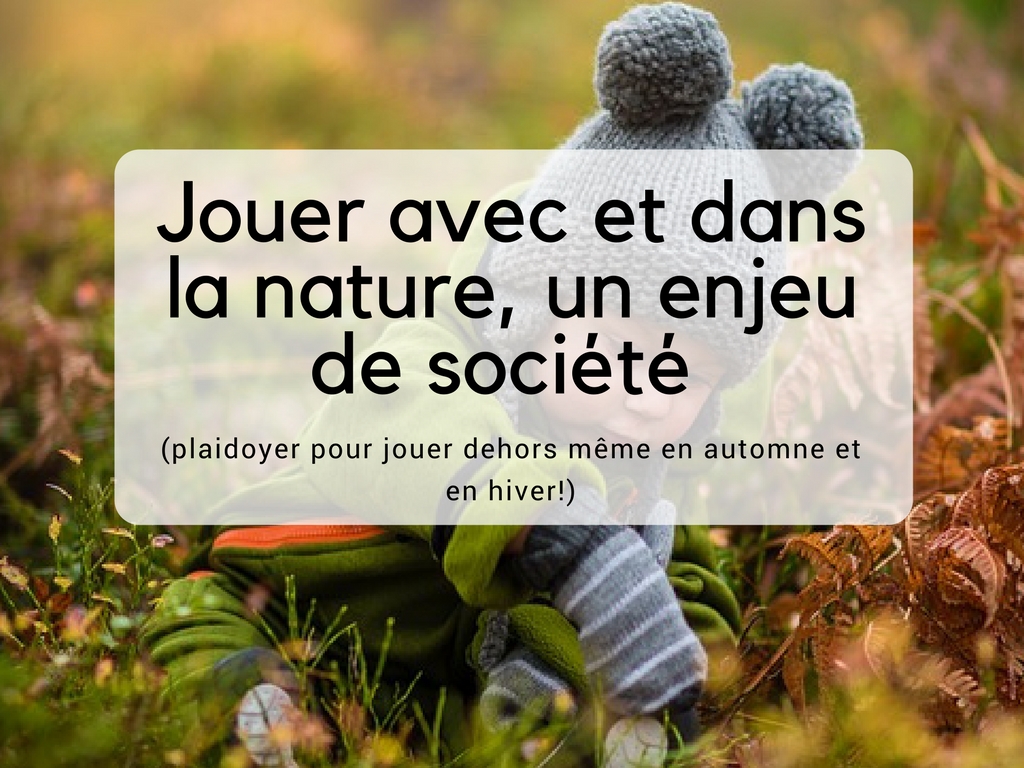
The benefits for children, one by one
The synthesis lists benefits that parents can observe directly. Children who play outside regularly tend to show more peaceful relationships with peers and more solidarity. They concentrate better, enjoy better health and build more endurance. They also become more able to occupy themselves alone, which is a real step towards autonomy.
Creativity, persistence and memory
Outdoor play feeds creativity and the ability to use different means to reach a goal, an aspect of divergent thinking and perseverance. Fine and gross motor skills develop more fully, and the capacity to memorise increases. These are quiet gains, built through repetition rather than instruction.
Payman Davdand, a professor and researcher in environmental epidemiology, sums it up well: the natural environment gives children unique opportunities to learn about commitment, risk-taking, discovery, creativity, mastering situations and self-esteem. It inspires a range of emotional states, such as wonder, and improves the psychological skills thought to positively influence various aspects of cognitive development.

| Activity | Best season | What it develops |
|---|---|---|
| Land art with leaves and cones | Autumn | Creativity, fine motor skills |
| Rolling in dead leaves | Autumn | Gross motor skills, joy |
| Listening to the rain | Any | Concentration, calm |
| Touching tree bark | Any | Sensory discovery, curiosity |
| Catching snowflakes | Winter | Wonder, attention |
| Jumping in puddles | Any | Gross motor skills, risk-taking |
Raising children to love nature is a citizen choice
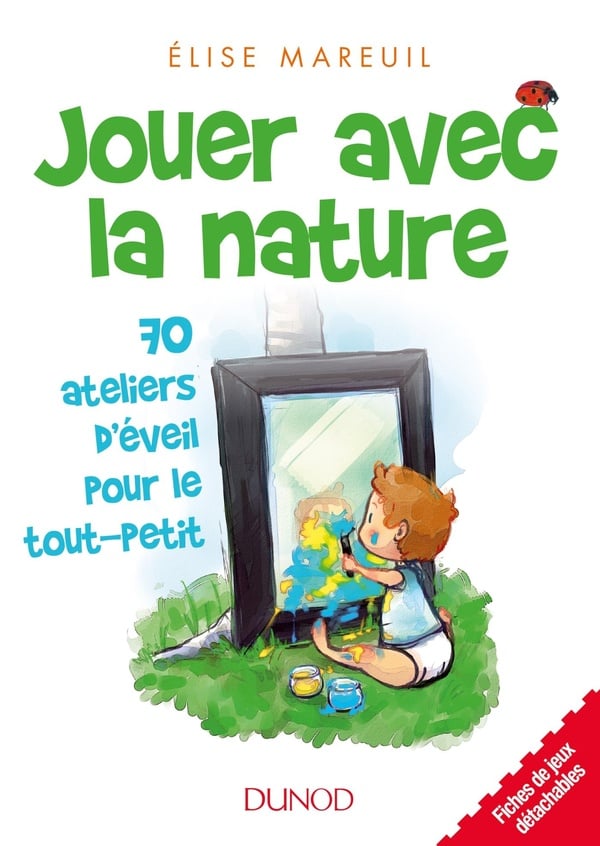
Beyond the benefits for children, Elise Mareuil, an early-years educator and author of a book on playing with nature, considers another point essential: awakening children to nature is a fundamental citizen choice. This is why she wrote a book offering a genuine pedagogy of nature, with more than seventy awakening games for children aged zero to three.
Her aim is to help the young child discover their place in the environment and what makes it up, from wildlife to plants, along with the respectful relationships these elements can have with one another. These games are above all simple little pleasures shared between adults and children, small stones in the building of new forms of education.
That respectful, curious attitude is close to the values we try to pass on through stories and films, as with movies respect.
Autumn and winter: yes, you can still go out
Going out is easier and more pleasant in spring and summer, but autumn and winter can be seasons just as suited to outings and outdoor games. The list of simple activities is long, and none of them requires special equipment.
You can make land art with dead leaves, pine cones, acorns and chestnuts. You can roll in the fallen leaves, take time to listen to the rain, run your hands over tree bark, watch snails, open your mouth to catch snowflakes, jump in puddles, or gather chestnuts and roast them in the oven. For more ideas, browse these outdoor toys.
Dress for the weather
A Nordic proverb captures the whole approach: there is no bad weather, only bad clothes. Good waterproof layers, warm hands and dry feet turn a cold, wet afternoon into an adventure. Once children are properly dressed, the season stops being an obstacle.
Getting everyone out the door calmly matters too, and small routines help, much like the practical tips in travel luggage. Younger siblings can join in with these toys for 3 year olds.

Making outdoor play a habit
The point is not to plan elaborate expeditions. A short daily outing, a walk to the same patch of grass, a few minutes watching the same tree change through the seasons, all build the positive memories that last. Repetition, not novelty, is what creates the bond.
Indoors, you can keep the spirit alive by bringing a little nature back home and letting children explore it freely, in the same open way as with educational toys.
Some parents worry about dirt, colds or bumps. Reasonable risk is part of the learning: climbing, balancing and handling natural materials teach children to assess situations and to master them. That confidence then carries over into other areas, whether it is trying a new food, as with a child chew, or simply tolerating frustration.
Above all, keep it joyful. An adult who enjoys being outside is the best invitation a child can get.
My hands-on take
In our house, the hardest part was never the weather, it was the doorway. Once the boots and waterproof trousers were on, the children were gone, and the complaining stopped within a minute of being outside. We started with a very short walk to the same corner of the park, and that small routine did more than any big outing.
My own lesson was to stop narrating and start joining in. When I crouched down to touch the bark or hunt for snails with them, they stayed outside far longer than when I stood nearby checking my phone. We now keep a box by the door with old clothes and a bag for collecting treasures, and the chestnuts we bring home usually end up roasted.
Frequently asked questions
Is it really worth going outside in cold or wet weather?
Yes. With proper waterproof and warm clothing, children can play outside in most conditions, and the benefits for health, mood and concentration do not disappear in winter. The Nordic saying sums it up: there is no bad weather, only bad clothes.
What can we actually do outside in autumn?
Autumn is full of material: dead leaves, pine cones, acorns, chestnuts and snails. You can make land art, roll in the leaves, listen to the rain or gather chestnuts to roast at home.
Does outdoor play help children concentrate?
The reviewed research points to better concentration among children with a daily relationship to nature. It also lists more endurance, better health and a greater ability to occupy themselves alone.
Do children need special equipment to play in nature?
No. The activities described use what is already there: leaves, bark, puddles, snow. Good clothing is the only real investment.
Product Reviews
 Best Toys for Dogs With High Prey Drive |
Best Outdoor Toys for 3-4 Year Olds |
Best Outdoor Toys for 6 Year Olds |
Best Harness for Poodle |
Best LEGO Sets for Adults |
Best Travel Toys for 4 Year Olds on Airplane |
Best Toy Stores in Washington DC |
Best Potty Training Toys |
Best Toys for Tripod Dogs |
Maillot equipe de france







