


Montessori activities to discover the world give children aged 3 to 6 a hands-on way to explore geography, nature, animals, physics and time. This collection of ideas mixes activities that use real Montessori material with many that need nothing bought at all.
The guiding principle is simple: children learn by touching, manipulating and connecting what they observe. A trained Montessori author stresses that education should help children understand the world around them and feel they belong to it.

Quick takeaways
- Five themes structure the activities: geography, nature, animals, physics and time.
- Many ideas need no bought material, only everyday objects.
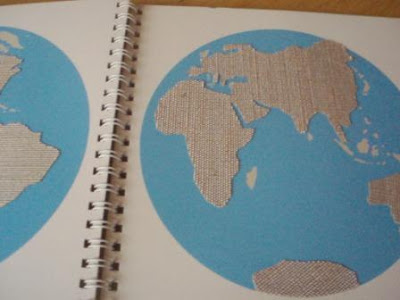
- The rough globe teaches land and water through touch.
- Simple experiments with salt and yoghurt pots explain how sound travels.
- Past and present sorting helps children grasp time.
- Hands-on exploration matters more than screens or worksheets.
Five themes for discovering the world
The activities are organised into five broad themes, each opening a different door onto the universe. Maria Montessori described every thing as part of one great whole, connected to all the rest. That idea of unity runs through the geography, nature, animal, physics and time sections alike.
Because the book mixes material-based lessons with homemade ones, it stays usable whether or not you invest in a globe or a set of cards. Children move from the concrete to the abstract at their own pace, which is exactly how the method works.
Geography and the globe
Geography starts with the three elements: earth, water and air. A rough globe lets a child feel the smooth water where fish live and the rough land where humans live. If you skip the purchase, a relief planisphere in a picture book gives the same tactile contrast, and children also practise nesting small spaces inside larger ones, from home to street to space.

Nature, botany and the animal world
For botany, a simple apple becomes a lesson: cut it, observe it, then draw its cross-section. Montessori insisted that no description or picture can replace the real sight of trees in a wood with all the life around them. Getting outside matters more than any worksheet.
In the animal section, children match photos of animals with drawings of their footprints. Montessori noted how far children live from nature and how rare direct contact with it has become, so these games rebuild that link. A pet at home can extend the same curiosity, and even choosing dog toys or reading about Aussie puppies becomes a way to observe animal behaviour closely.
For families who want to go further with building and making, custom projects keep little hands busy, and guides on LEGO custom builds show how construction play supports the same hands-on learning.

| Theme | Example activity | Material needed |
|---|---|---|
| Geography | Rough globe, land and water | Globe or relief map |
| Botany | Drawing an apple cross-section | An apple and paper |
| Animals | Matching animals to footprints | Printed cards |
| Physics | Sound with salt or pot telephone | Salt, pots, string |
| Time | Sorting past and present photos | Board and photos |
The physical world: simple experiments
The physics theme invites spontaneous exploration of the environment, where each new discovery brings joy. One classic experiment shows that warm air expands, and children can feel the result rather than memorise it. Water changing between liquid, solid and gas offers another easy demonstration.
Sound is a favourite: salt jumps on a surface when a voice travels through the air, and a telephone made from two empty yoghurt pots and a taut string shows how vibration passes along the thread. Ask the child to explain how the sound travelled, linking back to the salt. These experiments need no budget and suit a curious toys for 3 year olds shelf as much as a kitchen table.
Outdoor play extends the same spirit, and a list of outdoor toys can help you choose tools that encourage real experimentation rather than passive screen time.

Understanding time and seasons
Time is the fifth theme, and it begins with the difference between past and present. On a board split into two columns, photos of situations are stuck and then moved depending on whether they are finished or still happening. Children also match images to each season, which anchors abstract time in something they can see.
The book goes on to activities for reading the clock and recognising the states of water. Montessori wrote that we walk together on the path of life because all things are connected into a single whole, and time work makes that connection visible. Pairing these lessons with a simple daily routine helps the idea stick.

Why hands matter more than screens
The most important educational tool is not technological, as one Montessori advocate puts it: not interactive boards, not tablets, not even pencils, but the hands. Free the hands, and children explore, connect and build. That is the thread running through every activity here.
Practical life at home supports the same goal, and even everyday tasks such as cooking together can become discovery. Trying a recipe like pumpkin crepes with children turns measuring and mixing into science and patience. Parents who want more structured play ideas can browse superhero toys or toy stores for inspiration, while keeping the emphasis on doing rather than watching.
What matters is that the child is the one touching, pouring, cutting and observing. Your role is to prepare the space and step back.




My hands-on take
When I tried the yoghurt-pot telephone with my nephew, I expected five minutes of fun. It turned into half an hour of him running back and forth, pulling the string tighter and shouting to test how far his voice would carry. The moment he connected it to the jumping salt experiment, I saw the idea click.
What I learned is that preparation matters more than perfection. I set out the pots, string and a little salt, then stepped back. He spilled, retied and tried again without needing me. Since then I keep a small box of simple materials ready, and I look for everyday moments, like cutting an apple, where a quick observation can become a real lesson.
Frequently asked questions
What age is this approach for?
The activities are designed for children roughly 3 to 6 years old, when hands-on discovery is most natural. You can adapt each one to your child's pace.
Do I need to buy Montessori material?
No. Many activities use everyday objects like apples, yoghurt pots and string. A few, such as the rough globe, can be bought or homemade.
How do I start?
Pick one theme, prepare a simple setup and let your child manipulate the material. Observe rather than correct, and repeat the activity as often as they like.
Can these activities happen outdoors?
Yes, and they often work best outside. Observing real trees, animals and weather gives children the direct experience the method values.
Product Reviews
 Best Toys for Dogs With High Prey Drive |
Best Outdoor Toys for 3-4 Year Olds |
Best Outdoor Toys for 6 Year Olds |
Best Harness for Poodle |
Best LEGO Sets for Adults |
Best Travel Toys for 4 Year Olds on Airplane |
Best Toy Stores in Washington DC |
Best Potty Training Toys |
Best Toys for Tripod Dogs |
Maillot equipe de france







