


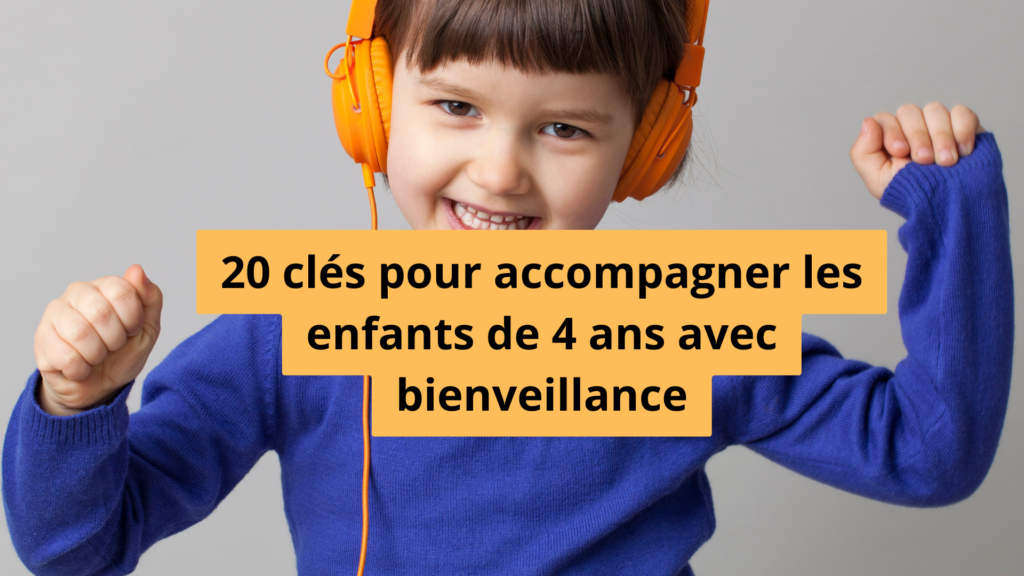
Gentle parenting for 4-year-olds works best when you combine curiosity, clear limits and a lot of patience. At this age children want to understand how the world works, and they test rules to see whether they still hold.
The twenty keys below translate into everyday habits: answering questions honestly, explaining why limits exist, giving short and positive instructions, and helping children name what they feel. None of it requires special equipment, only a little intention.

You can start with one or two ideas and let the rest grow over the weeks, adjusting to your own child's temperament.
Quick takeaways
- Answer questions honestly and ask for your child's ideas
- Explain the why behind rules, then repeat them calmly
- Give instructions at eye level, short and positive
- Check understanding by asking the child to repeat back
- Name emotions and connect stories to real life
- Praise effort and cooperation with specific words
Feeding curiosity about the world
Four-year-olds want to know how things work. Explain without oversimplifying, and turn their questions back to them: "And what do you think?" This keeps their thinking active instead of passive. Take the time to answer, even when the answer is "I don't know, let's find out".
Asking for their ideas and opinions shows that you value their mind. It also builds the vocabulary and confidence they need later, much like the small daily habits behind learning English early.
Questions as conversation starters
A child who is used to being asked "why do you think that happened?" will ask themselves the same question later. Keep your tone curious rather than testing, and let them be wrong sometimes.
Rules and limits that make sense
Explain why limits exist: safety, respect for others, fairness in games. Share your concern for their safety rather than issuing orders. Detail expectations clearly: what, where, when. Make the distinction between play and non-play explicit, because crossing the road is never a game. If questions about bodies come up, it helps to know how to talk about masturbation calmly and without shame.
Do not assume a four- or five-year-old will follow every rule all the time just because you explained it last week. Repetition is normal, not defiance. When something goes wrong, think together about a better way to ask next time.
Help children tame strong emotions and frustration; naming feelings out loud is a good start. Catch them succeeding and say so: "Thank you, you waited patiently" or "It's pleasant when you share".

| Situation | What to do | What to avoid |
|---|---|---|
| Child asks "why?" | Answer simply, ask their view | Dismissing the question |
| Rule is broken | Explain impact, plan next time | Assuming defiance |
| Giving an instruction | Eye level, short, positive | Long lists of "don't" |
| Strong emotion | Name it, stay calm | Threats or humiliation |
| Good behaviour | Specific verbal praise | Food as a reward |
Giving instructions children can actually follow
Get down to the child's physical level, at face height with eye contact, before giving a direction. Use short, simple sentences in positive language, and repeat them as many times as needed. "Please walk inside" works better than a long list of what not to do.
Then check understanding: ask the child to tell you what they heard, and wait for confirmation. This step prevents a lot of frustration on both sides, and it mirrors the patience needed in everyday moments like toddler chewing habits. The same calm, step-by-step approach helps when you keep a child warm in a car seat without a bulky coat.
Rewards and food
Keep praise verbal rather than edible. Using treats to reward behaviour teaches the wrong lesson, as explained in food as reward.

Respect, empathy and example
Explain how their actions affect others: "When you shout, your sister feels sad." Point their attention to the impact of behaviour rather than to punishment. Show the example by treating children the way you want them to treat others: welcoming emotions, showing respect, avoiding threats and humiliation, and communicating positively.
When a child seeks attention in awkward ways, think in terms of needs. What is behind the behaviour? Sometimes it is connection, sometimes autonomy. Involving children in daily tasks and family meetings gives them a real place and reduces the need to act out. Chores are a practical route to responsibility, as these household chores ideas show.

Stories as a tool for understanding
Talk about the emotions of characters in books and films. Read stories and explain the moral, then help children connect the story to real life: "Do you remember when you felt like that?"
Stories give children a safe distance from which to examine feelings, choices and consequences. A child who can say "the rabbit was scared" is one step closer to saying "I was scared".
Imaginary companions
Some children invent a friend to process emotions, which is normal; read more about imaginary friend questions if you are unsure.

Building the broader environment
What surrounds a child matters as much as what we say. Choose toys that invite open-ended play and match their stage, such as the learning toys for three-year-olds that grow with them. Keep screens and stimulation balanced, and protect calm moments in the day.
Parents also need support. Watching a good talk or reading about child development can renew your patience, and these parenting TED talks are a gentle place to start.
Finally, remember that guidance is not a performance. Some days go well, others less so, and tomorrow is another chance to try again with kindness.
My hands-on take
In my own experience, the eye-level trick changed the most. I used to call instructions across the room and then feel frustrated when nothing happened. Kneeling down, waiting for a look, and saying one short sentence made a visible difference within days.
The other habit I keep is asking "what do you think?" instead of jumping in with the answer. It slows me down, and it often reveals that my child has already worked out something I would have missed. Some days I forget both. The point is not perfection, it is returning to the same kind approach tomorrow.
Frequently asked questions
How many times should I repeat a rule?
As many times as your child needs. At four, memory and self-control are still developing, so repetition is part of learning, not a sign that your explanation failed.
Should I reward good behaviour with treats?
Verbal praise is more useful. Food rewards can teach children to behave for the treat rather than for the relationship or the rule itself.
What if my child ignores instructions?
Check first that they heard and understood. Get to eye level, use short positive words, and ask them to repeat the instruction back to you.
Is it normal for a four-year-old to test limits?
Yes. Testing is how children learn where the boundaries are, and consistent, calm responses help them feel secure.
Product Reviews
 Best Toys for Dogs With High Prey Drive |
Best Outdoor Toys for 3-4 Year Olds |
Best Outdoor Toys for 6 Year Olds |
Best Harness for Poodle |
Best LEGO Sets for Adults |
Best Travel Toys for 4 Year Olds on Airplane |
Best Toy Stores in Washington DC |
Best Potty Training Toys |
Best Toys for Tripod Dogs |
Maillot equipe de france







