


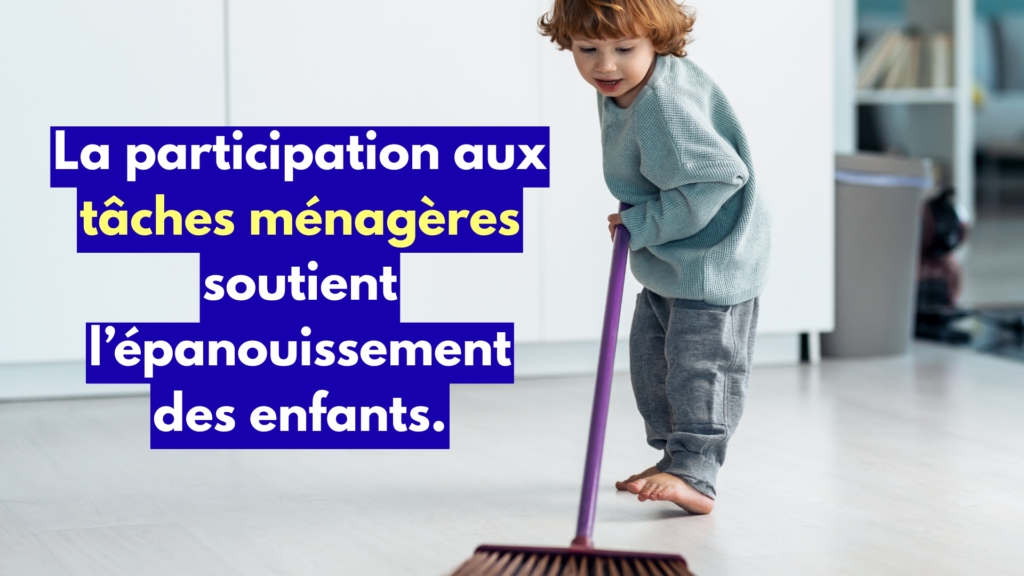
Chores for kids are far more than a way to keep the house tidy: they are one of the simplest ways to help children grow into capable, self-assured people.
Many parents say they only want their children to be happy, yet the first question after school is often about homework and grades. The message children may absorb is that their worth depends on marks or on winning competitions.

This article looks at why household tasks matter, how they build self-efficacy and belonging, and how to involve children step by step without turning family life into a power struggle.
Quick takeaways
- Chores build self-efficacy: a child's own actions create a visible result.
- Belonging and feeling useful are essential human needs that family tasks meet.
- Prioritising grades by removing chores can hold responsibility back.
- Autonomy is built gradually, respecting each child's abilities and pace.
- Invite cooperation instead of threatening, punishing or rewarding.
- Age markers are guides, not a test: every child develops at their own rhythm.
Why household tasks matter more than grades
In a widely shared talk, author Julie Lythcott-Haims argues that success is not about good grades or getting into a prestigious school. Real success, she says, means having the inner resources needed to fulfil yourself.
When we free children from any participation in household chores, we remove a chance to build self-efficacy. Self-efficacy grows when a child's own actions lead to a visible result, not when parents do everything for them. If you want to go deeper, read about self-improvement in children.
Human beings have essential needs: belonging to a group and feeling important and useful. Children need to sense that their personal contribution counts and that they have a place in the family. A useful daily question is simply: how can I help my child feel both belonging and importance?
The trap of prioritising homework over helping
Because we invest so heavily in school results, we often excuse children and teenagers from family life so they have more time for homework. Yet children need to think, plan, decide, do, hope, manage, try, fail, dream and experience life for themselves.
Lythcott-Haims puts it plainly: children do not need us to be obsessed with their grades; they need a childhood that gives them a foundation for success, built from things like love and household tasks.
Taking part in the domestic life of the family shapes a roll-up-your-sleeves mindset, where shared effort benefits everyone and where people ask how they can help. It also develops a sense of responsibility and teaches children to do things even when they do not feel like it. For a cooperative family culture, see phrases for children. A predictable routine helps too, so if your child takes hours, keep evenings calm and simple. And when treats are part of family life, it pays to know the facts about ice cream.
| Age | Sample tasks | What it builds |
|---|---|---|
| Around 2 | Bin papers, put shoes away, laundry in basket | First sense of contributing |
| Around 4 | Dress alone, set table, sort socks | Coordination and usefulness |
| Around 6 | Wipe table, empty dishwasher, tidy room | Responsibility and autonomy |
| Any age | Shared family tasks done together | Belonging and cooperation |
Autonomy grows step by step, not by decree
Involving children in tasks that keep the family running, such as cleaning, tidying and meals, builds responsibility and lightens the mental load of parents. This autonomy cannot be declared; it is built gradually, respecting each child's abilities and pace.
Doing things for children when they are capable of doing them, perhaps to go faster or to feel useful as a parent, keeps them dependent. It holds back their confidence and their sense of individual and collective responsibility. Kitchen tasks are a good example: children's knives show how much even young children can safely learn to do.
Give the example with enthusiasm, trust children from an early age, and invite cooperation rather than threatening, punishing or rewarding. That approach works best over the long term for developing responsibility.
Age markers for tasks around the house
These gentle reference points help you match tasks to a child's stage rather than to your own impatience. They are guides, not a test, and every child develops at their own rhythm.
From around 2 years
Throw papers or banana skins in the bin, put shoes where they belong, place dirty clothes in the basket. Small everyday gestures like these are the first taste of contributing.
From around 4 years
Dress alone, help set the table, tidy books and toys, fold bath towels, sort socks. These tasks combine coordination with a real sense of usefulness.
From around 6 years
Wipe the table with a sponge, empty the dishwasher, carry the laundry basket down, empty the dryer, carry a shopping bag, tidy their room, remove dirty sheets, put clean clothes in drawers. For more detail on matching tasks to stages, read housework according to age.

Making cooperation the everyday habit
Inviting cooperation works better than a reward chart that turns helping into a transaction. When children feel their contribution is genuinely needed, they are more likely to pitch in without being asked.
Keep expectations realistic and let children see the result of their effort. A tidy shelf or a table ready for dinner is feedback they can feel proud of. If you are looking for playful ways to build independence, Montessori crafts offer simple starting points, and these Easter basket toys can encourage hands-on helping too.
Family life is also about rhythm and rest. Children cope better with responsibilities when they are not overtired, so it helps to know how to handle child fatigue. It also helps to understand when to hold them through big feelings. And when the household runs more smoothly, there is often more room for calm evenings, which supports everyone's wellbeing.

My hands-on take
I started small with my own children, mostly because I was tired of doing everything alone. The first change was letting my youngest put shoes away and carry dirty clothes to the basket, even when it took twice as long as doing it myself. It was messy and slow, and I had to bite my tongue more than once.
What surprised me was how proud they looked when they finished a task on their own. Over time I stopped stepping in to "help" and started asking what they thought needed doing. Some days it works beautifully; other days nobody wants to help. I have learned to treat it as a long game rather than a daily battle.
Frequently asked questions
At what age can children start helping at home?
Even toddlers around two can do simple things like putting shoes away or throwing papers in the bin. The key is to match the task to the child's abilities and pace rather than waiting for a perfect age.
Should I reward my child for doing chores?
The article suggests inviting cooperation rather than rewarding or punishing. Rewards can turn helping into a transaction, while genuine contribution builds a lasting sense of responsibility.
What if my child refuses to help?
Try inviting cooperation and giving the example with enthusiasm instead of threatening. Children are more willing when they feel their contribution is genuinely needed and valued.
Does helping at home really affect school success?
The argument is that success rests on inner resources like responsibility and self-efficacy, not only on grades. Household tasks help build exactly those foundations.
Product Reviews
 Best Toys for Dogs With High Prey Drive |
Best Outdoor Toys for 3-4 Year Olds |
Best Outdoor Toys for 6 Year Olds |
Best Harness for Poodle |
Best LEGO Sets for Adults |
Best Travel Toys for 4 Year Olds on Airplane |
Best Toy Stores in Washington DC |
Best Potty Training Toys |
Best Toys for Tripod Dogs |
Maillot equipe de france







