


Using play to channel aggression works because young children are not built to stay still and quiet. Asking a child to be motionless and good denies the motor activity and outlet they genuinely need, and it puts adult comfort ahead of the child.
Education, then, is about steering that energy toward gestures and activities that are acceptable. Play becomes the tool: it lets children satisfy their impulses in ways that modulate aggression, moderate motor urges and help them master their own movements.

What follows are practical substitutions for common flashpoints, sorted by age and situation, so you can respond to the impulse instead of simply suppressing it.
Quick takeaways
- Stillness is not the goal; redirect the impulse instead of blocking it.
- Match the outlet to age: exploration and motor play for toddlers, plus construction and pretend play for older children.
- Swap forbidden objects for safe equivalents rather than saying no.
- Give hitting a target: drums, pans, hammering toys.
- Play with voice and speed to manage shouting and indoor running.
- Reserve the fastest, loudest play for outdoors.
Why children need an outlet, not stillness
Early childhood educators point out that a child's need for movement is not misbehaviour; it is development. When we demand stillness, we are often answering our own need for calm rather than the child's need to explore and discharge energy.
The alternative is to redirect. Rather than blocking the impulse, you offer a playful route that satisfies it. This is where toys and open-ended play earn their place: a simple object can absorb a push, a throw or a bang far better than a sibling can. If you are stocking up, these affordable toys cover a lot of ground without much expense.
Match the outlet to the age. Children around one and two — the little trotters — thrive on exploration (digging, pouring, touching, observing, manipulating) and motor play (climbing, sliding, running, jumping, pushing, pulling, throwing). Three- to six-year-olds need the same, plus construction and pretend play such as playing mummy or doctor. For the youngest, a set of toys for toddlers built around filling, stacking and moving pays off again and again.
Redirecting hands: hair-pulling and hitting
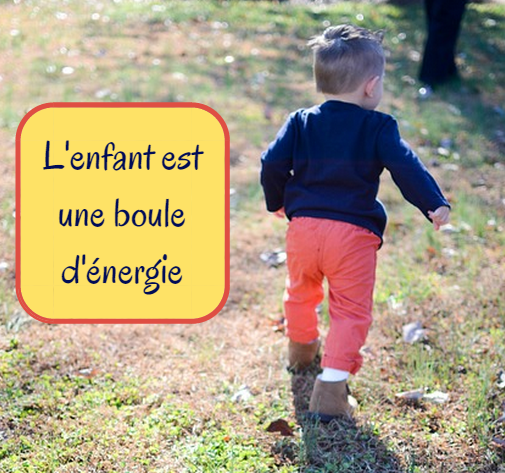
When a child pulls another child's hair, the impulse is often about grasping and tugging. Offer a brush so the child can comb a doll's hair instead — the same hand motion, a safe target.
Hitting is the classic case for redirection. Steer the gesture toward objects that are meant to be struck: percussion instruments such as a tambourine, xylophone or castanets, or saucepans (or, for a quieter version, plastic boxes). Toys that reproduce the striking motion work too, like a hammering game or a mole-hitting toy, as do real activities such as crafts or gardening.
If your child is drawn to hammering and building, construction play is a natural fit, and even small details matter — our guide on LEGO stud size is handy if you are choosing bricks for small hands. Keep the message consistent: the hand is not the problem, the target is.
| Situation | What the child needs | Playful alternative |
|---|---|---|
| Pulling hair | Grasping and tugging | Brush a doll's hair |
| Carrying forbidden items | Carrying something precious | Moving-day boxes or a child's own tea set |
| Hitting | Striking motion | Percussion, pans, hammering toys |
| Splashing at the sink | Exploring water | Reserved basin or extended bath time |
| Shouting indoors | Voice experimentation | Whisper, roar, robot voice games |
| Running indoors | Speed and movement | Astronaut walk, slow-motion game |
Carrying, clomping and splashing
When a child hauls around forbidden or dangerous objects, swap in unbreakable ones. Invite a moving-day game with rescued boxes and old items, or give the child breakable objects that belong only to them, like a little porcelain tea set, so the urge to carry something precious is met safely.
The same logic applies to roller skates, pricey shoes or a sibling's shoes that won't be shared. Tissue boxes become skates or astronaut boots; old slippers or socks become sliding shoes.
Water play at bath or hand-washing time is another flashpoint. Give the child a place reserved for water — a basin and plastic bottles on a balcony that can overflow without flooding the flat, for example — or extend bath time so the desire to explore water is genuinely satisfied. A child who is wary of water needs a gentler approach; these tips for water fear help build comfort first.

Voice, speed and the indoor-running problem
When a child shouts indoors, play with the voice itself. Ask for a whisper "like you're keeping a secret", a lion's roar, a choppy robot voice, a Santa laugh, an elephant trumpet. Outdoors, the tiger roar has its place.
Running indoors above neighbours calls for the same trick. Save the fastest running (like a cheetah) and the loudest stomping (elephant steps) for outside. Indoors, walk like an astronaut with big floating strides, or like a skater gliding smoothly.
The slow-motion game is a lovely tool here: call "Action!" and "Stop!" as the child becomes a leaping tiger, then a tender koala eating eucalyptus, then a tiger who spots the koala, and so on until the tiger sits down to rest. It teaches switching gears, which is exactly the skill behind self-regulation. Physical play like this also pairs well with the everyday routines in these household chores that build responsibility.

More situations, same principle
When a child throws objects, set up a soft-toy throwing session: the child throws, the parent catches and throws back — a long-tailed monkey to twirl before launching works well.
When a child wants to draw on walls or the sofa, give a free-expression zone with cardboard offcuts and fabric. The principle holds across situations: find what the impulse is asking for, then give it a yes.
Some children need extra support with impulse control and social skills, and patience matters — the perspective in this piece on growing up is a good reminder that these phases pass. If your child is navigating social play with peers who think differently, these peer interaction ideas offer useful context. And when the day's energy needs a structured outlet, a team game with simple rules can absorb a lot — Colpbol rules are easy to pick up.


My hands-on take
In our flat, the water battle was the one that changed everything. My daughter wanted to play at the sink every single time we washed hands, and every time I said no, it ended in tears. So we set up a basin and a few plastic bottles on the balcony, and suddenly the sink stopped being a battlefield.
The voice game was the other surprise. When the shouting got loud, I started asking for a robot voice or a secret whisper, and the volume dropped without a single lecture. It is not magic — some days nothing works — but having a playful answer ready means I am redirecting instead of just saying no all afternoon.
Frequently asked questions
Is it wrong to ask a child to sit still?
Not always, but demanding stillness to protect adult peace ignores a real developmental need for movement. The better move is to schedule outlets and redirect the impulse when it appears.
What if my child refuses the alternative?
Offer two acceptable choices rather than one, and stay calm. The goal is to give the impulse a yes, not to win a negotiation.
Does this work for older children too?
Yes. The same principle — find what the impulse wants and give it a safe route — scales up; older children can help design the game.
How do I handle hitting in the moment?
Block the hit calmly, name the feeling, then immediately offer a striking outlet such as a drum or cushion.
Product Reviews
 Best Toys for Dogs With High Prey Drive |
Best Outdoor Toys for 3-4 Year Olds |
Best Outdoor Toys for 6 Year Olds |
Best Harness for Poodle |
Best LEGO Sets for Adults |
Best Travel Toys for 4 Year Olds on Airplane |
Best Toy Stores in Washington DC |
Best Potty Training Toys |
Best Toys for Tripod Dogs |
Maillot equipe de france







