


Spanking used as an educational method is still defended by many parents, often with the belief that it does no harm and even helps a child stay on the right path. In reality, hitting a child is far from harmless: its harmful consequences tend to be minimized, and denial is a common defense mechanism.
Many adults who received spankings justify both the blows they received and the blows they give, telling themselves the child asked for it or needed limits. This resistance comes partly from imitation and loyalty: it is painful to admit that our own parents hurt us under the guise of love.

Because most parents today and in past generations have used spanking, the subject stirs guilt and defensiveness. Yet a psychotherapist outlines five harmful consequences worth understanding calmly, without judgment.
Quick takeaways
- Spanking does not educate; it teaches a child to disconnect from their emotions.
- Children record violence from caregivers as a normal relationship model.
- Stored stress is often released later toward weaker people.
- Past powerlessness can resurface in adulthood as phobias or freezing responses.
- Hitting disrupts the innate need for attachment and safety.
- Defensiveness, not lack of information, keeps the cycle going.
1. A Dysfunctional Emotional System
Education through ordinary violent discipline, especially spanking, does not educate: it creates emotional blockages. The child is forced to cut off from emotions and from their inner world, learning to make their emotional system malfunction.
The child stops trusting feelings, emotions and sensations, having heard there is no reason to cry over so little, that a parent will give a good reason to cry, that they are not really hurt after falling, or that they have no right to want sweets. Over time, the child loses receptivity to the warning signals meant to guide them: they lose their compass. If feelings are treated as unimportant and adults must be obeyed in every case, deep inner resistance and intuition get ignored, even in danger, when no trusted adult is there to decide for them. Simple daily rituals, like mom's shadow moments of reassurance, are exactly what help a child keep that compass intact.

2. Learning Violence as a Healthy Relationship Model
When an adult interacts with a child through violence, physical or verbal, the child records that violence as a good and healthy way of relating. It cannot be bad, because it comes from the parents themselves. The child cannot imagine that their parents are harming them, since they are led to believe the violence is for their good; realizing otherwise would be too painful.
When a child stores too much stress, it has to be released at some point, often toward those weaker who feel less frightening than the parents. This is why some children who are hit at home end up lashing out at siblings, pets or classmates. Even play can carry this tension, which is why choosing toys that channel energy safely, such as the options in this guide to independent play, matters for a child under stress. A little wooden house can offer a calm space to play, and parents who judge themselves harshly can still choose gentler responses.

| Child's need | What spanking teaches | A calmer alternative |
|---|---|---|
| Emotional safety | Hide feelings and stop trusting them | Name the feeling out loud |
| Attachment | Closeness can bring pain | Comfort first, then limits |
| Limits | Fear replaces understanding | Clear, calm, consistent rules |
| Stress release | Unload on weaker people | Physical play and movement |
| Trust in adults | Adults may hurt you | Repair after conflict |
3. Repercussions in Adult Life
Situations of powerlessness or danger from the past can resurface in the adult's present, for example through psychosomatic expressions. A child locked in a closet who repressed the memory may suffer claustrophobia as an adult without understanding its origin. An adult whose parents harshly repeated that one does not talk back may freeze whenever someone intimidates them.
The brain cannot properly decode what happens during an aggression, which prevents the violence or threat from being encoded and processed as an autobiographical situation. Violence can also become the only mode of expression and communication: in a crisis, a person can become as mean as they were frightened, waiting for the slightest misstep from children, partner, friends or colleagues to unload everything accumulated silently.
The more easily we get angry at our children, the more afraid we were as children and the more endangered we felt with our own parents. That violence gets disguised as love or as the necessity to educate, and the disguise is what allows harsh discipline to be praised. Parents rebuilding calm routines, from postpartum recovery onward, often find their own triggers easier to notice. Understanding why childbirth comes early can also help parents recognize stress and seek support sooner, while local resources like the best toy stores offer family-friendly places to reconnect.
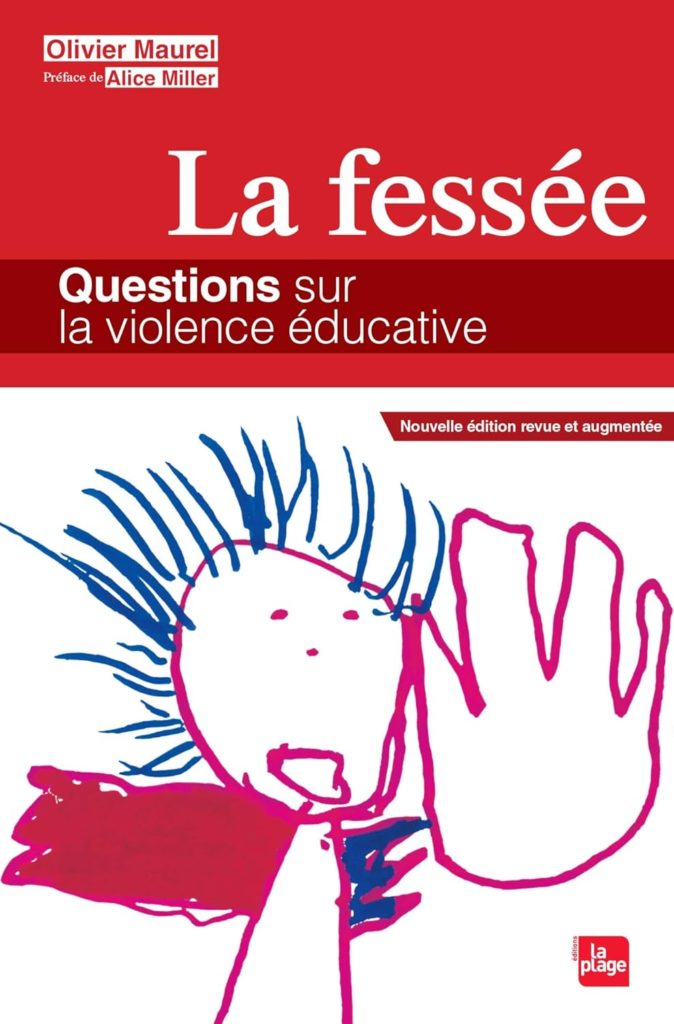
4. Loss of the Innate Landmarks for a Balanced Life
Several innate landmarks needed for survival and a balanced life are disturbed by an education through spanking. The first is the need for attachment: human beings are programmed to seek closeness to an adult around them in moments of distress, to be reassured throughout childhood.
When the person who frightens the child is also the person they turn to for comfort, that landmark becomes confusing. The child learns that seeking closeness can bring pain, which undermines the very foundation of trust. Everyday caregiving, such as knowing ear pain signs and responding gently, reinforces that a distressed child can safely come to an adult.
Other landmarks
Beyond attachment, the sense of safety and the ability to read one's own body signals are also shaken. A child raised with blows learns to ignore discomfort rather than act on it, a habit that follows them into adulthood. Paying attention to physical wellbeing early, including tips on protecting children's backs, is one small way to rebuild that respectful attention to the body.

5. Why the Message Is So Hard to Hear
As the psychotherapist notes, discovering oneself to be harsh is not very glorious, and it throws us back into our own past. A parent who spanks and hears the anti-spanking message, even when it is scientifically grounded and free of moral judgment, feels caught at fault. The message then meets annoyed or hurt people who cannot retain the arguments because they move into a defensive position, like a child caught doing wrong.
This is why shaming rarely changes behavior. What helps is information delivered without accusation, plus concrete alternatives: naming feelings, setting limits calmly, repairing after a rupture. Parents who were themselves hit often carry old fears into daily life, and addressing them gently, much like working through childhood hair loss worries with patience, takes time and kindness toward oneself.
My hands-on take
I remember the first time my child threw a full tantrum in a supermarket and every old reflex told me a smack would end it fast. What actually helped was crouching down, lowering my voice and naming what I saw: tired, hungry, overwhelmed. It took longer, and I was exhausted, but the next tantrum was shorter.
What changed most for me was noticing my own triggers. When I feel that sudden heat rising, I now step back for a few seconds and remind myself that my child is not testing me, they are struggling. Repairing after I lose my temper has taught me more about trust than any perfect moment ever did.
Frequently asked questions
Is spanking ever an effective discipline method?
It may stop a behavior briefly through fear, but it does not teach the child what to do instead. It also damages trust and emotional development, which outweighs any short-term compliance.
Why do so many parents defend spanking?
Many adults were spanked themselves, and admitting it caused harm feels disloyal to their own parents. Denial protects them from a painful realization, so arguments alone rarely change minds.
Can the effects of spanking show up in adulthood?
Yes. Past situations of powerlessness can resurface as phobias, freezing responses or difficulty managing anger. The brain does not process aggression the way it processes ordinary memories.
What can parents do instead when they feel overwhelmed?
Pause, breathe and name what is happening before reacting. Setting calm limits and repairing after a rupture teaches more than any blow, and support from others makes it easier.
Product Reviews
 Best Toys for Dogs With High Prey Drive |
Best Outdoor Toys for 3-4 Year Olds |
Best Outdoor Toys for 6 Year Olds |
Best Harness for Poodle |
Best LEGO Sets for Adults |
Best Travel Toys for 4 Year Olds on Airplane |
Best Toy Stores in Washington DC |
Best Potty Training Toys |
Best Toys for Tripod Dogs |
Maillot equipe de france







