


Prison shock is the name given to the sudden distress caused by a brutal break with free life, and a recent French book uses one famous inmate's diary to show how differently it lands on ordinary detainees. The authors contrast a short, privileged stay with the everyday reality of French prisons.
Their argument matters far beyond politics. It speaks to anyone raising children, because the same logic of punishment, shame and broken family ties runs through our homes and classrooms. Understanding what incarceration really does to people is a first step toward refusing needless harshness.

Quick takeaways
- Prison shock is a real distress state triggered by the first hours of detention.
- Privileged arrivals skip the strip search, the unknown date and the lost bearings.
- Prolonged isolation damages senses and mental health and blocks rehabilitation.
- Visit permits take weeks, and meeting conditions are often indecent.
- Women relatives absorb travel costs, shop bills and public shame.
- Arbitrary discipline feels like punishment inside punishment and breeds revolt.
What prison shock actually is
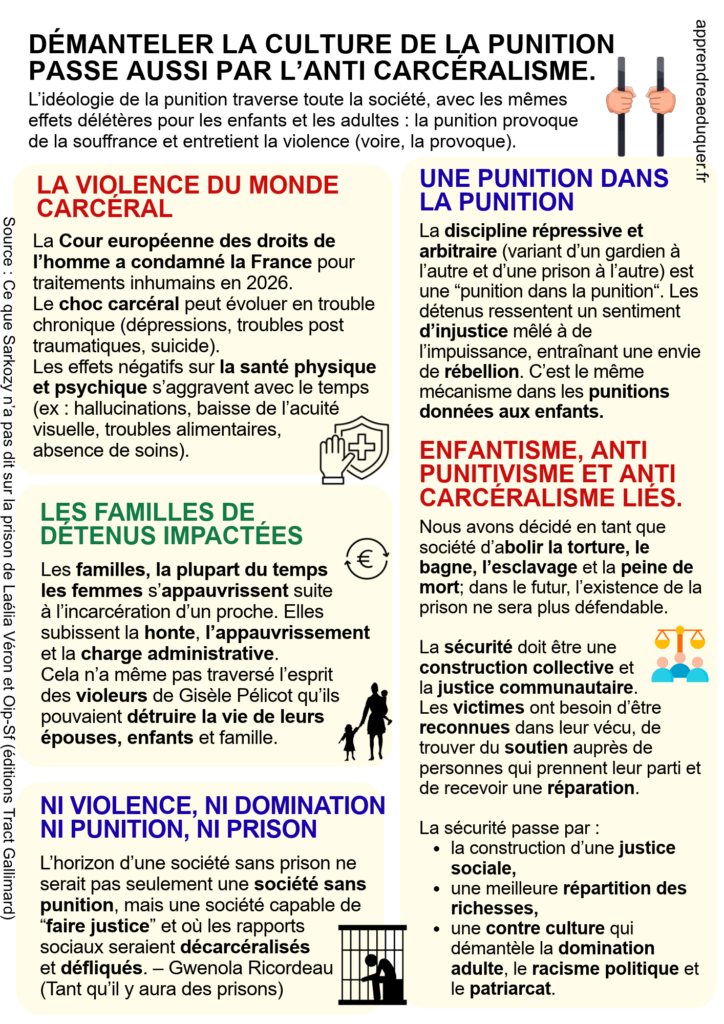
Prison shock begins the moment the door closes: the administrative formalities, the registration number, the strip search, the confiscation of personal belongings. Add the loss of privacy and the rupture of family and friendship ties, and you have a state of acute distress. One inmate in the book had a gentler reception, with a known date of arrival and time to prepare a bag and his mind.
The authors note that the European Court of Human Rights has condemned France over inhuman treatment, and that prison shock can turn into chronic trouble such as depression, post-traumatic symptoms and suicide attempts. Some critics of institutional psychiatry compare it to the shock of being confined in a psychiatric hospital. Readers interested in how early separation affects small children may find echoes in first night away.
Isolation: from relief to destruction
The famous prisoner first found isolation healthy, then gruelling. Prolonged isolation is genuinely destructive, because it removes not only social contact but sensory stimulation: blocked windows, a solitary walk in a tiny yard, a view always behind mesh, few or no activities. He wrote of losing his bearings, but the authors stress that harm to body and mind deepens with time, including hallucinations, declining eyesight and eating disorders.
Isolation also contradicts the rehabilitation mission of prison, since desocialisation reaches its peak there. The same principle applies at home: harsh isolation rarely teaches anything, and consistency matters just as much when grandparents follow parenting rules. Parents who rely on blackmail to educate often discover that pressure breeds resistance rather than cooperation, much as avoiding awkward conversations about masturbation leaves children without guidance.
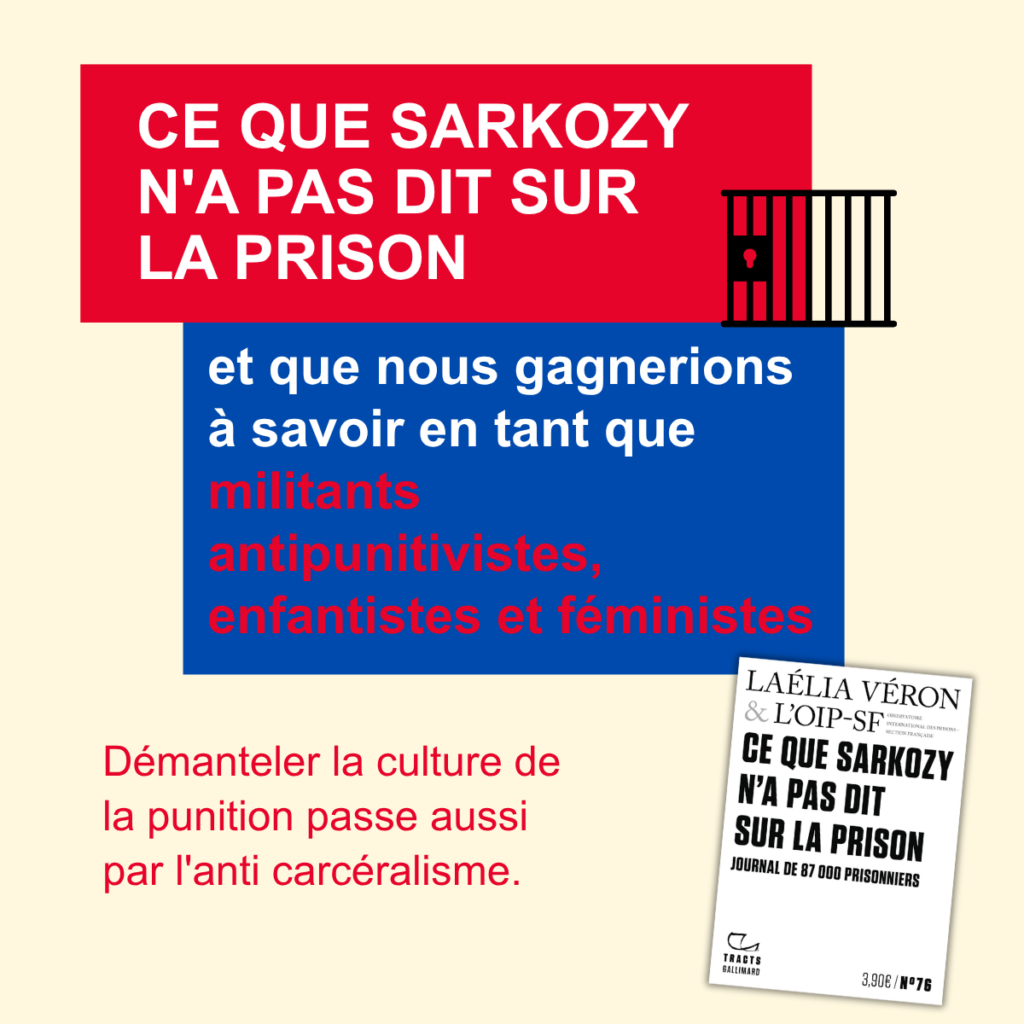
| Aspect of detention | Celebrity experience | Ordinary experience |
|---|---|---|
| Arrival | Welcomed by the director, date known in advance | Sudden, strip search, registration number |
| Isolation | Short and described as first healthy, then hard | Long, sensory deprivation, worsening symptoms |
| First visit | Spouse admitted on day one | Three to four weeks for a permit |
| Visiting conditions | Relative comfort and sympathy | Searches, banned objects, no privacy, short slots |
| Family finances | Largely unaffected | Travel and shop costs fall on women |
| Discipline | Barely mentioned in the diary | Arbitrary, felt as punishment within punishment |
Visits: hurdles most families know
His wife visited on the very first day, a regime the prison observatory calls a privilege or a special favour. Ordinary families face a queue of obstacles: three to four weeks on average between the request and the permit, appointment systems that are saturated or broken, too few slots because of overcrowding, searches at the gate, banned objects and meeting rooms that are rarely decent, with no privacy and about forty-five minutes.
These small logistics decide whether a child sees a parent at all. Anyone who has planned a trip with young ones knows how much organisation a single visit demands; the practical tips in motorhome route planning apply in spirit here, since preparation is everything.
The hidden cost carried by women
Families grow poorer after a relative is locked up. Women mostly carry the burden: wives, sisters, mothers and daughters pay for travel to the visiting room and for the internal shop, where products are expensive but make daily life in a cell bearable. They also absorb the shame, sometimes doubled by media exposure, threats and harassment.
One writer observing a rape trial noted that the accused men never seemed to imagine they could destroy the lives of their wives, children and whole families. That blindness is worth naming early, and it starts with the small behaviours we model at home, as listed in behaviours to avoid.
Discipline: punishment inside punishment
The authors regret how little the diary says about discipline. Repressive and arbitrary rules, varying from one guard or prison to another, amount to a punishment within the punishment. Detainees describe injustice mixed with powerlessness, which can spark a desire to rebel. The mechanism mirrors educational punishment: the child who feels unfairly treated stops cooperating and starts resisting.
That is why consistent, explained limits work better than sudden crackdowns. The same reasoning appears in baby sign language, where naming things early reduces frustration for everyone. A prison that only punishes prepares no one for freedom.
What this means for parents and citizens
Reading this account, the useful question is not whether one man suffered, but which suffering we consider normal. Children learn about justice long before they read about courts, through chores, rules and repairs after conflict. A household that separates the act from the person raises adults less tempted by punitive reflexes.
Concretely, that means explaining a sanction, keeping contact with the people we love and refusing shame as a tool. The same care applies to health scares that frighten families, such as vomiting in children, where calm information beats panic. It also applies to sensitive topics like fertility facts and everyday routines such as twins sleep routines. Small habits of dignity at home are the raw material of a less punitive society.

My hands-on take
I once helped a neighbour prepare for a visiting room, and what struck me was the paperwork, not the emotion. She had been waiting weeks for a permit, juggling a bus timetable and a bag of allowed items, and the visit itself lasted less than an hour. Her children asked why the trip was so short, and I had no good answer.
Since then I have tried to be gentler about small separations at home, bedtime included, because a child who feels abandoned over a night learns something lasting. I keep rules firm but explain them, and I repair quickly after a conflict. None of that fixes a prison system, but it does shape the adults we raise.
Frequently asked questions
What is prison shock?
It is the acute distress caused by the abrupt break with free life: the closing door, formalities, strip search, confiscated belongings and lost privacy. It can develop into depression, post-traumatic symptoms and suicide attempts.
Why is isolation considered harmful?
It removes social contact and sensory stimulation at the same time, which worsens physical and mental health over the weeks. It also contradicts the stated goal of rehabilitation, since desocialisation peaks there.
Who supports prisoners' families?
Mostly women, whether wives, sisters, mothers or daughters. They pay for travel and internal shop purchases, and they often carry shame and harassment on top of it.
How does prison discipline compare to parenting?
Both rely on rules that feel arbitrary when unexplained, producing injustice and powerlessness. In each setting, consistent and explained limits work better than sudden repression.
Product Reviews
 Best Toys for Dogs With High Prey Drive |
Best Outdoor Toys for 3-4 Year Olds |
Best Outdoor Toys for 6 Year Olds |
Best Harness for Poodle |
Best LEGO Sets for Adults |
Best Travel Toys for 4 Year Olds on Airplane |
Best Toy Stores in Washington DC |
Best Potty Training Toys |
Best Toys for Tripod Dogs |
Maillot equipe de france







