


Becoming a positive food role model is one of the most protective gifts you can give a child. Eating disorders are complex and never the result of a single cause: genetics, temperament, media and parents' own relationship with their bodies all play a part. They are certainly not a rational decision or a lifestyle choice.
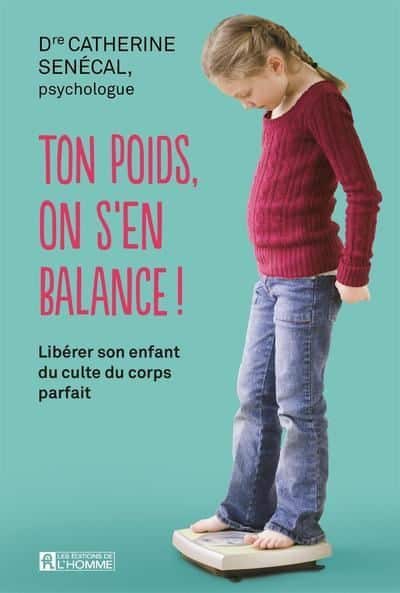
Psychologist Catherine Sénécal, author of a book on weight and wellbeing, encourages parents who suspect they struggle with disordered eating to seek help from qualified professionals. She also offers simple attitudes any parent can adopt to become a protective factor.

Making peace with food and with our own bodies is how we do everything in our power to break the vicious cycle from one generation to the next.
Quick takeaways
- Avoid comments, even compliments, about a child's weight or appearance.
- Drop restrictive diets and choose enjoyable movement instead.
- Stop criticising your own body in front of your children.
- Never use food as a reward or a punishment.
- Curate media and social networks that push appearance ideals.
- Keep meals relaxed and let children listen to their hunger.
Skip comments about your child's appearance or weight
The goal is never to suggest that looks matter more than anything else, that your love depends on a number on the scale, or that appearance is a family value. Children are so much more than their bodies, and they need to hear it.
Even positive compliments can create anxiety: a child praised endlessly for being beautiful may wonder what happens if that changes through ageing, illness or weight gain. Jokes about a child's weight or looks can also harm mental health. Humour works when we laugh kindly at ourselves or with others, never at someone's expense.
This same respectful tone applies when you toxic parents model talk about anyone in the family, including relatives who are absent from the conversation.
Give up weight-loss diets
A diet means constantly watching, counting and restricting what you eat. Sénécal points out that eating normally frees you from that ineffective prison and stops those preoccupations from interfering with your intuition and sensitivity toward your child's needs.
Movement is a better route to a healthy weight than restriction, as long as it stays pleasurable and is never tied to performance or appearance. Sport should celebrate what our bodies can do freely, not teach children to "burn calories" or "get more muscular". Instead, play.
If you are introducing solids to a baby, keep the same relaxed spirit and follow the introduction of solids guidance rather than rigid rules. And if you are wondering when to move beyond milk, our article on cereal porridge timing explains the signs of readiness.

| Situation | Habit to avoid | Protective habit |
|---|---|---|
| Child's appearance | Commenting on weight or looks | Praising effort, character and interests |
| Your own body | Criticising yourself out loud | Speaking about your body with kindness |
| Sport | Linking it to calories or muscle | Playing for fun, alone or in a team |
| Discipline | Food as reward or punishment | Neutral treats, clear non-food consequences |
| Media | Ignoring what children watch | Knowing their apps and discussing content |
Stop criticising your own body out loud
When we put down our own appearance, we often have a hidden goal: fishing for reassurance ("you're not fat") or trying to motivate ourselves to lose weight. Yet Sénécal reminds us that healthy, long-term motivation grows from kindness, not from the whip.
You are allowed to enjoy a good meal without guilt, or to enjoy shopping simply for clothes you like rather than sighing over being two sizes bigger. Children may not always listen to us, but they always watch us and build themselves on our example.
That example also covers daily habits beyond food, such as the routines in our guide on teaching tooth brushing and the posture advice in our tips to care for backs.
Never use food for discipline
With children, it is best to avoid bargaining around food altogether. Associations between a strong emotion and a particular food stay anchored in the brain for a very long time.
By refusing to link a punishment or a celebration to something edible, we avoid building an emotional connection with food. This is exactly why rewarding with food so often backfires, even when the intention is loving.
Keep treats neutral: they are simply part of life, not a trophy for good behaviour or a consolation prize after a hard day.
Shield children from social pressure around food
Media, advertising, brands and influencers constantly push a cult of appearance. Sénécal suggests concrete ways to push back: remove magazines that treat bodies as objects and emphasise looks, and get rid of or donate diet books.
Know which websites and social networks your children use, and talk with them about what they see. Curating the media they consume is part of the same protective work as choosing movies that teach lessons and reviewing the apps for children installed on their devices.
You can also question the messages carried by toys and games, and offer alternatives that value movement and play, such as the toys for psychomotor skills we recommend.
Build a calm, pressure-free food environment
Protection also happens at the table. Serve varied meals, let children tune into their own hunger and fullness, and keep the atmosphere relaxed rather than a battlefield of clean plates and negotiations.
Make room for pleasure: cooking together, discovering new textures, and celebrating the simple fact that the body works. When food is neither a reward nor a threat, children learn to trust themselves.
And when family life gets busy, practical organisation helps: our checklist of baby luggage essentials keeps trips calm, while our guide to 10 Best Storage Containers keeps the playroom tidy so mealtimes stay focused on food and conversation.

My hands-on take
I remember catching myself sighing in front of a mirror while my daughter was in the room, and realising she was watching me closely. That moment pushed me to change how I talk about my body, even on difficult days.
In practice, I stopped announcing diets and started describing food simply as tasty or filling. We cook together, we let treats be treats, and I try to praise my children for what they do rather than how they look. It is not perfect, but the atmosphere at home feels lighter, and mealtimes have become calmer for everyone.
Frequently asked questions
Can I still compliment my child's appearance?
Yes, occasionally, but avoid making looks the main source of praise. Focus most compliments on effort, kindness and interests so your child's worth never depends on appearance.
Is it bad to celebrate with a cake?
Celebrating with food now and then is normal social life. The problem is turning food into a systematic reward or punishment, which builds a lasting emotional link with eating.
What if I already struggle with my own eating?
Seeking help from a professional is a strong, protective step. You can still adopt calm attitudes at home while you work on your own relationship with food and your body.
How do I counter social media pressure?
Know which platforms your children use, watch content together and talk about the images they see. Removing diet magazines and books at home also sends a clear message.
Product Reviews
 Best Toys for Dogs With High Prey Drive |
Best Outdoor Toys for 3-4 Year Olds |
Best Outdoor Toys for 6 Year Olds |
Best Harness for Poodle |
Best LEGO Sets for Adults |
Best Travel Toys for 4 Year Olds on Airplane |
Best Toy Stores in Washington DC |
Best Potty Training Toys |
Best Toys for Tripod Dogs |
Maillot equipe de france







