


Positive discipline without punishment starts from a simple idea: children behave better when they feel better. Rather than asking who is to blame, the adult invites the child to look for a solution. That single shift changes the tone of a home or a classroom.
This approach does not mean dropping limits. It means replacing blame and fear with problem-solving skills children can carry into adult life. The goal is to repair what went wrong and to prevent it from happening again.

Quick takeaways
- Children behave better when they feel better, so blame rarely teaches.
- Replace "who did it?" with "what can we do about it?".
- Test every solution against four filters: related, respectful, reasonable, helpful.
- A related solution connects directly to the behavior, not to an unrelated punishment.
- Tell children the choices in advance so they decide rather than submit.
- Include children in making rules to raise cooperation.
Why Search for Solutions Instead of Culprits
When a problem appears, the reflex is often to find the guilty party and punish them. Positive discipline proposes a different route: name the problem, then look for solutions together. Children learn to help one another improve their behavior in a more respectful way.
Because they are not living in fear of punishment, children start thinking in terms of rules that make shared life work. Tattling and accusations give way to solution-finding, and their creativity goes into fixing things rather than into avoidance strategies. They also learn that everyone is allowed to make mistakes, and that what matters is repairing and preventing.
The same logic applies at home during rainy day activities, when boredom and friction rise and a quick conversation about solutions beats a lecture. It also shapes how we watch our children grow, since our parental gaze teaches them what we value.
The Four Features of a Real Solution
Children need training in academic subjects, and they also need training in solving relationship problems. To guide them, two authors describe four features of a good solution, often called the three Rs and an A. A solution should be related, respectful, reasonable and helpful.
Understanding these features is what separates positive discipline from punishment in disguise. When an adult proposes a consequence, running it through these four filters quickly shows whether it teaches something or simply makes the child feel worse.
A quick mental checklist
Before announcing anything, ask yourself: is it linked to the behavior, does it keep everyone's dignity, is it proportionate, and does it actually help the child do better next time? If one answer is no, rethink it. This habit works with toddlers and teens alike, much like choosing toys for a six month old requires matching the object to the child's real stage rather than to our hopes.

| Suggested response | Related? | Respectful, reasonable, helpful? |
|---|---|---|
| Sit on the floor for the whole break | No | No, unrelated and shaming |
| Clean every desk in the room | No | No, disproportionate |
| Clean the damaged desk in front of the class | Partly | No, public humiliation |
| Apologize immediately or go to the principal | No | No, threat and double penalty |
| Choose: clean the desk now or before class ends | Yes | Yes, a real choice with repair |
Related and Respectful Solutions
A solution must be directly linked to the behavior. If a child did not do their homework, sending them to the principal's office has no connection to homework. A related solution would be catching up on the work or losing the points attached to that task.
Respect matters just as much. Whatever solution is chosen, adults and children keep a respectful attitude and tone. It is the adult's job to apply it with dignity, offering a real choice: catch up during lunch or right after class. Children should also know in advance what choices await them if the expected behavior does not happen, so they make their own decision instead of feeling at the mercy of arbitrary adults.
Including children in building shared rules increases their commitment and cooperation. The same principle shows up when we pick non toxic teething toys: the child is more willing when the option suits them.
Reasonable and Helpful Solutions
A reasonable solution stays proportionate. Telling a child who wrote on a desk that they must clean every desk in the room is not reasonable, and adding a note to the parents turns it into a double penalty. The point is to fix the problem, not to pile on.
A helpful solution lets the child improve and resolve what happened. A useful exercise is to list several possible responses to one situation and test each against the four features. Sitting on the floor for the whole break, cleaning every desk, cleaning the damaged desk in front of the class, or forcing an immediate apology under threat all fail the test. Asking whether the child would rather clean the desk now or before the end of the day passes it.
That kind of respectful choice echoes the patience behind sitting the baby at the table or the calm needed when a toddler decides to throw everything on the ground.
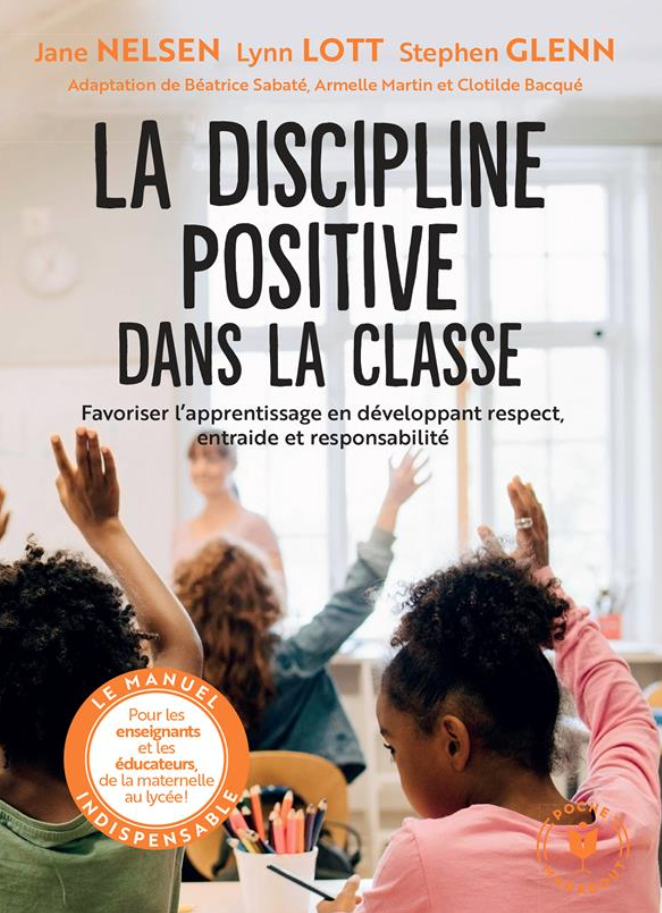
Making It a New Way of Working
Solution-finding can become a genuine habit, used by adults and children together. Parents and teachers can tell children that from now on, their task when a problem appears is to help find a solution. The adult stops being the judge and becomes a partner in repair.
The benefits reach beyond the immediate conflict. Children practice cooperation, take responsibility, and build problem-solving skills they will need for years. Adults get calmer too, because they no longer need to escalate to be heard.
This mindset pairs naturally with everyday moments, whether you are choosing outdoor toys that invite cooperation or planning long distance trips where flexibility and shared rules keep everyone sane.
Keeping the Focus on Repair
None of this means ignoring misbehavior. It means responding in a way that teaches. When something breaks, the conversation moves quickly to what needs repairing and what would prevent a repeat, and the child is invited to contribute ideas rather than defend themselves.
Over time, this builds trust. Children learn that mistakes are information, not verdicts, and that the adults around them care more about growth than about blame. That is the heart of positive discipline: firm limits, delivered with respect, aimed at solutions.
Even small daily choices support this climate, from toys for language development that encourage conversation to the way we handle Baby Einstein style questions about what really helps children learn.

My hands-on take
I tried this after a week of nagging about homework. Instead of announcing a punishment, I asked my child what would help them finish on time. The first answers were jokes, but then came something real: a quiet spot and a timer. We wrote it down together, and the arguing dropped.
What surprised me was my own shift. I stopped rehearsing the lecture and started asking, "what do we do about it?" Some days I still slip and reach for a consequence that fails every filter. When that happens, I name it, we restart, and the repair becomes part of the lesson rather than a defeat.
Frequently asked questions
Does positive discipline mean there are no consequences?
No. Limits stay, but consequences are linked to the behavior, respectful, reasonable and helpful. The aim is repair and learning, not making the child feel bad first.
What if my child refuses the solution?
Offer two acceptable choices in advance and hold the limit calmly. Knowing the options ahead of time helps children feel in control and choose rather than resist.
Can this work with more than one child?
Yes. Inviting everyone to suggest solutions reduces tattling and turns the group toward cooperation. Children often propose fair ideas adults would not think of.
How do I know if I am punishing in disguise?
Run your response through the four filters. If it is unrelated, shaming, disproportionate or unhelpful, it is likely a punishment wearing the clothes of discipline.
Product Reviews
 Best Toys for Dogs With High Prey Drive |
Best Outdoor Toys for 3-4 Year Olds |
Best Outdoor Toys for 6 Year Olds |
Best Harness for Poodle |
Best LEGO Sets for Adults |
Best Travel Toys for 4 Year Olds on Airplane |
Best Toy Stores in Washington DC |
Best Potty Training Toys |
Best Toys for Tripod Dogs |
Maillot equipe de france







