


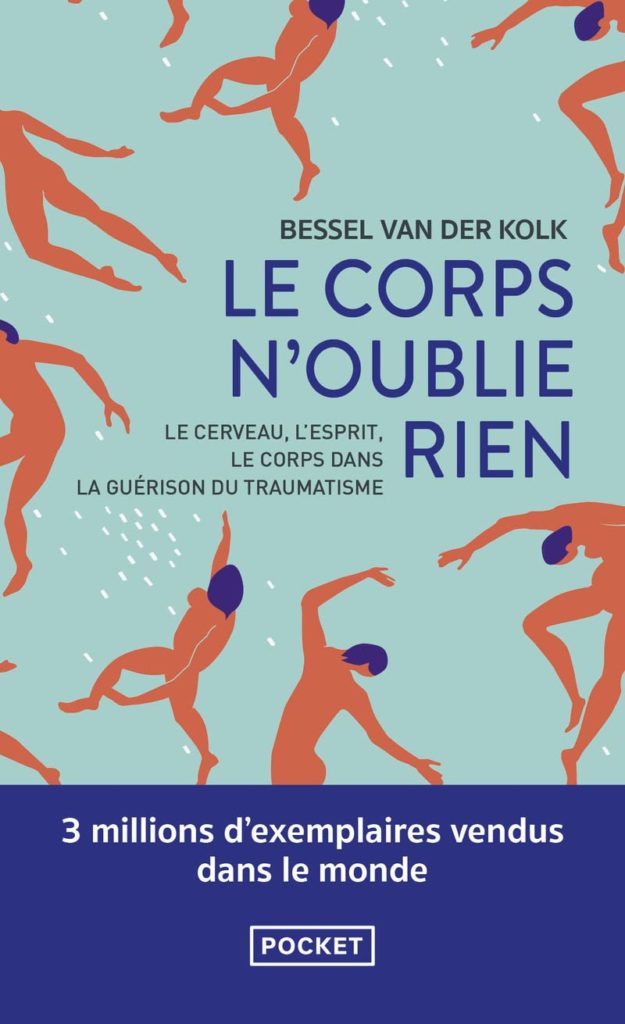
Body awareness and a solid support network are two conditions that make trauma recovery possible, according to leading trauma psychiatrist Bassel Van der Kolk. In his book on how the body keeps the score, he offers complementary paths to regain a sense of control, and none of them excludes the others.
His central idea is simple: to change what you feel when you are traumatized, you have to notice your inner experience and gradually make peace with it. Emotions live in the body, and most of the fibers of the vagus nerve actually run from the body up to the brain. That means breathing, chanting and moving can genuinely help regulate how aroused or shut down you feel.

Quick takeaways
- Emotions are stored in the body, so body awareness is a recovery skill.
- Notice sensations without judgment; they are temporary and changeable.
- Breathing, movement and rhythm help regulate the nervous system.
- Yoga, tai chi, martial arts and drumming all support trauma recovery.
- EMDR can help without requiring you to describe the unbearable.
- A trusted support network makes body-based work far easier.
Why the body holds trauma
When you pay attention to your sensations, you start to recognize the fluctuations of emotion and can steer them more easily. Traumatized people are often afraid of what they feel; their physical sensations have become enemies. The dread of being flooded keeps the body frozen and the mind closed, even when the event is long past.
This is why survivors do not simply tell their trauma, they relive it with the same sensations. It is no surprise that many turn to overeating, alcohol, or avoid intimacy and social contact. If anxiety shows up as a tight chest, a therapist might invite you to focus on that feeling and watch it shift as you exhale deeply. Learning to observe and tolerate physical reactions is essential before revisiting the past. A calm, patient approach to neck pain treatment follows the same logic of slow, attentive care.
Body-based tools: mindfulness, movement and rhythm
Van der Kolk lists several ways to regain control of the emotional brain. Research funded by the American health institutes found that ten weeks of yoga clearly reduced PTSD symptoms in patients for whom every other treatment, including medication, had failed. Neurofeedback can also help children and adults.
Learning to breathe calmly and stay in relative relaxation matters. As you follow the air in and out, you can think about oxygen feeding your tissues and helping you feel alive and grounded, in contact with your chair, the light through the window, the tension in your calves. Other approaches rely on mindfulness, movement, rhythm and action: yoga in India, tai chi in China, drumming across Africa. Japanese and Korean martial arts, built on intentional gesture and focus on the present, train abilities that trauma blunts. Group rhythmic activities such as music, dance, theatre and sensory games carry real therapeutic power, much like the playful focus behind cause and effect toys. Touch is one of the simplest ways to calm down, which is why consensual massage is encouraged.

| Approach | What it involves | Good starting point |
|---|---|---|
| Breathing | Slow, calm exhale with attention | One minute daily |
| Yoga | Posture, breath and mindful movement | Gentle weekly class |
| Martial arts | Intentional gesture, present focus | Beginner aikido or judo |
| Rhythmic groups | Music, dance, drumming | Community music session |
| Touch and massage | Consensual, calming contact | Professional massage |
Formal therapies that unite body, mind and brain
EMDR does not force patients to describe the unbearable or explain to the therapist what overwhelms them. That lets them stay fully focused on their inner experience, sometimes with remarkable results. It induces a relaxation in the mind or brain that opens quick access to loosely associated images and memories, helping place the traumatic experience in a broader context. It can work even without a strong trusting relationship, which matters because people rarely feel open after trauma. Survivors report that their trauma lost its immediacy and became old history.
Other models, such as Self-leadership therapy, build on the same complementarity of body, mind and brain. The wider point is that recovery rarely follows one route. Just as a child's early development depends on many small inputs, as explored in first three years, healing draws on several supports at once.
Building a support network that holds you
Body work is far easier when someone is alongside you. A trusted friend, a therapist or a group can offer the steady presence that trauma erodes. Group settings are especially powerful because rhythm and shared movement restore a sense of belonging that isolation takes away.
For families, this means watching for signs of withdrawal and creating low-pressure moments together. A grieving teenager, for instance, may need gentle company rather than questions, a theme covered in helping a teenager. Simple shared routines, like packing a bag for a summer outing as described in summer bag essentials, can rebuild ordinary contact. Physical comfort also matters: understanding issues like pregnancy cramps reminds us how closely bodily ease and emotional safety are linked. And keeping children active through sport, as asked in sports and children, supports regulation and confidence.
Everyday ways to reconnect with your body
You do not need a formal program to begin. Start with one minute of slow breathing, then name three sensations you notice without judging them. Notice that sensations are temporary, tied to small shifts in posture, breath and the flow of thoughts.
Rhythmic, repetitive activity is a gentle entry point: walking, drumming on your knees, or dancing to one song. Creative and sensory play helps adults and children alike, much like the calming focus of autumn stories at bedtime. If you carry tension, learning about midwife support or other body-aware care can normalize asking for help. Recovery is not a single leap but a series of small, tolerable steps.

My hands-on take
When I first tried body awareness, I expected something dramatic. Instead I noticed a tightness in my chest during a stressful week and, for once, did not fight it. I breathed out slowly and tapped under my collarbone, and the grip loosened a little. That small shift taught me more than any explanation.
What helped most was pairing these moments with people. A short walk with a friend, a shared song, a quiet cup of tea after a hard day. None of it felt like therapy, yet together it rebuilt a sense of safety. I learned that recovery is not one big breakthrough but many small, tolerable steps taken with support.
Frequently asked questions
Do I need to talk about my trauma to recover?
Not necessarily. Approaches like EMDR let you stay focused on inner experience without describing the unbearable to a therapist, which many people find easier.
Why does body awareness matter so much?
Emotions are inscribed in the body, and most vagus nerve fibers run from body to brain. Noticing sensations helps you recognize and regulate emotional fluctuations.
Can movement really reduce trauma symptoms?
Yes. Research cited by Van der Kolk found ten weeks of yoga clearly reduced PTSD symptoms in patients who had not responded to other treatments.
What if I feel worse when I focus on sensations?
Go slowly and stay within what you can tolerate. Observing and supporting physical reactions is a precondition before revisiting the past safely.
Product Reviews
 Best Toys for Dogs With High Prey Drive |
Best Outdoor Toys for 3-4 Year Olds |
Best Outdoor Toys for 6 Year Olds |
Best Harness for Poodle |
Best LEGO Sets for Adults |
Best Travel Toys for 4 Year Olds on Airplane |
Best Toy Stores in Washington DC |
Best Potty Training Toys |
Best Toys for Tripod Dogs |
Maillot equipe de france







