


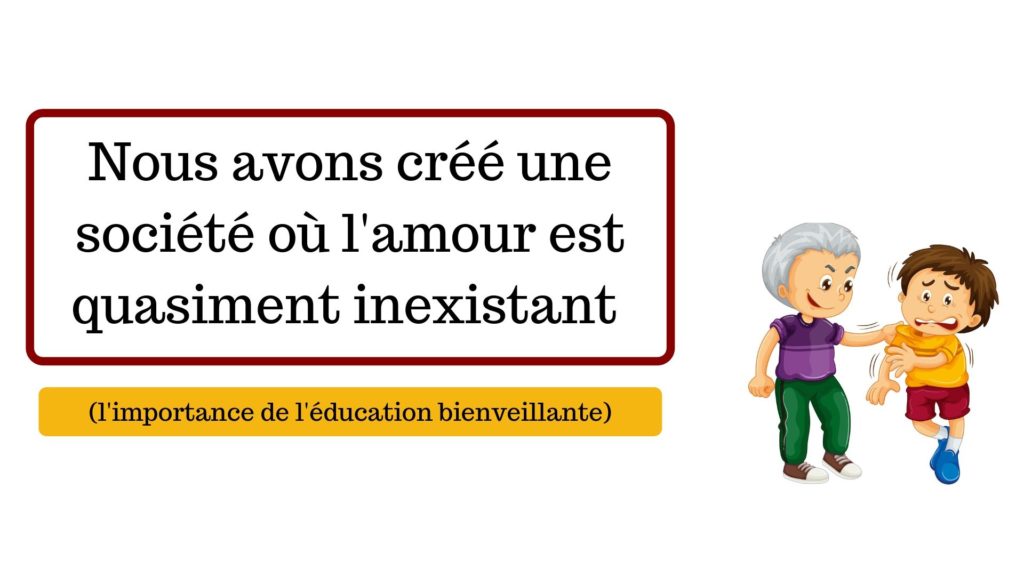
Gentle parenting begins with an uncomfortable question: what does love actually look like in our modern society? Many parents assume they were loved as children simply because that is how it must have been, yet the everyday reality of family life often tells a different story.
The demands of Western society and the needs of children, and of their parents, are frequently incompatible. Babies today are not so different from their ancestors of ten thousand years ago: they do not want to be alone at night, they fear the dark, and above all they need to know their parents are nearby and available.

Quick takeaways
- Modern schedules and parental fears push children toward early independence and control.
- Children need available parents more than multitasking adults who save time.
- Conditional love and rejection become fixed norms carried into adulthood.
- Real change starts with questioning our own habits and certainties.
- Security grows from presence, repair and honest emotional communication.
- Small daily choices matter more than perfect parenting.
The Demands of Modern Life Versus Children's Needs
To meet the requirements of so-called modern life, including work, social advancement, extracurricular activities designed to stimulate children and household chores, today's parents are expected to be multitaskers. On top of this, parental fears that a child will fall behind or fail to earn a living later lead to tight control: stress about performance, punishment for bad grades, pressure and overloaded schedules.
Children are expected not to cause too much trouble and to adapt as much as possible to their parents' lives. They must become independent as early as possible and not demand too much attention, learning early to avoid bothering adults with what they feel, their anger and their pain. Attachment specialists describe the result as a distant relational pattern, marked by fear of closeness and rejection.
One Childhood Only
Yet children live only one childhood. They do not need adults who save time by doing several things at once, such as scrolling on a phone while playing; they dream of parents who lose time with them and for them. That shift is the heart of diversity in family life today, where every household must find its own rhythm.
The Absence of Real Unconditional Love
Many children have no choice but to endure the absence of real unconditional love, along with commands, unsolicited advice, implicit expectations and reactions of rejection or even violence, whether physical or verbal. These experiences become anchored in a child's brain and, in adulthood, harden into fixed viewpoints seen as the norm.
Children marked by these adverse experiences learn at least one skill: to tolerate a world without love and to get by in it, just as many adults do. Breaking that cycle takes intention, much like the patience required when you follow a pretzel recipe step by step rather than rushing the dough. It also means questioning the harsh self-judgments that so many parents carry.
What Does Loving Mean?
Many mothers and fathers are convinced they were loved by their parents, because it must be so. Perhaps we forget that our fears provoked more anger than comfort, that we could not express fury or defend ourselves, and that we heard "what do you want now?" before being threatened. No one grows up without humiliation or disappointment, but admitting that our parents did not love us is so painful that few are ready to face it. Some even recall being thrown over the fence for arriving late.
| Situation | Common reflex | Gentle alternative |
|---|---|---|
| Child cries at night | Send them back alone | Stay close briefly, reassure |
| Bad grade | Punish or lecture | Ask what felt hard |
| Child interrupts | "Not now" | Name a time to talk soon |
| Parent loses temper | Pretend it did not happen | Apologize and repair |
| Full schedule | Add more activities | Protect empty time |
We Cannot Love Without Changing Our Habits
We cannot love without changing anything about our habits. Instead, we should ask how to do things differently, knowing that nothing will change unless we change ourselves. That means questioning our certainties about what matters in life and stepping off the well-worn paths of our cherished routines.
This is not about grand gestures but about attention. Notice when you reach for your phone during a conversation, when you answer a feeling with a correction, or when a schedule leaves no empty space. Each of these small moments is a chance to choose connection, much like choosing science toys a curious child who learns best through unhurried exploration.
Rethinking What Counts
Re-examining our priorities may also mean simplifying commitments and protecting shared time, whether that is a quiet evening or a weekend children's bicycles ride together. The goal is not perfection but a home where a child's worries are taken seriously.
Building Security Instead of Control
Security grows from predictability and presence. Children who know their parents are available, even when busy, are less likely to develop the fear of closeness described by attachment specialists. Simple routines, honest explanations and repair after conflict do more for a child than any performance target.
Practical steps help: name feelings out loud, apologize when you snap, and separate the behavior from the child. A calm conversation after a hard moment teaches more than a punishment, and it models the emotional honesty we hope to see in return. Even daily tasks can become connection points, such as preparing a meal together and talking about potatoes in children's meals while you cook. Understanding family life stages can also help parents respond to each phase with steadier support.
Protecting Attention
Attention is the currency of love. Putting the phone away during a shared activity, as explored in phone and relationship habits, is one of the most concrete ways to show a child they matter. Presence, repeated daily, becomes the security a child carries into adulthood.

From Awareness to Everyday Practice
Awareness alone does not raise a child; practice does. Start with one habit you want to change, such as responding to a feeling before correcting a behavior, and hold it for a few weeks. Notice how your child reacts and adjust gently, without turning the change into another performance standard.
Support matters too. Talking with other parents, reading about child development and seeking professional guidance when needed all make the work lighter. Many families find that shared activities, from a simple board game to a conversation about sports and children, open space for the kind of connection that schedules usually crowd out.
Small, Repeatable Choices
Love in practice looks like lost time: a slower morning, a listening ear, a repaired misunderstanding. None of it requires perfection, only the willingness to ask, again and again, how we could do this differently.

My hands-on take
I recognized myself in the description of the multitasking parent. For a long time I was proud of answering messages while building blocks on the floor, convinced I was present because I was in the same room. Then one evening my child asked me to put the phone in another room, and I realized how rarely I had truly lost time with them.
What helped me most was picking one small habit instead of overhauling everything. I started by naming feelings before correcting behavior, and by apologizing when I snapped. It felt awkward at first, and I still slip. But the repairs became shorter, the evenings calmer, and the sense that worries are taken seriously grew on both sides.
Frequently asked questions
What is gentle parenting in simple terms?
It is a style of parenting that prioritizes connection, emotional honesty and respect for the child's needs rather than control through punishment. It asks parents to examine their own habits first.
Does gentle parenting mean never setting limits?
No. Limits remain essential, but they are set calmly and explained, with the relationship protected. The difference lies in how limits are communicated and repaired after conflict.
Why do children need parents to "lose time" with them?
Unhurried presence signals that a child is worth attention, which builds security. Multitasking, by contrast, teaches children that their feelings are an interruption.
Can parents change patterns they inherited?
Yes, though it takes awareness and repetition. Questioning certainties and practicing small daily shifts gradually replaces old reflexes with more responsive ones.
Product Reviews
 Best Toys for Dogs With High Prey Drive |
Best Outdoor Toys for 3-4 Year Olds |
Best Outdoor Toys for 6 Year Olds |
Best Harness for Poodle |
Best LEGO Sets for Adults |
Best Travel Toys for 4 Year Olds on Airplane |
Best Toy Stores in Washington DC |
Best Potty Training Toys |
Best Toys for Tripod Dogs |
Maillot equipe de france







